Ready to buy? Check current prices on Amazon and compare deals before you decide.
Navigating perimenopause often brings a range of new experiences, and for many women, changes in gut health and increased bloating can be particularly noticeable. While magnesium is known for its role in numerous bodily functions, the specific impact of magnesium glycinate on gut health and perimenopausal bloating is a topic of growing interest.
This article aims to provide an evidence-based look at what is currently understood about magnesium glycinate’s potential contributions to gut well-being, particularly in the context of midlife changes. We’ll explore general principles and acknowledge the current limitations in specific research.
Understanding Perimenopausal Bloating
Bloating is a common complaint during perimenopause and menopause, often described as a feeling of fullness, tightness, or swelling in the abdomen. Hormonal fluctuations, particularly changes in estrogen and progesterone, are thought to play a role in these sensations. These hormonal shifts can influence various bodily systems, including digestive processes[1].
Beyond hormonal changes, other factors can contribute to bloating, such as dietary choices, stress, and alterations in gut motility. Many women seek ways to support their digestive comfort during this life stage, leading them to consider various supplements, including magnesium.
While bloating can be uncomfortable and disruptive, it’s important to differentiate between occasional, mild bloating and persistent, severe symptoms, which may warrant medical evaluation.
Magnesium’s General Role in Bodily Functions
Magnesium is an essential mineral involved in over 300 enzymatic reactions in the body[2]. It plays a fundamental role in muscle and nerve function, blood glucose control, and blood pressure regulation. It is also necessary for protein synthesis, bone health, and energy production.
Given its widespread involvement in physiological processes, it’s reasonable to consider how magnesium might indirectly influence gut function and overall well-being[3]. However, the specific mechanisms by which magnesium, particularly in its glycinate form, might affect gut health or perimenopausal bloating are not yet fully understood and require more focused research.
Magnesium Glycinate: A Gentle Form of Magnesium
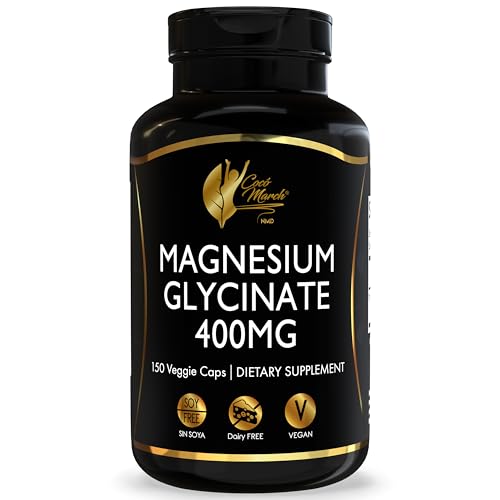
Magnesium glycinate is a chelated form of magnesium, meaning magnesium is bound to the amino acid glycine. This binding is often suggested to enhance absorption and reduce the common gastrointestinal side effects, such as diarrhea, that can be associated with other forms of magnesium, especially at higher doses[4]. The gentler nature of magnesium glycinate on the digestive system is a key reason many individuals choose this particular form.
The amino acid glycine itself also has roles in the body, including as a neurotransmitter and in protein formation[5]. While the combination of magnesium and glycine in magnesium glycinate is often highlighted for its potential benefits, direct research specifically on magnesium glycinate’s impact on gut health or perimenopausal bloating is still emerging and limited.
Magnesium Glycinate and Gut Health: What We Know (and Don’t Know)
When considering magnesium glycinate for gut health, it’s important to distinguish between general magnesium effects and specific findings related to this particular form. Magnesium in general is known to have a laxative effect at higher doses due to its osmotic properties, drawing water into the intestines. This effect is often associated with forms like magnesium citrate or magnesium oxide[6].
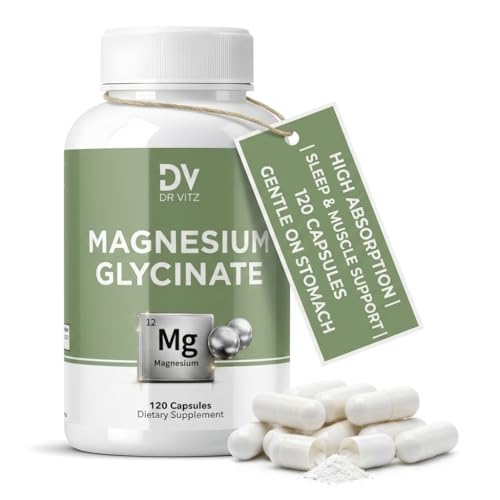
Magnesium glycinate, however, is typically chosen for its higher bioavailability and reduced likelihood of causing digestive upset[7]. While some individuals report anecdotal benefits for digestive comfort with magnesium glycinate, direct scientific studies investigating its specific impact on the gut microbiome, intestinal permeability, or the physiological mechanisms behind perimenopausal bloating are currently limited. Therefore, any potential benefits related to gut health or bloating are largely theoretical or based on broader understanding of magnesium’s general roles.
It’s important to approach claims about magnesium glycinate’s specific gut health benefits with a balanced perspective, acknowledging that robust, targeted research in this area is still needed. While it may support general well-being, direct evidence linking it to improvements in the gut microbiome or specific alleviation of perimenopausal bloating is not yet established.
Considerations for Perimenopausal Bloating
For women experiencing perimenopausal bloating, a multi-faceted approach is often most effective. This may include dietary adjustments, such as reducing intake of highly processed foods, sugary drinks, and certain gas-producing foods. Staying hydrated and incorporating regular physical activity can also support digestive regularity and comfort.
Managing stress is another important factor, as stress can significantly impact gut function. While magnesium glycinate is sometimes considered for its potential to support relaxation, its direct impact on bloating specifically through stress reduction is not a primary, established mechanism.
When considering any supplement, including magnesium glycinate, as part of a strategy for managing perimenopausal symptoms like bloating, it’s advisable to discuss it with a healthcare provider. They can help evaluate individual needs and ensure that any chosen approach is appropriate and safe.

References
- Perimenopause: From Research to Practice. Journal of women’s health (2002), 2016
- Magnesium in Prevention and Therapy. Nutrients, 2015
- Magnesium in the gynecological practice: a literature review. Magnesium research, 2017
- Bioavailability of magnesium food supplements: A systematic review. Nutrition (Burbank, Los Angeles County, Calif.), 2021
- Glycine–an important neurotransmitter and cytoprotective agent. Acta anaesthesiologica Scandinavica, 2005
- Magnesium Oxide in Constipation. Nutrients, 2021
- Dose-Dependent Absorption Profile of Different Magnesium Compounds. Biological trace element research, 2019
These statements have not been evaluated by the Food and Drug Administration. This information is not intended to diagnose, treat, cure, or prevent any disease. Content is for informational purposes only and is not medical advice; consult a qualified healthcare provider before starting any supplement. As an Amazon Associate we earn from qualifying purchases.
