Magnesium glycinate is often discussed for its gentle absorption and potential suitability for various needs, particularly for women navigating midlife and menopause. However, magnesium is available in many forms, each with unique characteristics and potential areas of focus.
Understanding these different forms can help you make informed choices, in discussion with your healthcare provider, about magnesium supplementation beyond magnesium glycinate forms.
Magnesium Glycinate: A Gentle Starting Point
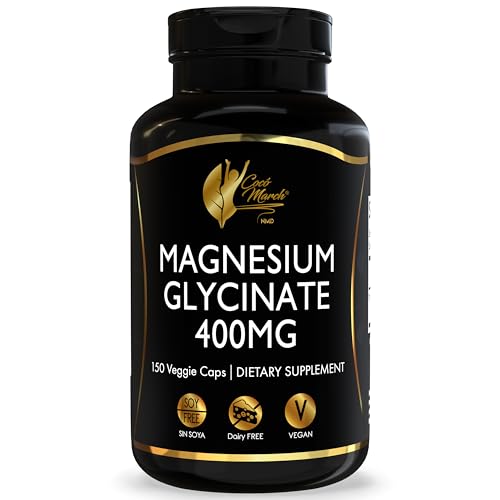
Magnesium glycinate is a chelated form, meaning magnesium is bound to glycine, an amino acid. This binding is thought to enhance absorption and may contribute to its reputation for being less likely to cause digestive upset compared to some other forms.
For many women in midlife, supporting sleep, muscle relaxation, and overall well-being are common goals. Magnesium glycinate is often chosen for these purposes due to its generally well-tolerated nature. While it’s a popular choice, it’s helpful to be aware that other forms exist and may offer different considerations.
Magnesium L-Threonate: A Focus on Cognitive Well-being
Magnesium L-threonate is a newer form of magnesium that has garnered attention for its potential to support cognitive functions. Research suggests it may have unique properties that allow it to cross the blood-brain barrier more readily than some other forms of magnesium.
A randomized controlled trial indicated that magnesium-L-threonate improved sleep quality and daytime functioning in adults reporting sleep problems [1]. Another study involving healthy Chinese adults suggested that a magnesium L-threonate-based formula improved brain cognitive functions [2]. An open-label pilot study also explored L-threonic acid magnesium salt supplementation in individuals with ADHD [3]. While these findings are promising, it’s important to note that much of the research is still emerging, and more extensive studies are needed to fully understand its effects in diverse populations.

Magnesium Acetyl Taurate: An Emerging Area of Interest
Magnesium acetyl taurate is another form of magnesium that is being explored for its potential neurophysiological benefits. While research is still in preclinical stages, one comparative study suggested enhanced neurophysiological benefits of magnesium-acetyl-taurate over magnesium-L-threonate in terms of bioavailability, synaptic plasticity, and cognitive functions [4].
This form combines magnesium with N-acetyl taurine, which is a derivative of the amino acid taurine. The combination is hypothesized to offer distinct advantages, but it is important to emphasize that this research is preliminary and has not yet been replicated in human studies. It represents an area of ongoing investigation rather than a widely established option at this time.
Other Common Magnesium Forms and Their Considerations
Beyond glycinate, L-threonate, and acetyl taurate, several other magnesium forms are commonly available, each with different absorption rates and potential effects:
• Magnesium Citrate: Often used for bowel regularity due to its mild laxative effect. It is generally well-absorbed but may not be ideal for those sensitive to digestive upset.

• Magnesium Oxide: Contains a high percentage of elemental magnesium but is generally poorly absorbed by the body. It is frequently found in antacids and laxatives.
• Magnesium Malate: Magnesium bound to malic acid, which is involved in energy production. Some suggest it may be beneficial for muscle discomfort, but robust human studies are limited.

• Magnesium Orotate: Magnesium bound to orotic acid. This form is sometimes discussed in relation to cardiovascular health, though evidence is not conclusive.
• Magnesium Sulfate (Epsom Salts): Primarily used externally in bath salts for muscle relaxation. Oral absorption is generally not significant.
Choosing the Right Form for You
The ‘best’ magnesium form depends on individual needs and goals. For general support and minimal digestive issues, magnesium glycinate remains a popular and well-tolerated choice for many women in midlife and menopause.
If you are specifically interested in supporting cognitive functions, magnesium L-threonate might be a form to discuss with your healthcare provider, given the emerging research [1][2]. For other specific concerns, or if you experience side effects from one form, exploring alternatives with professional guidance is a sensible approach.
It’s important to remember that individual responses to supplements can vary, and what works well for one person may not be suitable for another. Always consider your overall health picture and consult a healthcare professional.


References
- Magnesium-L-threonate improves sleep quality and daytime functioning in adults with self-reported sleep problems: A randomized controlled trial. Sleep medicine: X, 2024
- A Magtein(®), Magnesium L-Threonate, -Based Formula Improves Brain Cognitive Functions in Healthy Chinese Adults. Nutrients, 2022
- L-Threonic Acid Magnesium Salt Supplementation in ADHD: An Open-Label Pilot Study. Journal of dietary supplements, 2021
- Enhanced Neurophysiological Benefits of Magnesium-Acetyl-Taurate Over Magnesium-L-Threonate: A Comparative pre-clinical Study on Bioavailability, Synaptic Plasticity and Cognitive Functions. Neuromolecular medicine, 2026
These statements have not been evaluated by the Food and Drug Administration. This information is not intended to diagnose, treat, cure, or prevent any disease. Content is for informational purposes only and is not medical advice; consult a qualified healthcare provider before starting any supplement. As an Amazon Associate we earn from qualifying purchases.
