Navigating midlife and menopause often involves exploring various approaches to support well-being. For some women, Hormone Replacement Therapy (HRT) may be a consideration. Alongside, many individuals also look to dietary supplements, such as magnesium glycinate, to complement their health strategies.
This article aims to provide an evidence-based overview of combining magnesium glycinate with HRT. It’s important to note that while both have individual applications, specific research on their combined use in midlife women is currently limited.
Understanding Magnesium Glycinate
Magnesium is an essential mineral involved in numerous bodily functions, including muscle and nerve function, blood glucose control, and blood pressure regulation. It also plays a role in energy metabolism and protein synthesis.
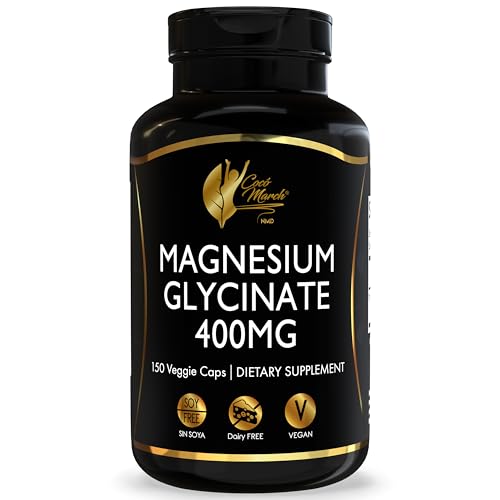
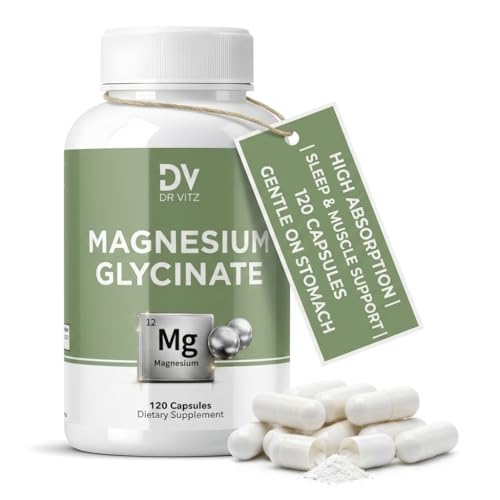
Magnesium glycinate is a form of magnesium where magnesium is bound to the amino acid glycine. This chelated form is often chosen for its potential bioavailability and gentle effect on the digestive system compared to some other magnesium forms. While general magnesium research is extensive, specific studies on magnesium glycinate in combination with HRT are still emerging.


Exploring Hormone Replacement Therapy (HRT)
HRT involves taking hormones, typically estrogen and sometimes progesterone, to help manage symptoms associated with menopause. These symptoms can include hot flashes, night sweats, vaginal dryness, and mood changes. HRT aims to replenish hormone levels that decline during the menopausal transition.
The decision to use HRT is a personal one, made in consultation with a healthcare provider, considering individual health history and potential benefits versus risks. HRT is a well-established medical therapy for menopausal symptom management.
Magnesium’s Role in Hormonal Balance and Overall Health
Magnesium plays a broad role in overall physiological function that could indirectly support health during periods of hormonal change. For instance, magnesium is involved in various metabolic processes. Some research suggests the importance of nutritional factors, including certain minerals, in managing conditions like Hashimoto’s thyroiditis, which involves hormonal aspects [1]. Another study highlights the role of thyroid hormones and minerals in immunocorrection related to autoimmune thyroid diseases [2]. While these studies don’t directly address HRT, they underscore magnesium’s general involvement in systems that can be influenced by hormones.
Furthermore, magnesium’s involvement in neurological function is recognized. For example, magnesium sulfate has been studied in contexts such as pre-eclampsia, where it may impact maternal serum electrolytes and parathyroid hormone [3]. While this is a specific medical application, it illustrates magnesium’s impact on complex physiological systems. The general supportive role of magnesium across various bodily functions may be relevant for women navigating midlife, regardless of HRT use.

Potential Interactions and Synergies: What the Evidence Suggests
Direct research specifically investigating the combined use of magnesium glycinate with HRT in midlife women is currently limited. However, we can consider potential areas where their effects might overlap or complement each other based on broader scientific understanding.
One area of future exploration might involve how magnesium could support general well-being alongside hormonal therapies. For example, a study discussing a magnesium platform for multi-modality therapy mentions combining hormonotherapy and immunotherapy in prostate cancer [4]. While this research is in a different context (prostate cancer, not menopause) and refers to a novel magnesium-based platform rather than dietary magnesium glycinate, it conceptually points to a future where magnesium-related approaches might be considered alongside hormonal interventions. This is an early and distinct area of research, not directly applicable to dietary magnesium glycinate and menopausal HRT.
Magnesium is also recognized for its role in supporting nerve and muscle function, and in some contexts, it has been explored for its potential in multimodal analgesia [5] or in multifunctional drugs for head injury [6]. These broad physiological roles suggest that magnesium glycinate may generally support the body’s systems, which could be beneficial for overall well-being during midlife, whether or not HRT is being used. However, it’s crucial to reiterate that these are general observations about magnesium and not specific findings on its synergy with menopausal HRT.
What We Don’t Know Yet
While individual benefits of magnesium and HRT are recognized, specific studies on the direct interactions or enhanced outcomes from combining magnesium glycinate with HRT for menopausal symptoms are scarce. We lack robust evidence detailing whether magnesium glycinate alters the efficacy or side effects of HRT, or if HRT impacts magnesium absorption or utilization in a significant way. Further research is needed to understand any specific synergistic or antagonistic effects.
Therefore, any discussion of ‘combining therapies’ in this context is largely based on the individual known actions of magnesium and HRT, rather than established evidence of their combined effect in midlife women. It is important to approach this topic with an understanding of the current limitations in scientific literature.
References
- The importance of nutritional factors and dietary management of Hashimoto’s thyroiditis. Annals of agricultural and environmental medicine : AAEM, 2020
- Thyroid hormones and minerals in immunocorrection of disorders in autoimmune thyroid diseases. Frontiers in endocrinology, 2023
- The effect of magnesium sulfate on maternal serum electrolytes and parathyroid hormone in pre-eclampsia. International journal of gynaecology and obstetrics: the official organ of the International Federation of Gynaecology and Obstetrics, 2022
- Magnesium Structure-Function Integration Platform for Spatiotemporal Multi-Modality Therapy: Combining Hormonotherapy and Immunotherapy in Prostate Cancer. Advanced science (Weinheim, Baden-Wurttemberg, Germany), 2026
- Clinical application of perioperative multimodal analgesia. Current opinion in supportive and palliative care, 2017
- Multifunctional drugs for head injury. Neurotherapeutics : the journal of the American Society for Experimental NeuroTherapeutics, 2009
These statements have not been evaluated by the Food and Drug Administration. This information is not intended to diagnose, treat, cure, or prevent any disease. Content is for informational purposes only and is not medical advice; consult a qualified healthcare provider before starting any supplement. As an Amazon Associate we earn from qualifying purchases.
