Ready to buy? Check current prices on Amazon and compare deals before you decide.
Restless Legs Syndrome (RLS) can be a challenging experience, often characterized by uncomfortable sensations in the legs and an irresistible urge to move them. These symptoms frequently worsen in the evenings or at night, potentially disrupting sleep and daily comfort.
For women navigating perimenopause and menopause, RLS symptoms may emerge or intensify, adding another layer to the physiological changes occurring. This article explores the current understanding of magnesium glycinate and its potential relevance for those experiencing RLS during this life stage.
Understanding Restless Legs Syndrome (RLS) in Midlife
Restless Legs Syndrome is a neurological condition that can significantly impact quality of life. The sensations are often described as creeping, crawling, tingling, or aching, and are typically relieved by movement[1]. While RLS can affect anyone, its prevalence appears to increase with age, and hormonal fluctuations during perimenopause and menopause may influence its presentation.
The exact causes of RLS are not fully understood, but factors such as iron deficiency, genetics, and certain medical conditions or medications are thought to play a role[2]. For many women in midlife, changes in hormone levels, particularly estrogen, are being investigated for their potential connection to RLS symptom modulation.
What is Magnesium Glycinate?
Magnesium is an essential mineral involved in hundreds of bodily processes, including nerve function, muscle contraction, and sleep regulation[3]. It is naturally found in various foods like leafy green vegetables, nuts, seeds, and whole grains.
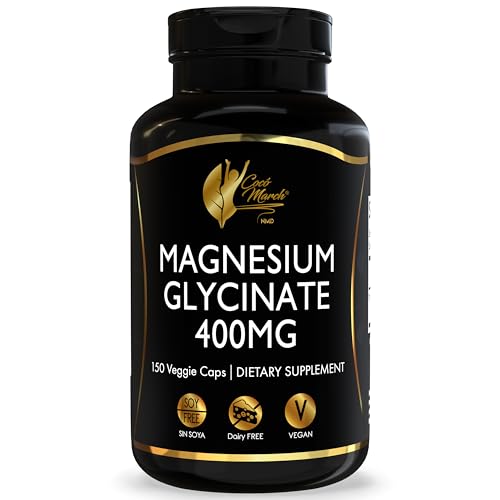
Magnesium glycinate is a form of magnesium where magnesium is bound to glycine, an amino acid. This chelated form is often chosen because it is generally considered well-absorbed and less likely to cause digestive upset compared to some other forms of magnesium[4].

Magnesium and Restless Legs Syndrome: What the Evidence Suggests
While there is interest in magnesium’s potential role in supporting individuals with RLS, research specifically on magnesium glycinate for RLS during perimenopause is still developing. General research on magnesium and RLS has explored various forms of magnesium, and the findings have been varied.
Some anecdotal reports and smaller observations suggest that magnesium supplementation might offer some comfort for RLS symptoms, particularly those related to muscle cramps or sleep disturbances. However, comprehensive, large-scale clinical trials specifically examining magnesium glycinate’s effectiveness for RLS, especially in the perimenopausal population, are not readily available[5].
It’s important to approach this topic with a balanced perspective, acknowledging that while magnesium is vital for many bodily functions that could indirectly influence RLS symptoms, direct, strong evidence for its consistent efficacy in managing RLS, especially during perimenopause, is moderate at best[6]. Much of the current understanding relies on general magnesium research or preliminary findings[7].


Why Magnesium Glycinate Might Be Considered
Even without definitive studies on magnesium glycinate for perimenopausal RLS, some individuals choose to explore it due to its generally good tolerability and magnesium’s broader roles in the body. Magnesium’s involvement in muscle relaxation and nerve signal transmission could theoretically contribute to a sense of calm, which some find helpful for RLS.
Additionally, glycine, the amino acid component of magnesium glycinate, is known for its calming properties and its role as an inhibitory neurotransmitter[8]. This dual action of magnesium and glycine might be seen as a gentle approach for those seeking support for RLS symptoms that are often exacerbated by tension or difficulty relaxing.
Considerations for Women in Perimenopause
Perimenopause is a time of significant hormonal flux, which can influence various bodily systems. While magnesium is crucial throughout life, ensuring adequate intake during this phase can be particularly relevant for overall well-being. Sleep disturbances are common during perimenopause, and RLS can significantly contribute to these challenges[9].
Exploring magnesium glycinate might be part of a broader strategy to support overall health and sleep quality during perimenopause. However, it’s essential to consider it as one potential supportive measure rather than a standalone solution for RLS, and to discuss any new supplements with a healthcare provider.

References
- Restless legs syndrome. Nature reviews. Disease primers, 2021
- Restless Legs Syndrome: Contemporary Diagnosis and Treatment. Neurotherapeutics : the journal of the American Society for Experimental NeuroTherapeutics, 2021
- Magnesium in Prevention and Therapy. Nutrients, 2015
- Bioavailability of magnesium food supplements: A systematic review. Nutrition (Burbank, Los Angeles County, Calif.), 2021
- Magnesium supplementation for the treatment of restless legs syndrome and periodic limb movement disorder: A systematic review. Sleep medicine reviews, 2019
- Treatment of restless legs syndrome and periodic limb movement disorder: an American Academy of Sleep Medicine clinical practice guideline. Journal of clinical sleep medicine : JCSM : official publication of the American Academy of Sleep Medicine, 2025
- Therapeutic effects of magnesium and vitamin B6 in alleviating the symptoms of restless legs syndrome: a randomized controlled clinical trial. BMC complementary medicine and therapies, 2022
- Glycine–an important neurotransmitter and cytoprotective agent. Acta anaesthesiologica Scandinavica, 2005
- Sleep Disturbance and Perimenopause: A Narrative Review. Journal of clinical medicine, 2025
These statements have not been evaluated by the Food and Drug Administration. This information is not intended to diagnose, treat, cure, or prevent any disease. Content is for informational purposes only and is not medical advice; consult a qualified healthcare provider before starting any supplement. As an Amazon Associate we earn from qualifying purchases.
