Navigating midlife and menopause brings various physiological changes for women, and maintaining cardiovascular health often becomes a key focus. Blood pressure is a vital indicator of heart health, and many women seek ways to support healthy levels as they age.
Dietary choices and lifestyle practices are fundamental to blood pressure management. Among the various nutrients that contribute to overall well-being, magnesium has drawn attention for its potential influence on cardiovascular function. This article explores the role of magnesium, particularly magnesium glycinate, in supporting healthy blood pressure for women in midlife.
Understanding Blood Pressure in Midlife Women
As women transition through perimenopause and into menopause, hormonal shifts can impact various bodily systems, including the cardiovascular system. Maintaining healthy blood pressure is an important aspect of long-term health. Regular monitoring and a holistic approach to wellness are often recommended.
Lifestyle factors such as diet, physical activity, stress management, and adequate sleep all contribute to blood pressure regulation. For many, integrating specific nutrients into their diet or through supplementation is part of a comprehensive strategy to support overall cardiovascular well-being.
Magnesium’s Role in Cardiovascular Health
Magnesium is an essential mineral involved in hundreds of bodily processes, including muscle and nerve function, blood glucose control, and blood pressure regulation. It contributes to the structural development of bone and is required for the synthesis of DNA, RNA, and the antioxidant glutathione.
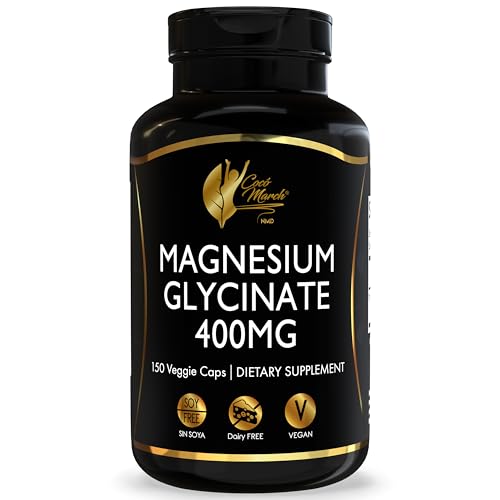
Within the cardiovascular system, magnesium plays a role in maintaining the normal rhythm of the heart and influencing vascular tone. Several health organizations acknowledge magnesium’s connection to blood pressure. A position document from the European Society of Hypertension recognized nutraceuticals, including magnesium, as potentially contributing to blood pressure control [1].
Why Magnesium Glycinate?
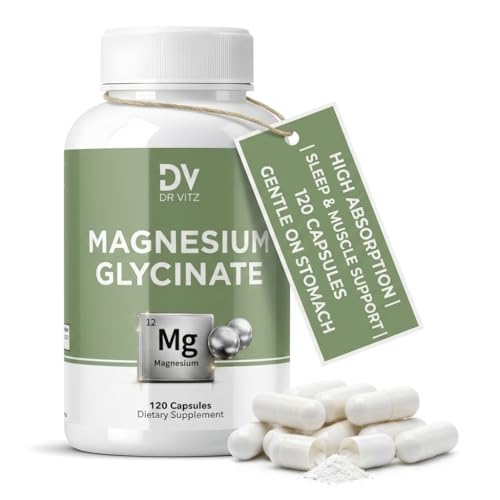
Magnesium supplements come in various forms, each with different absorption characteristics. Magnesium glycinate is a form where magnesium is bound to glycine, an amino acid. This chelated form is often favored for its potential bioavailability and gentle effect on the digestive system compared to some other magnesium compounds.
The gentle nature of magnesium glycinate can be particularly appealing for individuals who experience digestive discomfort with other magnesium supplements. While the core benefit of magnesium relates to the magnesium itself, the form can influence how well it is tolerated and absorbed by the body.
Magnesium Supplementation and Blood Pressure
Research has explored the relationship between magnesium intake and blood pressure levels. The European Society of Hypertension has included magnesium among nutraceuticals that may play a role in blood pressure management [1]. This suggests that for some individuals, ensuring adequate magnesium intake could be a supportive measure.

For women in midlife and menopause, nutrient status can be particularly important. A study involving perimenopausal women noted the relevance of serum mineral status in relation to climacteric symptoms [2]. While this study did not specifically focus on blood pressure, it highlights the broader importance of mineral balance during this life stage.
Integrating Magnesium Glycinate into a Wellness Routine
For women considering magnesium glycinate to support overall well-being, it’s typically seen as one component of a broader healthy lifestyle. This includes a balanced diet rich in fruits, vegetables, and whole grains, regular physical activity, stress-reduction techniques, and sufficient sleep.
Dietary sources of magnesium include leafy green vegetables, nuts, seeds, legumes, whole grains, and dark chocolate. When dietary intake is insufficient, or when specific needs arise, a magnesium glycinate supplement may be considered as a way to help meet daily magnesium requirements.


References
- Nutraceuticals and blood pressure control: a European Society of Hypertension position document. Journal of hypertension, 2020
- Serum mineral status and climacteric symptoms in perimenopausal women before and after Yoga therapy, an ongoing study. Journal of mid-life health, 2013
These statements have not been evaluated by the Food and Drug Administration. This information is not intended to diagnose, treat, cure, or prevent any disease. Content is for informational purposes only and is not medical advice; consult a qualified healthcare provider before starting any supplement. As an Amazon Associate we earn from qualifying purchases.
