Navigating midlife and perimenopause can bring about a range of changes, and for many women, this includes shifts in emotional well-being. Maintaining a balanced mood is often a priority during this transitional phase.
Magnesium is an essential mineral involved in numerous bodily functions. Among its various forms, magnesium glycinate is often discussed for its potential role in supporting relaxation and emotional balance. This article explores the current understanding of how magnesium, particularly in its glycinate form, might contribute to mood support during midlife and perimenopause.
Understanding Magnesium’s Role in the Body
Magnesium is a vital mineral that participates in over 300 enzymatic reactions throughout the body. These reactions are crucial for energy production, muscle and nerve function, blood glucose control, and blood pressure regulation. It also contributes to the structural development of bone and is required for the synthesis of DNA, RNA, and the antioxidant glutathione.
Beyond these fundamental roles, magnesium is also thought to play a part in neurological function and stress response. Its widespread involvement in physiological processes suggests that adequate magnesium levels are important for overall health, including aspects related to emotional well-being.
Magnesium Glycinate: A Gentle Option
Magnesium comes in various forms, each with unique characteristics regarding absorption and potential effects. Magnesium glycinate is a chelated form, meaning magnesium is bound to the amino acid glycine. This binding is thought to enhance its absorption and bioavailability compared to some other forms.
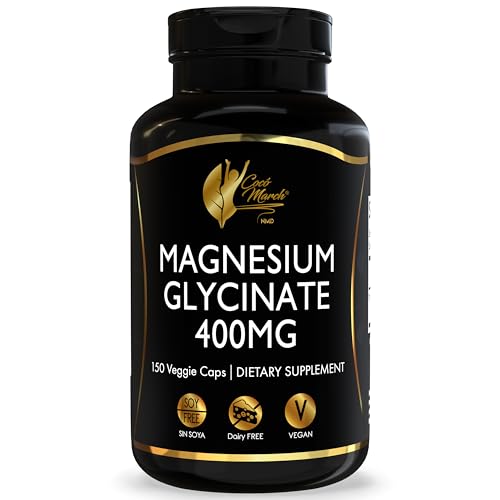
The presence of glycine may also offer additional benefits. Glycine is an amino acid that functions as a neurotransmitter in the brain and has been studied for its potential calming properties. This combination in magnesium glycinate is often considered for individuals seeking support for relaxation and emotional balance, particularly those who may experience digestive sensitivities with other magnesium forms.

Magnesium for Mood During Perimenopause: What the Evidence Suggests
The perimenopausal period is characterized by hormonal fluctuations that can influence mood and emotional stability. Research has explored the connection between mineral status, including magnesium, and climacteric symptoms experienced by women during this time.
A systematic review from 2010 noted that magnesium has been studied for its potential in supporting anxiety and anxiety-related disorders [1]. Another study in 2013, focusing on perimenopausal women, observed serum mineral status in relation to climacteric symptoms, indicating an ongoing area of research [2]. While this study did not specifically focus on magnesium glycinate or mood outcomes, it highlights the general interest in mineral status during perimenopause. More recent research, though in animal models, has also investigated elemental regulation in the context of perimenopausal mood changes [3].
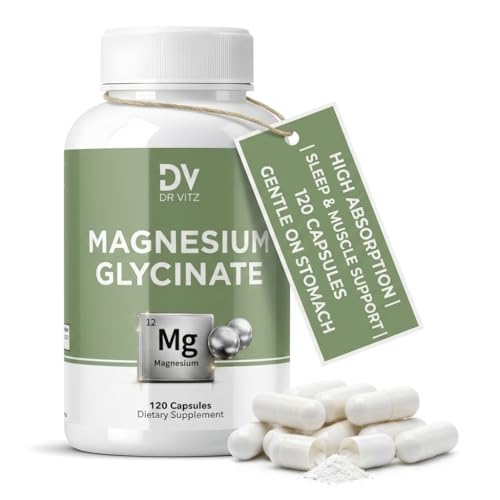
It’s important to note that while some research indicates a potential connection between magnesium and emotional well-being, the specific evidence for magnesium glycinate’s direct impact on mood during human perimenopause is still developing. The existing studies often look at magnesium generally or are from animal models, and human-specific research on magnesium glycinate for perimenopausal mood support is needed to draw more definitive conclusions.
Supporting Emotional Well-being in Midlife
Beyond specific supplements, a holistic approach to emotional well-being during midlife and perimenopause involves several lifestyle factors. Regular physical activity, a balanced diet rich in whole foods, adequate sleep, and stress management techniques can all contribute significantly to maintaining a stable mood.
For some women, exploring nutritional support, such as magnesium glycinate, may be part of a broader strategy to support emotional balance. The gentle nature and potential for good absorption of magnesium glycinate make it a considered option for those looking to supplement their magnesium intake. However, individual responses to supplements can vary.


References
- Nutritional and herbal supplements for anxiety and anxiety-related disorders: systematic review. Nutrition journal, 2010
- Serum mineral status and climacteric symptoms in perimenopausal women before and after Yoga therapy, an ongoing study. Journal of mid-life health, 2013
- Quercetin Alleviates Perimenopausal Depression Induced by Ovariectomy Combined with Chronic Unpredictable Mild Stress Through Regulating Serum Elements and Inhibiting Ferroptosis in Prefrontal Cortex of Rats. Biological trace element research, 2024
These statements have not been evaluated by the Food and Drug Administration. This information is not intended to diagnose, treat, cure, or prevent any disease. Content is for informational purposes only and is not medical advice; consult a qualified healthcare provider before starting any supplement. As an Amazon Associate we earn from qualifying purchases.
