Magnesium is an essential mineral involved in numerous bodily processes. As women navigate midlife and menopause, maintaining adequate magnesium levels can be a particular focus. Understanding how magnesium is absorbed and utilized by the body is key to making informed choices about supplementation.
Among the various forms of magnesium available, magnesium glycinate is often discussed due to its absorption profile. This article will explore the mechanisms behind magnesium glycinate absorption and bioavailability, offering insights into how the body processes this compound.
What is Bioavailability and Absorption?
Before delving into magnesium glycinate specifically, it’s helpful to understand the terms ‘absorption’ and ‘bioavailability.’ Absorption refers to the process by which magnesium moves from the digestive tract into the bloodstream. Bioavailability, on the other hand, describes the proportion of the absorbed magnesium that then becomes available for use by the body’s cells and tissues [1].
The effectiveness of any magnesium supplement depends significantly on both its absorption from the gut and its subsequent bioavailability. Factors like the chemical form of magnesium, individual digestive health, and the presence of other substances can influence these processes.
Magnesium Absorption in the Digestive System
Magnesium absorption primarily occurs in the small intestine, with some also taking place in the large intestine [2]. There are two main pathways for magnesium transport across the intestinal wall: a paracellular pathway and a transcellular pathway. The paracellular pathway involves magnesium moving between cells, while the transcellular pathway involves magnesium moving through cells, often with the help of specific transport proteins [2].
The efficiency of magnesium absorption can vary. For example, higher doses of magnesium may lead to a lower percentage of absorption compared to smaller doses, suggesting a dose-dependent absorption profile [3]. This means that the body might absorb a smaller proportion of a very large dose compared to a moderate dose, even if the total amount absorbed is higher.
Why Magnesium Glycinate May Be Noted for Absorption
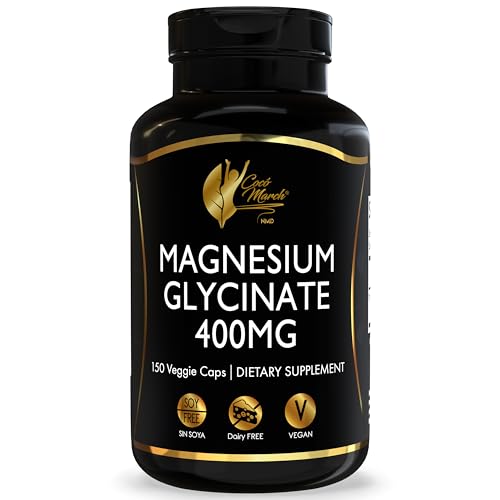
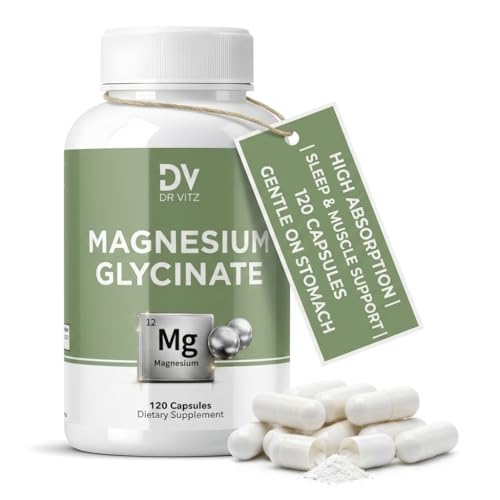
Magnesium glycinate is a chelated form of magnesium, meaning magnesium is bound to glycine, an amino acid. This chelation is thought to influence how the mineral is handled in the digestive system. When magnesium is bound to an amino acid like glycine, it may be absorbed via pathways typically used for amino acids, which can be less competitive than the pathways for unbound mineral ions [4].
Research has indicated differences in bioavailability between various magnesium compounds. For instance, studies have suggested that magnesium diglycinate (a similar chelate to glycinate) may have better bioavailability compared to forms like magnesium oxide in certain populations [4]. This is often attributed to the chelated structure protecting the magnesium from interacting with other compounds in the gut that could hinder its absorption.

Factors Influencing Magnesium Glycinate Absorption
Several factors can influence the absorption of magnesium, including magnesium glycinate. Dietary components can play a role; for example, vitamin D is known to influence magnesium absorption [5]. Conversely, high levels of calcium and phosphate can potentially affect magnesium uptake [5]. This highlights the complex interplay of nutrients within the body.
Individual digestive health is also a significant factor. Conditions affecting the small intestine, such as those leading to short bowel syndrome, can impair nutrient absorption, including magnesium [6]. Additionally, certain medications, such as proton pump inhibitors, have been associated with reduced magnesium absorption over time [7].
Maximizing Potential Benefits of Magnesium Glycinate
To support optimal magnesium levels, considering how magnesium glycinate is absorbed can be helpful. Choosing a chelated form like magnesium glycinate is one approach, given its noted absorption profile [4]. While magnesium glycinate is generally well-tolerated, individual responses can vary.
It’s also important to consider the overall diet and lifestyle. A balanced diet rich in magnesium-containing foods, alongside mindful supplement use, contributes to overall well-being. Regular physical activity and managing stress can also support the body’s general health, which in turn can influence nutrient utilization.


References
- Magnesium biology. Nephrology, dialysis, transplantation : official publication of the European Dialysis and Transplant Association – European Renal Association, 2024
- Intestinal magnesium absorption. Mineral and electrolyte metabolism, 1993
- Dose-Dependent Absorption Profile of Different Magnesium Compounds. Biological trace element research, 2019
- Bioavailability of magnesium diglycinate vs magnesium oxide in patients with ileal resection. JPEN. Journal of parenteral and enteral nutrition, 1994
- Magnesium absorption: mechanisms and the influence of vitamin D, calcium and phosphate. The Journal of nutrition, 1991
- Definitions of intestinal failure and the short bowel syndrome. Best practice & research. Clinical gastroenterology, 2016
- Mechanisms of proton pump inhibitor-induced hypomagnesemia. Acta physiologica (Oxford, England), 2022
These statements have not been evaluated by the Food and Drug Administration. This information is not intended to diagnose, treat, cure, or prevent any disease. Content is for informational purposes only and is not medical advice; consult a qualified healthcare provider before starting any supplement. As an Amazon Associate we earn from qualifying purchases.
