Staying active is a valuable part of a healthy lifestyle, especially for women navigating midlife and menopause. Regular exercise can offer numerous benefits, from supporting bone density to maintaining energy levels. After physical activity, the body undergoes a recovery process, and various nutrients play roles in this.
Magnesium is an essential mineral involved in over 300 biochemical reactions in the body, including those related to muscle function and energy metabolism. For individuals with active lifestyles, particularly as they age, understanding how magnesium, specifically in the glycinate form, might fit into their recovery strategy can be useful.
Magnesium’s Role in Active Bodies
Magnesium is a mineral important for many bodily processes, including muscle contraction and relaxation, nerve function, and energy production. During physical activity, the body’s demand for certain nutrients can increase. Some research suggests that magnesium may have a role in exercise performance and recovery [1].
For active individuals, maintaining adequate magnesium levels is important. Studies have observed that some athletes, such as adventure racers, may have magnesium intakes below recommended levels [2]. While this specific finding relates to a highly demanding athletic population, it highlights the potential for magnesium status to be a consideration for anyone with a regular exercise routine.
Understanding Magnesium Glycinate
Magnesium glycinate is a form of magnesium where magnesium is bound to the amino acid glycine. This chelated form is often chosen for its perceived gentle effect on the digestive system compared to some other magnesium compounds. The ‘glycinate’ refers to the glycine component, which is an amino acid.
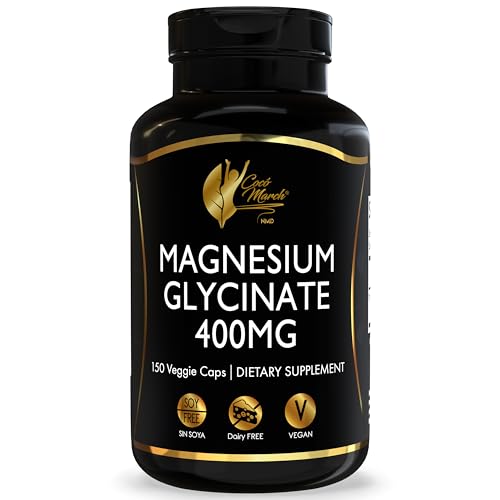
When considering magnesium for exercise support, the form matters. Magnesium glycinate is typically well-tolerated, which can be a factor for individuals looking to incorporate magnesium into their daily routine without digestive discomfort.
Magnesium and Exercise Performance: What the Research Suggests
The relationship between magnesium supplementation and exercise performance has been explored in various studies. Some research indicates that magnesium supplementation may not significantly enhance exercise performance in all contexts. For example, a 2025 study found that short-term magnesium supplementation had modest detrimental effects on cycle ergometer exercise performance and negligible effects on the gut microbiota [3]. This suggests that the impact can be complex and may vary depending on the type of exercise and the individual’s baseline magnesium status.
Other reviews have noted that magnesium’s potential to enhance exercise performance might be more pronounced in individuals who are magnesium deficient [1]. However, for those with adequate magnesium levels, the benefits might be less clear. Another study involving a multi-ingredient preworkout supplement that included magnesium did not find a significant effect on repeated sprint performance in recreationally active men and women [4]. This indicates that magnesium’s role in performance may be intertwined with other factors and ingredients.

Supporting Muscle Function and Recovery
While direct evidence specifically linking magnesium glycinate to enhanced exercise recovery in midlife women is still developing, the general understanding of magnesium’s role in muscle function provides context. Magnesium is involved in muscle relaxation and energy production within muscle cells. This foundational role suggests its importance in the overall physiological processes that contribute to recovery.
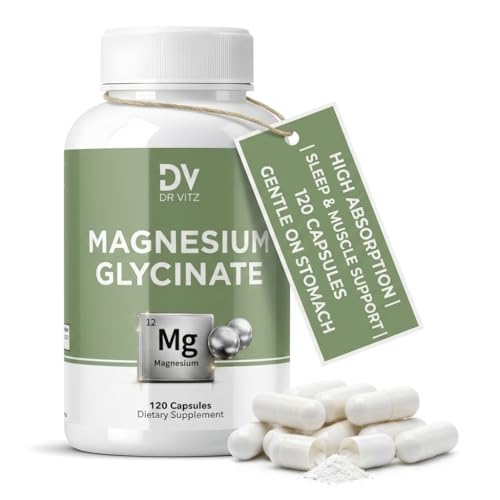
When muscles contract, calcium is typically involved, and magnesium helps to balance this by facilitating muscle relaxation. After exercise, muscles undergo repair and recovery processes. Maintaining adequate magnesium levels could therefore be seen as supportive of general muscle health, which is a component of recovery. Some research has explored the effects of magnesium supplementation on exercise performance, with one study from 2001 suggesting that magnesium supplementation might improve exercise performance in magnesium-deficient individuals [5].

Magnesium Status in Active Individuals
It’s worth noting that active individuals, including athletes, may sometimes have lower magnesium levels. A study evaluating supplement use in sport climbers found that magnesium was among the commonly used supplements, though the study did not directly assess magnesium status or its impact on recovery [6]. This highlights a perceived need or interest in magnesium among those who engage in regular physical activity.
For women in midlife, who may be experiencing hormonal shifts, maintaining optimal nutrient status is particularly relevant. While specific research on magnesium glycinate for exercise recovery in this demographic is not extensively available in the provided evidence, considering magnesium’s broad physiological roles may offer a rationale for its inclusion in a balanced approach to supporting an active lifestyle.

References
- Can Magnesium Enhance Exercise Performance?. Nutrients, 2017
- Nutritional status of adventure racers. Nutrition (Burbank, Los Angeles County, Calif.), 2007
- Short-Term Magnesium Supplementation Has Modest Detrimental Effects on Cycle Ergometer Exercise Performance and Skeletal Muscle Mitochondria and Negligible Effects on the Gut Microbiota: A Randomized Crossover Clinical Trial. Nutrients, 2025
- Effect of Multi-Ingredient Preworkout Supplementation on Repeated Sprint Performance in Recreationally Active Men and Women. Journal of strength and conditioning research, 2020
- The effects of magnesium supplementation on exercise performance. Medicine and science in sports and exercise, 2001
- Evaluation of Supplement Use in Sport Climbers at Different Climbing Levels. Nutrients, 2022
These statements have not been evaluated by the Food and Drug Administration. This information is not intended to diagnose, treat, cure, or prevent any disease. Content is for informational purposes only and is not medical advice; consult a qualified healthcare provider before starting any supplement. As an Amazon Associate we earn from qualifying purchases.
