For women navigating midlife and menopause, understanding how to best incorporate supplements like magnesium glycinate can be a part of supporting overall well-being. This article explores factors that might influence the effectiveness of magnesium glycinate, including the timing of its intake.
Our aim is to provide evidence-based insights into optimizing the potential benefits of magnesium glycinate, focusing on absorption and practical considerations without offering medical advice or making claims about treating or preventing conditions.
Understanding Magnesium Absorption
Magnesium is an essential mineral involved in numerous bodily functions. Its absorption can be influenced by several factors, including the form of magnesium, individual digestive health, and the presence of other substances in the digestive tract [1]. Different forms of magnesium have varying bioavailability, meaning how readily they are absorbed and utilized by the body.
Magnesium glycinate is a chelated form where magnesium is bound to glycine. NIH does not name glycinate among the forms absorbed more completely than oxide (aspartate, citrate, lactate and chloride), and in a randomized comparison citrate gave the highest serum magnesium, so glycinate has not been shown to be better absorbed than other forms. NIH also does not list it among the forms most often reported to cause diarrhea [5][6]. Understanding these basics of absorption is key to considering the best time to take magnesium.
Timing matters most for medicines that bind to magnesium: a hospital protocol gave fluoroquinolone or tetracycline antibiotics at least 2 hours before or 6 hours after products containing magnesium, because taking them together can cut antibiotic absorption by up to 75% [8].


Magnesium and Digestive Health: The Role of Stomach Acid
Stomach acid plays a role in the breakdown and absorption of many nutrients, including some forms of magnesium. Medications that reduce stomach acid, such as proton pump inhibitors (PPIs), have been associated with potential impacts on mineral absorption.
Research note: Bisphosphonates and denosumab can cause hypomagnesemia because they bind magnesium cations [11].
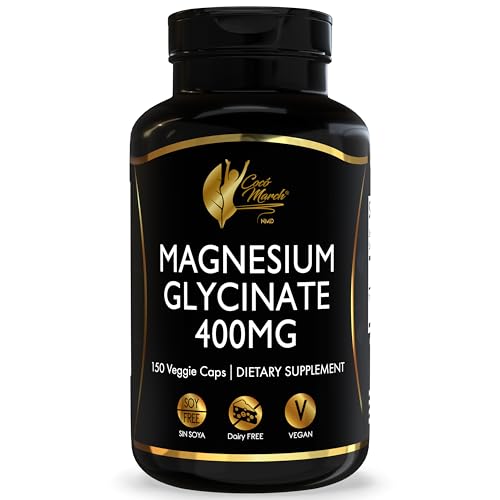
Long-term use of PPIs has been linked to concerns regarding nutrient absorption, including magnesium [3][4]. In rats, prolonged administration of omeprazole, a type of PPI, affected intestinal magnesium absorption. In people, PPI use was linked to a higher risk of hospitalisation with low blood magnesium, though the absolute risk was small [7]. It is a factor to consider for individuals using such medications. Taking magnesium supplements separately from antacids or acid-reducing medications may be a sensible approach, as antacids can affect the absorption of various compounds [2].
Morning vs. Evening: Considerations for Timing
The “best time to take magnesium” is not universally defined and can depend on individual goals and digestive comfort. Some individuals may prefer taking magnesium in the morning, while others find evening intake more suitable.
For those who experience digestive upset with supplements, taking magnesium glycinate with a meal might be a helpful strategy to minimize potential discomfort. The presence of food can sometimes buffer the digestive system. However, specific interactions between magnesium glycinate and various food components are not extensively detailed in the research reviewed here.
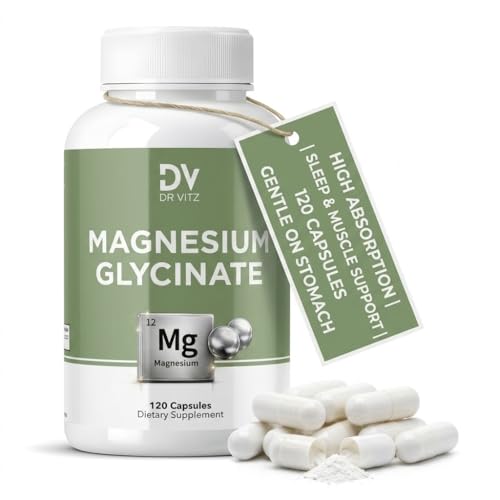
Many individuals choose to take magnesium glycinate in the evening due to its potential role in supporting relaxation. While the research reviewed here does not directly address magnesium glycinate’s specific effects on sleep or relaxation, the glycine component is an amino acid that may have its own considerations for evening intake. Personal preference and how the supplement feels in your body are important guides.
One trial of magnesium bisglycinate at 250 mg of elemental magnesium in 155 adults with poor sleep found a modest benefit on insomnia severity (small effect size), and a 2026 review concluded the evidence does not support magnesium as a routine insomnia treatment [9][10].

Consistency and Individual Response
Regardless of the specific time chosen, consistency is often more important than precise timing for many supplements. Regular intake allows the body to maintain a steady level of the nutrient. It is important to remember that individual responses to supplements can vary widely.
Observing how your body responds to magnesium glycinate when taken at different times of the day can help you determine the most suitable schedule for your personal needs. Factors such as other medications, dietary habits, and individual digestive sensitivities all play a role in optimizing the experience.
References
- Magnesium physiology and clinical therapy in veterinary critical care. Journal of veterinary emergency and critical care (San Antonio, Tex. : 2001), 2015
- Antacids and sotalol absorption. Acta pharmacologica et toxicologica, 1981
- Perils and pitfalls of long-term effects of proton pump inhibitors. Expert review of clinical pharmacology, 2013
- Common gastrointestinal symptoms: risks of long-term proton pump inhibitor therapy. FP essentials, 2013
- NIH Office of Dietary Supplements Magnesium: Fact Sheet for Health Professionals. NIH Office of Dietary Supplements (2026). source
- Walker AF et al. Mg citrate found more bioavailable than other Mg preparations in a randomised, double-blind study. Magnesium research (2003). PMID 14596323
- Jonathan S. Zipursky et al. Proton Pump Inhibitors and Hospitalization with Hypomagnesemia: A Population-Based Case-Control Study. PLoS Medicine (2014). PMID 25268962
- Rachel M. Kenney et al. 192. More Low-hanging Fruit: Antibiotic Chelation Drug Interactions. Open Forum Infectious Diseases (2018). doi:10.1093/ofid/ofy210.205
- Schuster J et al. Magnesium Bisglycinate Supplementation in Healthy Adults Reporting Poor Sleep: A Randomized, Placebo-Controlled Trial. Nature and science of sleep (2025). PMID 40918053
- Lopresti AL et al. Magnesium Supplementation for Sleep in Adults: A Systematic Review of Randomized Controlled Trials. Journal of dietary supplements (2026). PMID 42661485
- Liamis G et al. An overview of diagnosis and management of drug-induced hypomagnesemia. Pharmacology research & perspectives (2021). PMID 34278747
These statements have not been evaluated by the Food and Drug Administration. This information is not intended to diagnose, treat, cure, or prevent any disease. Content is for informational purposes only and is not medical advice; consult a qualified healthcare provider before starting any supplement. As an Amazon Associate we earn from qualifying purchases.
