As women navigate midlife and menopause, understanding nutritional support becomes increasingly relevant. Magnesium is an essential mineral involved in numerous bodily functions, and various forms exist as dietary supplements. Magnesium glycinate is a chelated form, meaning magnesium is bound to the amino acid glycine.
When considering any supplement, quality and appropriate formulation are key. This guide aims to provide evidence-based information to help you make informed decisions when looking for a high-quality magnesium glycinate supplement.
Understanding Magnesium and Its Forms
Magnesium plays a role in various physiological processes. It is involved in energy production, nerve function, muscle contraction, and maintaining bone health. Dietary intake of magnesium can be influenced by factors like food processing and water sources [1].
Different forms of magnesium supplements offer varying characteristics. For example, magnesium oxide is often used for its laxative effect, while other forms like magnesium citrate or malate may be chosen for different reasons. Magnesium glycinate is generally well-regarded for its potential absorption and gentle effect on the digestive system, which can be a consideration for individuals sensitive to other forms of magnesium.

Why Magnesium Glycinate for Midlife and Menopause?
While the provided evidence does not specifically link magnesium glycinate to midlife or menopause, magnesium itself is a mineral of general nutritional importance. Some research suggests a role for dietary magnesium in areas such as cardiovascular disease prevention and insulin sensitivity [2]. These are areas that can be relevant to overall health during midlife.
The chelated nature of magnesium glycinate, where magnesium is bound to glycine, is often discussed in terms of its potential for better absorption compared to some other forms. Glycine is an amino acid that may also offer its own benefits. For women navigating midlife, focusing on well-absorbed forms of essential nutrients can be a sensible approach to support general well-being.

Key Factors for Choosing a High-Quality Supplement
When selecting a magnesium glycinate supplement, several factors contribute to its quality and suitability. It’s not just about finding any product; it’s about finding one that aligns with your needs and offers what it promises.
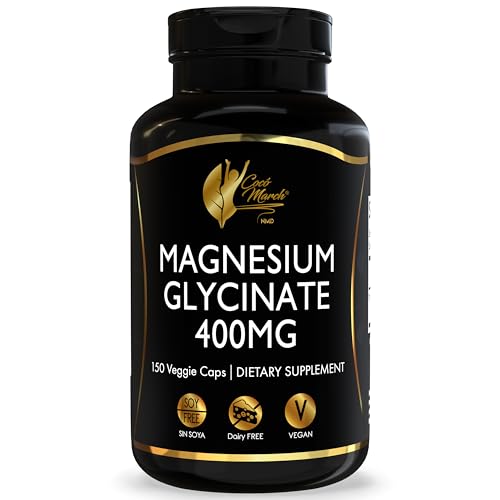
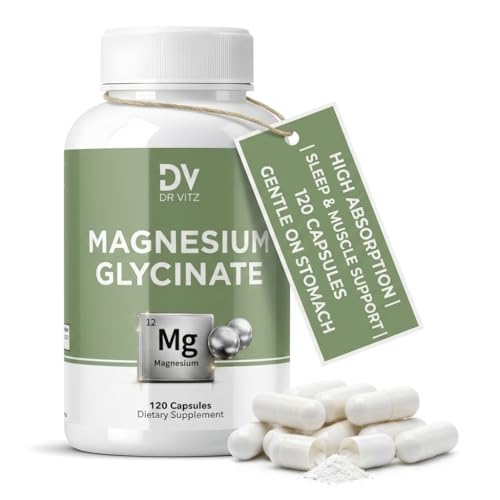
First, look for products that clearly state ‘magnesium glycinate’ on the label. Some products may blend different forms of magnesium, which might not deliver the specific characteristics of magnesium glycinate you are seeking. Transparency in labeling is crucial.
Consider the overall formulation. A high-quality supplement often avoids unnecessary fillers, artificial colors, or artificial flavors. Reviewing the ‘other ingredients’ list can provide insight into the purity of the product. Simpler formulations are often preferred.
The dosage per serving is another important aspect. Magnesium requirements can vary, and supplements come in different strengths. Review the label to understand how much elemental magnesium is provided per serving. It’s important to consider your individual needs and discuss appropriate dosages with a healthcare professional.

Understanding Supplement Potency and Purity
Potency refers to the amount of active ingredient present in each dose. For magnesium glycinate, this means knowing the elemental magnesium content. Some labels might list the total weight of the magnesium glycinate complex, while others specify the elemental magnesium. The elemental magnesium is what your body can potentially utilize. Always look for clarity on elemental magnesium content.
Purity is about what is NOT in the supplement. A high-quality product should be free from common allergens if you have sensitivities. Check for indications like ‘gluten-free,’ ‘dairy-free,’ or ‘soy-free’ if these are concerns for you. Additionally, look for assurances regarding heavy metal testing. Reputable manufacturers often provide information about their testing protocols or third-party certifications, though these may not always be prominently displayed on the label itself.
While specific evidence on magnesium glycinate purity standards is not provided here, the general principle of seeking pure, well-tested supplements applies across the board for dietary supplements, as suggested in discussions around nutritional interventions [3] and dietary supplements for various conditions [4].
Evaluating Manufacturer Reputation and Certifications
The reputation of the manufacturer can be an indicator of product quality. Companies with a long history of producing supplements and positive feedback from consumers may be more reliable. While individual experiences can vary, a generally positive reputation suggests a commitment to good manufacturing practices.
Look for third-party certifications. These certifications, often from independent organizations, indicate that a product has been tested for purity, potency, and sometimes even for contaminants. Examples include NSF International, USP (United States Pharmacopeia), or ConsumerLab. While not all high-quality products carry these seals, their presence can offer an additional layer of assurance regarding what is in the bottle.
These certifications can help verify that the product contains the ingredients listed on the label in the stated amounts and is free from harmful levels of contaminants. This can be particularly helpful in an unregulated market like dietary supplements, ensuring you are truly getting the best magnesium glycinate supplement for your needs.
References
- The UK geochemical environment and cardiovascular diseases: magnesium in food and water. Environmental geochemistry and health, 2015
- Role of dietary magnesium in cardiovascular disease prevention, insulin sensitivity and diabetes. Current opinion in lipidology, 2008
- Nutritional interventions for autism spectrum disorder. Nutrition reviews, 2020
- Overview of dietary supplements on patients with type 2 diabetes. Diabetes & metabolic syndrome, 2020
These statements have not been evaluated by the Food and Drug Administration. This information is not intended to diagnose, treat, cure, or prevent any disease. Content is for informational purposes only and is not medical advice; consult a qualified healthcare provider before starting any supplement. As an Amazon Associate we earn from qualifying purchases.
