Many women navigating perimenopause experience a range of bodily changes, and sometimes, this includes new or changing heart sensations. Among these, heart palpitations are a common report, often described as a fluttering, pounding, or skipped beat.
While these sensations can be unsettling, they are frequently benign. Understanding potential factors that might influence these experiences, such as nutrient balance, can be part of a comprehensive approach to managing well-being during this transitional phase.
What Are Heart Palpitations in Perimenopause?
Heart palpitations are sensations that feel like your heart is beating too hard, too fast, skipping a beat, or fluttering. They can occur at any time, sometimes without an obvious trigger. During perimenopause, hormonal fluctuations, particularly changes in estrogen levels, are thought to play a role in influencing the cardiovascular system and potentially contributing to these sensations.
It’s important to note that while many perimenopausal palpitations are not indicative of serious heart disease, any new or concerning heart symptoms should always be discussed with a healthcare provider to rule out underlying conditions. A medical professional can help determine the cause of palpitations and recommend appropriate steps.
Magnesium: An Essential Mineral for the Body
Magnesium is an abundant mineral in the body and plays a crucial role in over 300 enzymatic reactions. These reactions are vital for various bodily functions, including muscle and nerve function, blood glucose control, and blood pressure regulation. It is also essential for protein synthesis, bone health, and energy production.
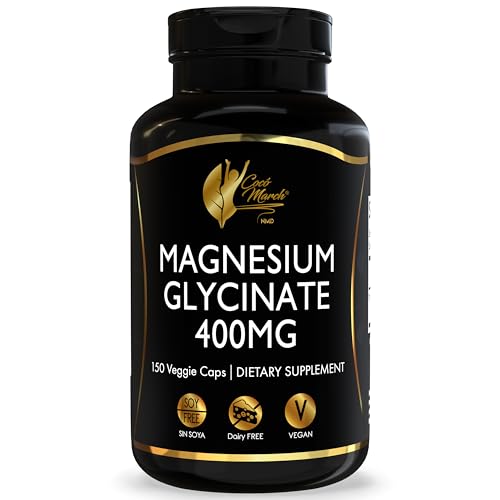
Maintaining adequate magnesium levels is important for overall physiological balance. Dietary sources of magnesium include leafy green vegetables, nuts, seeds, legumes, whole grains, and dark chocolate. Despite its prevalence in many foods, some individuals may not consistently meet their daily magnesium needs through diet alone.
Connecting Magnesium and Heart Rhythm
Magnesium is known to be involved in maintaining normal heart rhythm. It plays a role in the electrical stability of the heart muscle cells. When magnesium levels are low, it can potentially affect these electrical pathways. A deficiency in magnesium, known as hypomagnesemia, has been recognized as a possible factor in certain heart rhythm disturbances, including supraventricular tachycardia [1].
Research suggests that magnesium deficiency may also contribute to cardiovascular inflammation [2]. While this does not directly link to perimenopausal palpitations, it highlights magnesium’s broad importance for cardiovascular health. The exact mechanisms by which magnesium levels might influence perimenopausal palpitations specifically are complex and can vary among individuals. The body’s electrolyte balance, including magnesium, is crucial for proper cardiac function.
Magnesium Glycinate: Considerations for Supplementation
Magnesium glycinate is a form of magnesium supplement that combines magnesium with the amino acid glycine. This chelated form is often chosen for its potential gentle effect on the digestive system compared to other forms of magnesium, which can sometimes have a laxative effect. The presence of glycine may also contribute to its perceived calming properties.
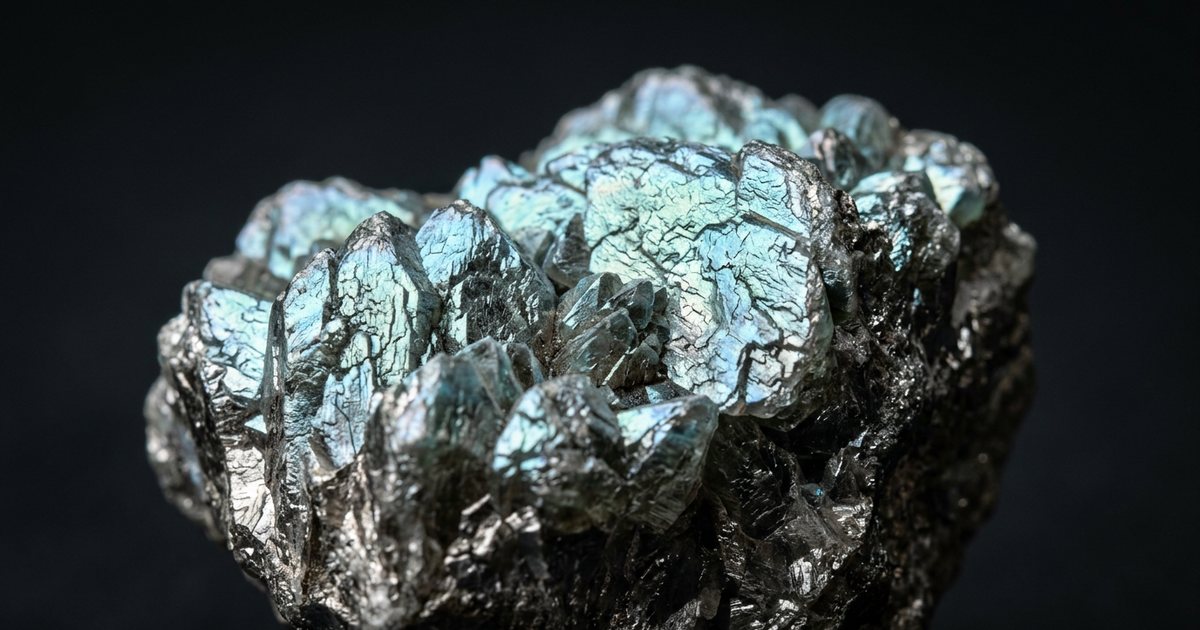
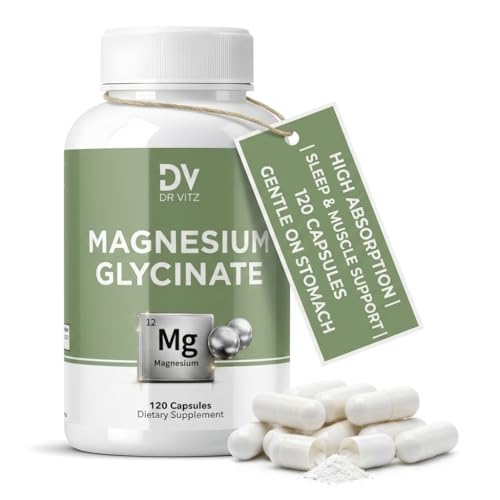
When considering any supplement, including magnesium glycinate, it’s prudent to discuss it with a healthcare provider. They can help assess your individual needs, potential interactions with other medications, and appropriate dosages. While magnesium is generally considered safe for most people when taken within recommended limits, excessive intake can lead to adverse effects.

Safety and Precautions with Magnesium Supplementation
While magnesium is a vital mineral, it is important to approach supplementation with care. High doses of magnesium can lead to side effects such as diarrhea, nausea, and abdominal cramping. In rare cases, extremely high doses can lead to more serious concerns, particularly in individuals with impaired kidney function.
Certain medications can also interact with magnesium supplements. For instance, some drugs can affect the heart’s electrical activity, potentially leading to a condition called QT prolongation [3]. Always inform your doctor about all supplements and medications you are taking to ensure safety and avoid potential interactions. It’s also worth noting that symptoms like palpitations can sometimes be related to other factors or conditions, such as anxiety [4].

References
- Hypomagnesemia Caused by Chronic Use of Over-the-Counter Proton Pump Inhibitor as a Possible Cause of Supraventricular Tachycardia. Cureus, 2023
- The role of magnesium deficiency in cardiovascular and intestinal inflammation. Magnesium research, 2010
- [Drug induced QT prolongation]. Wiener klinische Wochenschrift, 2008
- Micronutrient Profiles and Anxiety in Adolescents with Non-Structural Palpitations: A Case-Control Study. Nutrients, 2026
These statements have not been evaluated by the Food and Drug Administration. This information is not intended to diagnose, treat, cure, or prevent any disease. Content is for informational purposes only and is not medical advice; consult a qualified healthcare provider before starting any supplement. As an Amazon Associate we earn from qualifying purchases.
