Waking up with a sore jaw, worn tooth edges, or a dull morning headache are common signs of nighttime teeth grinding, a complaint that becomes more frequent during perimenopause as stress hormone fluctuations and sleep disruption both increase. Magnesium is often suggested as a natural approach because of its established role in muscle relaxation, though it is worth being upfront that direct clinical evidence for bruxism specifically is thin.
This article may contain affiliate links. If you purchase through these links, we may earn a commission at no additional cost to you.
The Muscle Relaxation Mechanism
Magnesium and calcium work as counterparts inside muscle cells. Calcium triggers muscle contraction, and magnesium is needed for the muscle to relax afterward by helping calcium exit the cell. When magnesium is insufficient, this contraction-relaxation cycle can become imbalanced, and muscles, including the jaw muscles involved in grinding, may become more prone to involuntary tension.[1]
Magnesium also plays a role in regulating the nervous system’s stress response, including the release of cortisol. Because stress and anxiety are widely recognized triggers for bruxism, a calming effect on the nervous system is a second proposed pathway, separate from its direct muscular action, although reviewers rated the quality of the evidence for magnesium and anxiety as poor [4].
Where the Evidence Stands
It is important to be direct here: there is no large, well-controlled clinical trial that has specifically tested magnesium supplementation against a placebo for reducing bruxism episodes measured objectively, for example with overnight electromyography. Older, smaller studies from decades ago are frequently cited in consumer articles on this topic, but the body of evidence has not been substantially updated with modern, rigorous trials.
Research note: A clinician overview says bruxism by itself does not require treatment; management is only indicated where problems arise from it [10].
A 2023 review of nutrient insufficiencies in the pathogenesis of bruxism frames magnesium as one of several nutrients whose shortfall may raise stress sensitivity and neuromuscular excitability, which is a mechanistic argument rather than a demonstrated treatment effect.[2] Reviews of magnesium supplementation more broadly note that it is marketed for many purported benefits that still lack high-quality supporting evidence.[3]
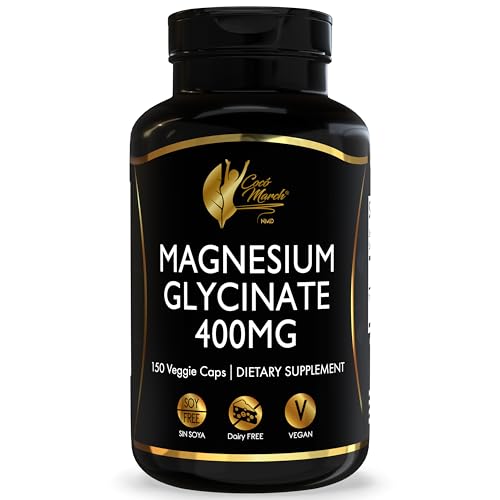
What does exist is a reasonable mechanistic case built from magnesium’s well-documented role in muscle physiology and stress regulation generally, combined with the observation that many people get less magnesium from food than they need, and that magnesium has shown only modest, low-certainty benefit for sleep quality [5][6], which is itself linked to bruxism severity. This is a supportive but indirect case, not proof that supplementation will resolve grinding for a given individual.
A Reasonable, Honest Approach
For someone experiencing bruxism, magnesium supplementation is a plausible piece of a broader strategy rather than a standalone fix, and is generally low-risk at label doses for people with healthy kidneys, though high doses often cause diarrhea [7][5]. A night guard fitted by a dentist is the usual way to protect teeth from wear, regardless of the underlying cause, though a 2025 systematic review of 22 studies concluded that no single bruxism treatment is universally effective [8]. Addressing stress, evaluating sleep quality, and ruling out other contributors such as sleep apnea, certain antidepressant medications, and excessive caffeine or alcohol intake are all part of a complete picture.
If grinding is severe, causing pain, or damaging teeth, a dental or medical evaluation is the appropriate next step rather than relying on a supplement alone.

Frequently Asked Questions
Will magnesium stop teeth grinding completely?
There is no clinical evidence establishing that magnesium supplementation reliably stops bruxism. It may help as part of a broader approach for some people, particularly if a magnesium deficiency is contributing to muscle tension or poor sleep.
What form of magnesium is best for muscle relaxation?
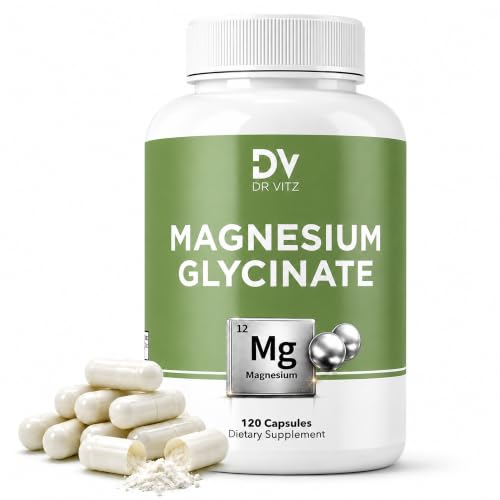
Magnesium glycinate is commonly chosen for muscle relaxation and sleep support because it is gentle on the stomach. NIH lists oxide among the forms most often reported to cause diarrhea and does not name glycinate, but it also does not list glycinate among the better-absorbed forms [5][9].

Should I still use a night guard if I take magnesium?
Yes. A night guard protects teeth from physical wear regardless of what is causing the grinding and is the most dentist-recommended protective measure.
Can stress alone cause bruxism even with normal magnesium levels?
Yes. Stress, sleep disorders, certain medications, and alcohol or caffeine intake can all cause or worsen bruxism independent of magnesium status.
These statements have not been evaluated by the FDA. This product is not intended to diagnose, treat, cure, or prevent any disease.
References
- The Mechanisms of Magnesium in Sleep Disorders. Nature and Science of Sleep (2025). PMID 41116797
- Nutrient insufficiencies and deficiencies involved in the pathogenesis of bruxism (Review). Experimental and Therapeutic Medicine (2023). PMID 37954114
- Magnesium: Hype and Health Benefits. Current Nutrition Reports (2026). PMID 42484803
- Boyle NB et al. The Effects of Magnesium Supplementation on Subjective Anxiety and Stress-A Systematic Review. Nutrients (2017). PMID 28445426
- NIH Office of Dietary Supplements Magnesium: Fact Sheet for Health Professionals. NIH Office of Dietary Supplements (2026). source
- Lopresti AL et al. Magnesium Supplementation for Sleep in Adults: A Systematic Review of Randomized Controlled Trials. Journal of dietary supplements (2026). PMID 42661485
- Van Laecke S Hypomagnesemia and hypermagnesemia. Acta clinica Belgica (2019). PMID 30220246
- Assiri HA et al. Bruxism treatment outcomes: A systematic review and meta-analysis. Medicine (2025). PMID 41366915
- NIH Office of Dietary Supplements Magnesium: Fact Sheet for Consumers. NIH Office of Dietary Supplements (2026). source
- Beddis H et al. Sleep bruxism: an overview for clinicians. British dental journal (2018). PMID 30237554
These statements have not been evaluated by the Food and Drug Administration. This information is not intended to diagnose, treat, cure, or prevent any disease. Content is for informational purposes only and is not medical advice; consult a qualified healthcare provider before starting any supplement. As an Amazon Associate we earn from qualifying purchases.
