Ready to buy? Check current prices on Amazon and compare deals before you decide.
Navigating midlife often brings new physical sensations, and for many women, muscle cramps can become a noticeable discomfort during perimenopause and menopause[1]. These involuntary muscle contractions can range from mild to intense, impacting daily comfort and sleep quality.
While the exact causes of muscle cramps can be multifaceted, including hormonal shifts, hydration, and activity levels, some individuals explore nutritional support[2]. Magnesium, an essential mineral, plays a role in numerous bodily functions, including muscle and nerve function, and its glycinate form is often considered for its absorbability and gentle nature.
Understanding Muscle Cramps in Midlife
Muscle cramps are a common experience, but their frequency and intensity can sometimes increase as women transition through perimenopause and menopause. These periods involve significant hormonal fluctuations, particularly in estrogen levels, which can influence various physiological processes throughout the body.
While direct research specifically linking menopausal hormonal changes to an increase in muscle cramps is complex, many women report a subjective increase in these episodes. Factors such as changes in hydration, activity levels, and even certain medications can also contribute to muscle cramp experiences during this life stage. Understanding these potential influences is a first step in addressing discomfort.
The Role of Magnesium in Muscle Function
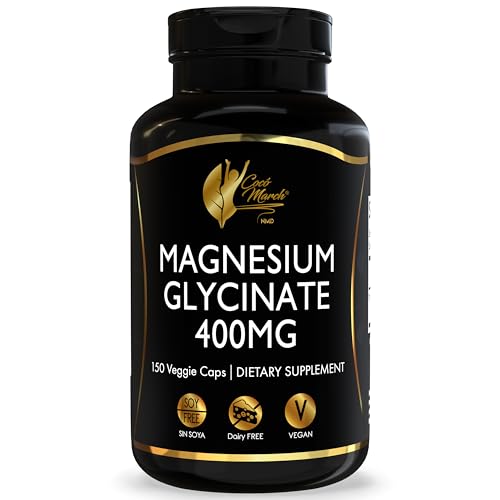
Magnesium is a vital mineral involved in over 300 enzymatic reactions in the body[3]. Its roles include protein synthesis, blood glucose control, blood pressure regulation, and nerve function. Critically, magnesium plays a significant part in muscle contraction and relaxation.
Within muscle cells, magnesium helps regulate calcium levels. Calcium is essential for muscle contraction, while magnesium facilitates muscle relaxation[4]. An imbalance, or insufficient magnesium, could theoretically contribute to muscles struggling to relax properly, potentially leading to cramping sensations. Adequate magnesium levels are considered important for maintaining normal muscle and nerve function.
Why Magnesium Glycinate for Muscle Discomfort?
When considering magnesium supplementation, the form of magnesium can influence its absorption and how well it is tolerated. Magnesium glycinate is a chelated form, meaning magnesium is bound to the amino acid glycine. This binding is thought to enhance its absorption in the digestive tract[5].
The chelated nature of magnesium glycinate also tends to make it gentler on the stomach compared to some other forms of magnesium, which can sometimes have a laxative effect[6]. For individuals seeking to support their magnesium intake without digestive upset, magnesium glycinate is often a preferred option. Its potential for better absorption means more of the mineral may be available for the body to utilize, including for muscle support.

Exploring Magnesium for Muscle Cramps: What to Consider
While many individuals report finding relief from muscle cramps with magnesium supplementation, it’s important to approach this topic with a balanced perspective[7]. The body’s magnesium needs can vary, and dietary intake is the primary source of this essential mineral. Foods rich in magnesium include leafy green vegetables, nuts, seeds, legumes, whole grains, and dark chocolate.
When dietary intake may not be sufficient, or for those experiencing persistent muscle discomfort, magnesium supplementation is sometimes considered[8]. Although specific clinical trials focusing solely on magnesium glycinate for perimenopausal muscle cramps are not widely available, the general understanding of magnesium’s role in muscle function provides a rationale for its use. Many individuals find it to be a supportive addition to their wellness routine[9].
Practical Considerations for Magnesium Glycinate Use
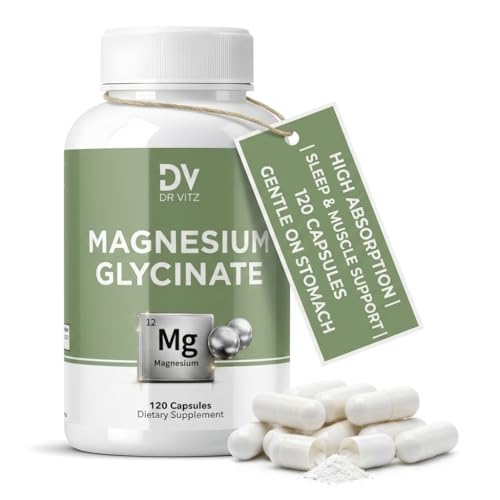
If you are considering magnesium glycinate for muscle cramps, it’s helpful to start with a lower dose and gradually increase it if needed, while monitoring how your body responds. The recommended daily allowance for magnesium varies by age and sex, and it’s always wise to be mindful of your total intake from both food and supplements.
Consistency is often key when incorporating any supplement into your routine. While some individuals may notice changes relatively quickly, for others, it may take a few weeks to assess the full potential benefits. Paying attention to other factors that can influence muscle cramps, such as hydration, electrolyte balance, and stretching, can also complement any supplemental approach.
Beyond Magnesium: A Holistic Approach to Midlife Discomfort
Addressing muscle cramps in midlife often benefits from a comprehensive approach. While magnesium glycinate may offer support, it’s just one piece of the puzzle. Ensuring adequate hydration throughout the day is fundamental, as dehydration can contribute to muscle cramping. Incorporating gentle stretching and regular, moderate physical activity can also help maintain muscle flexibility and circulation.
Additionally, a balanced diet rich in a variety of nutrients supports overall health and well-being during perimenopause and menopause. Managing stress, ensuring sufficient sleep, and listening to your body’s signals are all important aspects of navigating this unique life stage with greater comfort.

References
- Perimenopause: From Research to Practice. Journal of women’s health (2002), 2016
- The Importance of Nutrition in Menopause and Perimenopause-A Review. Nutrients, 2023
- Magnesium in Prevention and Therapy. Nutrients, 2015
- Magnesium in man: implications for health and disease. Physiological reviews, 2015
- Bioavailability of magnesium food supplements: A systematic review. Nutrition (Burbank, Los Angeles County, Calif.), 2021
- Dose-Dependent Absorption Profile of Different Magnesium Compounds. Biological trace element research, 2019
- Magnesium for skeletal muscle cramps. The Cochrane database of systematic reviews, 2020
- Effect of Magnesium Oxide Supplementation on Nocturnal Leg Cramps: A Randomized Clinical Trial. JAMA internal medicine, 2017
- A randomized, double-blind, placebo-controlled, multicenter study assessing the efficacy of magnesium oxide monohydrate in the treatment of nocturnal leg cramps. Nutrition journal, 2021
These statements have not been evaluated by the Food and Drug Administration. This information is not intended to diagnose, treat, cure, or prevent any disease. Content is for informational purposes only and is not medical advice; consult a qualified healthcare provider before starting any supplement. As an Amazon Associate we earn from qualifying purchases.
