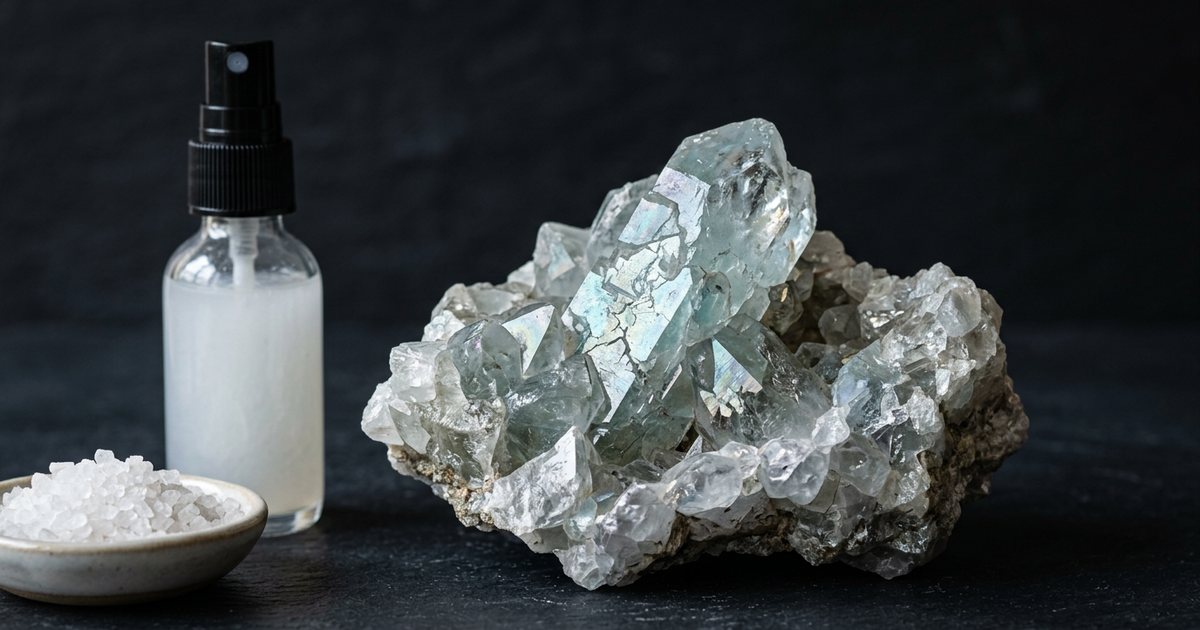
Magnesium oil sprays, lotions, and Epsom salt baths are marketed as an easy, gut-friendly way to raise magnesium levels without swallowing a capsule. This is one of the more contested areas of magnesium research: the marketing claims are widespread, but the underlying science on how much magnesium actually crosses the skin is genuinely unsettled.
This article may contain affiliate links. If you purchase through these links, we may earn a commission at no additional cost to you.
The Skin Barrier Problem
Skin exists specifically to keep things out of the body, and the outermost layer, the stratum corneum, is a tightly packed, largely hydrophobic barrier that resists absorption of water-soluble, charged ions like magnesium. Magnesium is thought to cross the skin, if at all, primarily through hair follicles and sweat glands rather than directly through skin cells, but these structures make up a very small fraction of total skin surface area [1].
What the Human Studies Show
A pilot study measuring serum and urinary magnesium levels in humans after applying a topical magnesium cream found the study was among the first to directly test this in people, reflecting how little rigorous human data exists on the topic [2]. The results did not demonstrate a clear, clinically meaningful rise in systemic magnesium levels from topical application, and a review of human and in vitro studies concluded that transdermal magnesium cannot yet be recommended over oral supplementation [3].
The evidence for skin-applied magnesium is one null lotion trial, a small cream pilot and an unreviewed bath study
No difference from placebo
A placebo-controlled study of a magnesium-rich lotion in 34 healthy volunteers found no significant differences in magnesium levels between the placebo and the study groups.
A small pilot, mostly not significant
In a two-week pilot of 25 adults, serum magnesium rose from 0.82 to 0.89 mmol/L (p = 0.29). The difference was significant (p = 0.02) only in a subgroup of non-athletes.
Not peer-reviewed
A study of 19 subjects taking 12 min Epsom salt baths for 7 days was published only on an Epsom salt industry site and was not peer-reviewed.
Cannot yet recommend
The review concluded that transdermal magnesium cannot yet be recommended.
Transdermal magnesium is unproven, and oral supplements have the better evidence.
All figures come from one review of human and in vitro studies. Source: Gröber et al., Nutrients 2017
Embed this chart
Free to reuse on your site. Copy the code below; please keep the credit link.
Research note: In a two-week pilot of magnesium cream, serum magnesium rose from 0.82 to 0.89 mmol/L (p = 0.29), statistically significant only in a subgroup of non-athletes; the review calls this a slight increase [3].
A separate review examining the broader claims around transdermal magnesium concluded that current evidence remains limited and inconclusive, and that widespread marketing claims around transdermal absorption outpace what controlled research actually supports [1].
In a placebo-controlled study of a magnesium sulphate lotion in 34 healthy volunteers, there were no significant differences in magnesium levels between the lotion and placebo groups. One small Epsom salt bath study reported rises in blood magnesium, but it was published only on an Epsom salt industry site and was not peer-reviewed [3].
So Why Do People Report Feeling Better?
Several explanations do not require systemic magnesium absorption at all. A warm Epsom salt bath is relaxing on its own, independent of any mineral content, through warmth, buoyancy, and simply taking twenty minutes away from screens and obligations. Magnesium oil applied directly to a sore muscle may have a local, topical soothing effect at the application site without needing to raise whole-body magnesium levels. Neither of these requires the transdermal absorption claim to be true for the experience to feel real.
Where Topical Magnesium May Still Have a Place
None of this means topical magnesium is worthless, only that it should not be relied on as a replacement for oral supplementation if the goal is correcting a documented magnesium deficiency. As a relaxing addition to a wind-down routine, or for localized comfort on a sore muscle, it carries very low risk. As a primary strategy for raising systemic magnesium status, the current evidence does not support that claim.
Frequently Asked Questions
Is magnesium oil a good substitute for magnesium glycinate capsules?
Based on current evidence, no. Transdermal magnesium is scientifically unproven, and a review concluded it cannot yet be recommended over oral supplementation [3].
Are Epsom salt baths a waste of time?
Not necessarily, they can be genuinely relaxing and may help with mood and stress independent of measurable magnesium absorption through the skin.

Can topical magnesium help with sore muscles even if it does not raise blood levels?
It is plausible as a local, topical comfort measure, though this has not been rigorously separated from a general soothing or massage effect in controlled research.
Why do some brands claim transdermal magnesium is better absorbed than oral forms?
This claim is not well supported by the controlled human research currently available and should be treated skeptically, particularly when used to justify a higher price point.


References
- Myth or Reality-Transdermal Magnesium?. Nutrients, 2017
- Effect of transdermal magnesium cream on serum and urinary magnesium levels in humans: a pilot study. PLOS ONE, 2017
- Gröber U et al. Myth or Reality-Transdermal Magnesium?. Nutrients (2017). PMID 28788060
These statements have not been evaluated by the FDA. This product is not intended to diagnose, treat, cure, or prevent any disease.
These statements have not been evaluated by the Food and Drug Administration. This information is not intended to diagnose, treat, cure, or prevent any disease. Content is for informational purposes only and is not medical advice; consult a qualified healthcare provider before starting any supplement. As an Amazon Associate we earn from qualifying purchases.
