Perimenopause is a significant phase in a woman’s life, characterized by hormonal shifts that can bring about various changes, including those related to emotional well-being. Many women seek ways to support their mood and manage feelings of anxiety during this time.
Magnesium is an essential mineral involved in numerous bodily functions. Its potential influence on neurological processes and stress responses has led to interest in its role for supporting emotional balance, particularly during periods of hormonal fluctuation like perimenopause.
Magnesium’s Role in the Body and Nervous System
Magnesium is a vital mineral that participates in over 300 enzymatic reactions in the body. These reactions are crucial for energy production, muscle and nerve function, blood glucose control, and blood pressure regulation. Its widespread involvement means that adequate magnesium levels are important for overall physiological balance.
Within the nervous system, magnesium is thought to play a role in neurotransmitter activity and cellular signaling. These functions are fundamental to mood regulation and the body’s response to stress. Imbalances in these systems can sometimes contribute to feelings of anxiety or changes in mood, making magnesium’s potential influence a topic of interest for those navigating perimenopause.
Magnesium and Anxiety: What the Research Suggests
Research has explored the connection between magnesium supplementation and feelings of anxiety. A systematic review examined the impact of various supplements, including magnesium, on stress levels in women [1]. While the evidence base for magnesium’s direct effect on anxiety can be varied, some studies have shown promising indications.
One study indicated that magnesium, when combined with vitamin B6, appeared to be superior to magnesium alone in addressing severe stress in healthy adults who had low magnesium levels [2]. Another post-hoc analysis from a randomized controlled trial suggested that magnesium and vitamin B6 supplementation might have a beneficial effect on mental health and quality of life in stressed healthy adults [3]. These findings suggest a potential synergistic effect between magnesium and B6 in some contexts.
It is important to note that much of the research on magnesium and anxiety involves general adult populations, and specific studies focusing solely on perimenopausal women with anxiety are still developing. However, the broader findings offer a basis for understanding its potential relevance during this life stage.
Magnesium’s Potential Influence on Mood
Beyond anxiety, magnesium has also been investigated for its potential role in supporting mood. Several studies have explored the relationship between magnesium intake and mood states. For instance, some research has looked at dietary magnesium intake and its association with mood [PMID 30611059, PMID 27910807]. These observational studies suggest a potential link, but do not establish cause and effect.
In a randomized clinical trial, magnesium supplementation was explored for its potential in supporting mood [4]. While the findings can be encouraging, it’s essential to consider the scope and limitations of individual studies. Another study on patients after open-heart surgery observed the effect of short-term magnesium supplementation on anxiety, mood, and sleep quality [5]. These studies contribute to the broader understanding of magnesium’s potential influence on emotional well-being.
The World Federation of Societies of Biological Psychiatry (WFSBP) and Canadian Network for Mood and Anxiety Treatments (CANMAT) Taskforce provided clinician guidelines that included nutraceuticals and phytoceuticals for psychiatric disorders, mentioning magnesium as one such consideration [6]. This indicates a growing recognition within some clinical communities of the potential role of certain supplements, including magnesium, in supporting mental health, though typically as an adjunct and not a standalone approach.
Considering Magnesium Glycinate for Perimenopausal Support
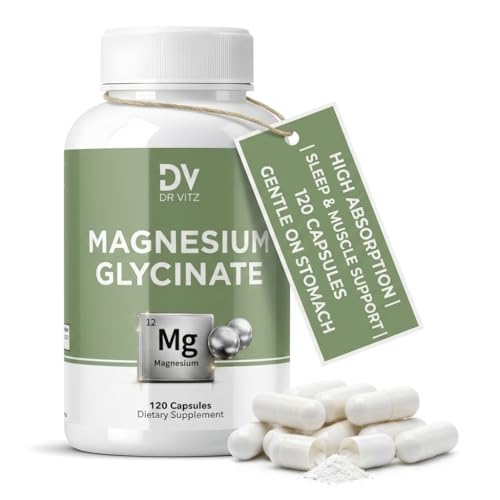
When considering magnesium supplementation, the form of magnesium can be a factor. Magnesium glycinate is a chelated form of magnesium, meaning magnesium is bound to the amino acid glycine. This binding is thought to enhance absorption and may be gentler on the digestive system compared to some other forms of magnesium.
While specific studies on magnesium glycinate and perimenopausal anxiety and mood are still emerging, the general body of research on magnesium’s role in the nervous system and stress response provides a foundation for its consideration. The glycine component itself is an amino acid that functions as an inhibitory neurotransmitter, which some speculate could contribute to a calming effect, though this specific interaction in the context of magnesium glycinate for perimenopause requires further targeted research.
For women experiencing shifts in anxiety and mood during perimenopause, considering magnesium glycinate as part of a broader wellness strategy may be an option to discuss with a healthcare provider. It is not intended to replace professional medical advice or prescribed treatments.

References
- The impact of essential fatty acid, B vitamins, vitamin C, magnesium and zinc supplementation on stress levels in women: a systematic review. JBI database of systematic reviews and implementation reports, 2017
- Superiority of magnesium and vitamin B6 over magnesium alone on severe stress in healthy adults with low magnesemia: A randomized, single-blind clinical trial. PloS one, 2018
- Effect of magnesium and vitamin B6 supplementation on mental health and quality of life in stressed healthy adults: Post-hoc analysis of a randomised controlled trial. Stress and health : journal of the International Society for the Investigation of Stress, 2021
- Role of magnesium supplementation in the treatment of depression: A randomized clinical trial. PloS one, 2017
- Effect of short-term magnesium supplementation on anxiety, depression and sleep quality in patients after open-heart surgery. Magnesium research, 2022
- Clinician guidelines for the treatment of psychiatric disorders with nutraceuticals and phytoceuticals: The World Federation of Societies of Biological Psychiatry (WFSBP) and Canadian Network for Mood and Anxiety Treatments (CANMAT) Taskforce. The world journal of biological psychiatry : the official journal of the World Federation of Societies of Biological Psychiatry, 2022
These statements have not been evaluated by the Food and Drug Administration. This information is not intended to diagnose, treat, cure, or prevent any disease. Content is for informational purposes only and is not medical advice; consult a qualified healthcare provider before starting any supplement. As an Amazon Associate we earn from qualifying purchases.
