As women navigate midlife and the menopausal transition, maintaining bone health often becomes a significant focus. Hormonal shifts during this time can influence bone remodeling, making it important to consider various factors that support skeletal integrity. While calcium and vitamin D are widely recognized for their role in bone health, magnesium is also gaining attention as a key mineral.
This article will explore the evidence supporting magnesium’s involvement in bone density, particularly for women in midlife and menopause. We will discuss how magnesium contributes to the complex processes that maintain strong bones, drawing on available research to provide a balanced and evidence-based perspective.
Magnesium’s Fundamental Role in Bone Structure
Magnesium is an essential mineral involved in numerous bodily functions, including those critical for bone health. Approximately 50-60% of the body’s total magnesium is found in the bones [1]. It is incorporated into the bone matrix, contributing to its structural integrity. Beyond its direct presence in bone tissue, magnesium also plays a role in regulating other minerals vital for skeletal health.
The intricate relationship between magnesium and bone health extends to its influence on calcium metabolism. Magnesium is necessary for the proper functioning of parathyroid hormone (PTH) and vitamin D, both of which are crucial regulators of calcium and phosphate levels in the body [1]. Adequate magnesium levels are considered important for bone metabolism and overall skeletal health [PMID 33959846, PMID 37922025].
Magnesium Intake and Bone Mineral Density in Women
Research has investigated the association between dietary magnesium intake and bone mineral density (BMD). One study involving young adult women found a positive association between magnesium intake and bone mineral density [2]. This suggests that adequate magnesium intake may be relevant for establishing bone strength earlier in life.
Further evidence comes from the Women’s Health Initiative Observational Study, which examined magnesium intake, BMD, and fractures in a large cohort of postmenopausal women. The findings indicated an association between higher magnesium intake and higher bone mineral density in women [3]. This large-scale study provides significant data on the potential role of magnesium in maintaining bone density during postmenopause.
Another study observed a positive correlation between serum magnesium levels and bone mineral density in women aged 60-79 years, suggesting that even within the normal range, higher magnesium levels might be associated with better bone status [4]. These findings collectively highlight magnesium as a factor potentially influencing bone density in women across different life stages.
Magnesium During Midlife and Menopause
Midlife and menopause represent a period of significant hormonal changes that can impact bone health. Estrogen decline during menopause is a well-known factor contributing to accelerated bone loss. While calcium and vitamin D are often emphasized, the broader nutritional landscape, including magnesium, is also relevant for supporting bone integrity during this transition [5].
The importance of magnesium in gynecological practice has been reviewed, acknowledging its role in various physiological processes, including those related to bone health [6]. Maintaining adequate magnesium status may be a supportive measure for women navigating the physiological shifts of menopause, contributing to a holistic approach to skeletal well-being [PMID 10694998, PMID 7770187].
Magnesium Glycinate: A Consideration for Supplementation
When considering magnesium supplementation, various forms are available. Magnesium glycinate is often favored due to its good absorption profile and generally well-tolerated nature. This form combines magnesium with the amino acid glycine, which may enhance its bioavailability.
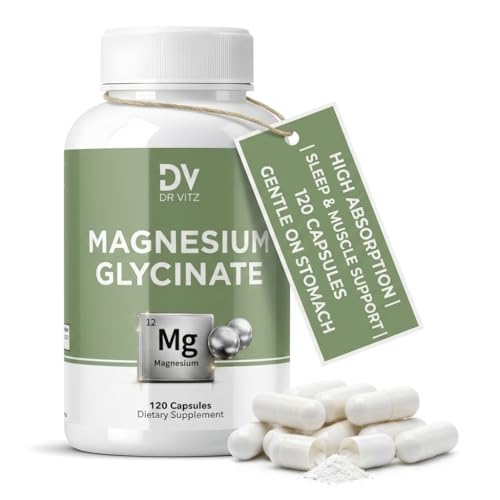
While the specific form of magnesium used in all bone density studies may vary, the overall evidence points to the importance of adequate magnesium intake. For those considering supplementation to support their magnesium levels, magnesium glycinate can be a suitable option to discuss with a healthcare professional.
Comprehensive Approach to Bone Health
It is important to remember that bone health is multifaceted and influenced by numerous factors. While magnesium plays a significant role, it is part of a larger picture that includes other essential nutrients like calcium and vitamin D, regular weight-bearing exercise, and a balanced diet [7].
A holistic approach to supporting bone density during midlife and menopause considers all these elements. Discussing dietary intake, lifestyle habits, and appropriate supplementation with a healthcare provider can help women make informed decisions tailored to their individual needs.

References
- An update on magnesium and bone health. Biometals : an international journal on the role of metal ions in biology, biochemistry, and medicine, 2021
- Magnesium intake and bone mineral density in young adult women. Magnesium research, 2007
- Magnesium intake, bone mineral density, and fractures: results from the Women’s Health Initiative Observational Study. The American journal of clinical nutrition, 2014
- Bone mineral density, serum albumin and serum magnesium. Journal of the American College of Nutrition, 2004
- Calcium, vitamin D, vitamin K2, and magnesium supplementation and skeletal health. Maturitas, 2020
- Magnesium in the gynecological practice: a literature review. Magnesium research, 2017
- Bone health: biology and nutrition. Current opinion in clinical nutrition and metabolic care, 2024
These statements have not been evaluated by the Food and Drug Administration. This information is not intended to diagnose, treat, cure, or prevent any disease. Content is for informational purposes only and is not medical advice; consult a qualified healthcare provider before starting any supplement. As an Amazon Associate we earn from qualifying purchases.
