When navigating health needs, understanding how different supplements and medications interact is important. Many women in midlife and menopause consider magnesium supplementation for various reasons, but if you’re also taking antibiotics, it’s wise to be aware of how they might influence each other.
This article will explore the potential for interactions between magnesium and certain types of antibiotics. We’ll discuss why these interactions can occur and provide general guidance on timing your doses to help support both your antibiotic’s effectiveness and your magnesium supplementation.
Understanding Magnesium’s Role as a Cation
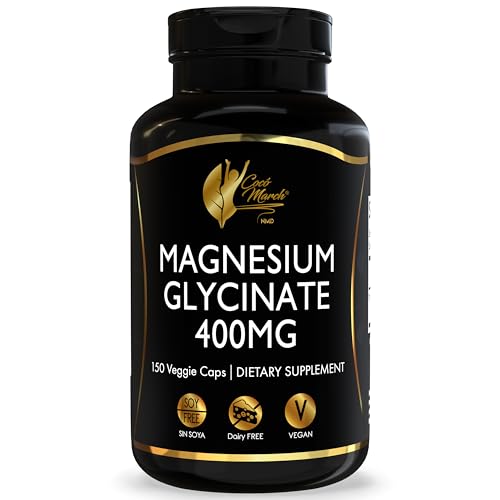
Magnesium is an essential mineral, playing a role in numerous bodily functions. In its supplemental form, magnesium is often provided as a salt, such as magnesium glycinate. When magnesium enters the digestive system, it dissociates into its ionic form, Mg²⁺. This positively charged ion is known as a cation.
The presence of these cations in the digestive tract is key to understanding potential interactions with certain medications. While magnesium is vital for health, its chemical properties can sometimes affect how other substances are absorbed or utilized by the body.
How Magnesium Can Affect Antibiotic Absorption
Certain antibiotics, particularly some in the quinolone and tetracycline classes, can form insoluble complexes with multivalent cations like magnesium in the gastrointestinal tract [1]. When this complex forms, the antibiotic may not be absorbed into the bloodstream as effectively as it would otherwise be.
Reduced absorption means that less of the antibiotic reaches the site of infection, potentially diminishing its intended effect. This interaction is not unique to magnesium; other multivalent cations found in supplements or antacids, such as calcium, aluminum, and iron, can have similar effects on these specific types of antibiotics [PMID 1969784, PMID 7727050].
For example, studies have shown that antacids containing magnesium-aluminum hydroxide can decrease the bioavailability of certain quinolone antibiotics, like ofloxacin [2]. This highlights the importance of considering the timing of magnesium supplements when taking these particular medications.

Specific Antibiotic Classes to Be Aware Of
The most commonly cited antibiotic classes that may experience reduced absorption due to interaction with magnesium and other multivalent cations are:
- Quinolones (e.g., ciprofloxacin, levofloxacin, moxifloxacin): These antibiotics are known to chelate with metallic ions, which can significantly impair their absorption [PMID 7727050, PMID 2658782].
- Tetracyclines (e.g., doxycycline, minocycline, tetracycline): Similar to quinolones, tetracyclines can form insoluble complexes with magnesium, leading to reduced bioavailability [1].
It’s important to note that not all antibiotics are affected by magnesium in this way. However, given the potential for interaction with these commonly prescribed classes, it is prudent to be mindful of timing if you are taking a magnesium supplement.

General Guidance for Timing Magnesium and Antibiotic Doses
To help minimize the potential for interaction and support the effectiveness of your antibiotic, a common recommendation is to separate the administration of magnesium supplements from certain antibiotics by several hours. This allows the antibiotic to be absorbed before the magnesium is introduced, or vice-versa.
Generally, it is often suggested to take magnesium supplements at least 2 to 4 hours before or after an antibiotic dose that is known to interact with multivalent cations [3]. This separation provides a window for the antibiotic to pass through the stomach and upper small intestine, where much of its absorption occurs, before significant amounts of magnesium are present.
Always consult the specific instructions provided by your healthcare provider or pharmacist regarding your antibiotic, as timing recommendations can vary based on the specific drug and its formulation.
Magnesium Glycinate and Other Magnesium Forms
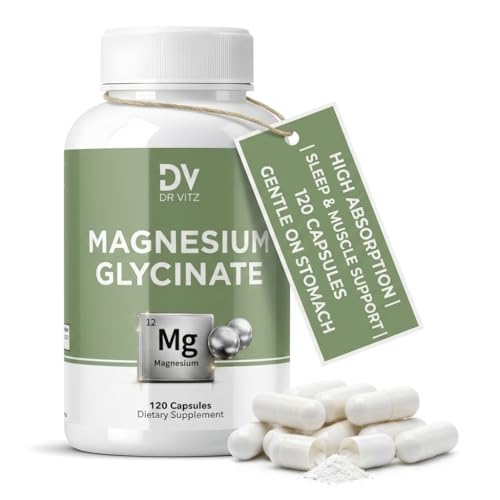
Magnesium glycinate is a chelated form of magnesium, meaning magnesium is bound to the amino acid glycine. This chelation is often associated with good absorption and gentle digestive effects. However, once magnesium glycinate enters the digestive system, it still releases magnesium ions.
Therefore, while the form of magnesium may influence its own absorption characteristics, the underlying principle of magnesium ions potentially interfering with the absorption of certain antibiotics remains relevant. The timing recommendations discussed apply broadly to magnesium supplements that release absorbable magnesium ions into the digestive tract.

References
- Drug interactions with antacids. Mechanisms and clinical significance. Drug safety, 1994
- Effects of magnesium-aluminum hydroxide and calcium carbonate antacids on bioavailability of ofloxacin. Antimicrobial agents and chemotherapy, 1990
- Effects of antacids on the clinical pharmacokinetics of drugs. An update. Clinical pharmacokinetics, 1990
These statements have not been evaluated by the Food and Drug Administration. This information is not intended to diagnose, treat, cure, or prevent any disease. Content is for informational purposes only and is not medical advice; consult a qualified healthcare provider before starting any supplement. As an Amazon Associate we earn from qualifying purchases.
