Ready to buy? Check current prices on Amazon and compare deals before you decide.
As women navigate the shifts of perimenopause, understanding various supplements can be a part of supporting overall well-being. Magnesium, an essential mineral, plays a role in numerous bodily functions, and different forms of magnesium supplements are available.
This article explores three common forms: magnesium glycinate, magnesium citrate, and magnesium oxide. We’ll look at how they differ, particularly in terms of absorption and common uses, to help you make informed choices during this life stage.
Understanding Magnesium’s Role in Perimenopause
Magnesium is involved in over 300 enzyme systems that regulate diverse biochemical reactions in the body[1]. These include protein synthesis, muscle and nerve function, blood glucose control, and blood pressure regulation. Maintaining adequate magnesium levels is important for general health at any age.
During perimenopause, women may experience a range of physical and emotional changes. While magnesium is not a specific remedy for perimenopausal symptoms, ensuring sufficient intake of this vital mineral is a foundational aspect of nutritional support[2]. Various factors, including dietary habits and individual needs, can influence magnesium status.
Magnesium Glycinate: A Closer Look
Magnesium glycinate is a form where magnesium is bound to glycine, an amino acid. This chelated form is often noted for its gentle effect on the digestive system. Many find magnesium glycinate to be well-tolerated, with a lower likelihood of causing gastrointestinal upset compared to some other forms[3].
Research note: In normal volunteers, the urinary magnesium rise after a 25 mmol citrate load was significantly higher than after an oxide load, indicating better absorption of citrate [5].
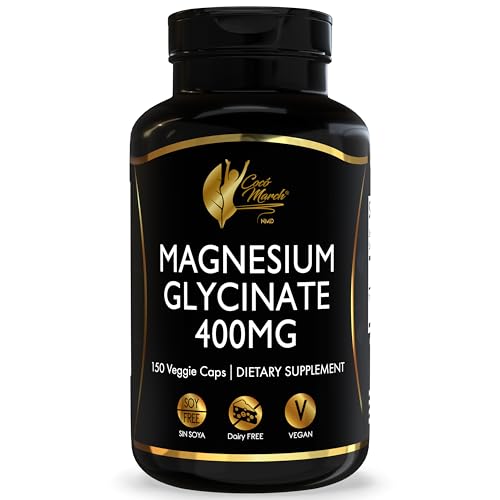
The chelation with glycine is thought to enhance its absorption. Glycine itself is an amino acid that plays various roles in the body, including as a neurotransmitter[4]. This combination makes magnesium glycinate a popular choice for those seeking magnesium supplementation with potentially good absorption and minimal digestive impact.

Magnesium Citrate: Absorption and Common Uses
Magnesium citrate is magnesium bound to citric acid. This form is generally considered to have good bioavailability, meaning the body can absorb and utilize a significant portion of the magnesium it provides[5]. It is also well-known for its osmotic laxative properties[6].
Because of its ability to draw water into the intestines, magnesium citrate is frequently used to support bowel regularity. While this can be beneficial for some, it also means that higher doses may lead to loose stools or diarrhea. For those primarily seeking magnesium for general nutritional support without specific bowel effects, dosage considerations are important.

Magnesium Oxide: A Different Profile
Magnesium oxide is an inorganic salt of magnesium. It contains a high percentage of elemental magnesium by weight, which might seem appealing at first glance. However, its bioavailability is generally considered to be lower than that of citrate, and in the lab it was virtually insoluble in water. Whether chelated forms absorb better is less clear: in a small trial of patients with ileal resection, absorption of diglycinate chelate and oxide was similar overall (23.5% vs 22.8%) [8][5][9].

Due to its lower absorption rate, a larger portion of magnesium oxide may pass through the digestive system unabsorbed. While it can still provide some magnesium, its primary use is often as an antacid or a laxative due to its localized effects in the gut rather than its systemic absorption for mineral supplementation[7]. For systemic magnesium repletion, other forms might be more efficient.
Comparing Absorption and Digestive Impact
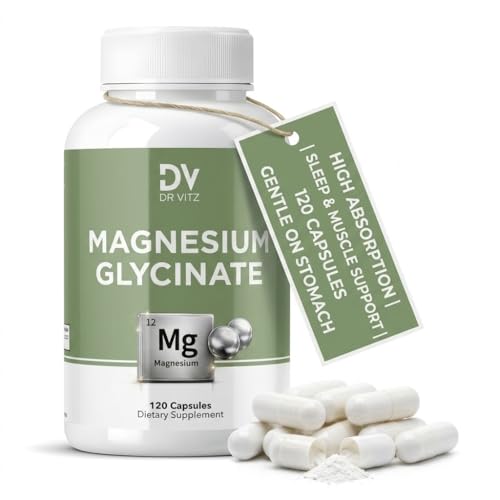
When considering magnesium glycinate vs. citrate vs. oxide, absorption is a key differentiator. Magnesium citrate is generally considered to have better bioavailability than magnesium oxide, and it gave the highest serum magnesium in a randomized trial that also tested an amino-acid chelate and oxide. Glycinate is not named in NIH’s list of the better-absorbed forms, so its absorption advantage over oxide is less well established [10][11][8].
Digestive impact also varies significantly. Magnesium glycinate is often chosen for its gentleness on the stomach, making it a suitable option for those with sensitive digestive systems. Magnesium citrate, while well-absorbed, can have a laxative effect, which may be desired by some but not by others. Magnesium oxide, due to its low absorption, is more likely to exert its effects within the digestive tract, often contributing to its use as a laxative or antacid, but not necessarily as an efficient source for systemic magnesium.
Choosing the Right Form for You During Perimenopause
The ‘best’ form of magnesium depends on individual needs and sensitivities. For women in perimenopause looking for general magnesium support with potentially good absorption and minimal digestive upset, magnesium glycinate is often a preferred choice.
If occasional constipation is a concern, magnesium citrate might offer a dual benefit of magnesium supplementation and support for bowel regularity, though careful attention to dosage is advisable. Magnesium oxide, while containing a high amount of elemental magnesium, may not be the most efficient choice for increasing systemic magnesium levels due to its lower absorption.
Ultimately, understanding the differences between these forms allows for a more personalized approach to supplementation. Considering your unique digestive health and specific goals can guide your decision.

References
- Magnesium in Prevention and Therapy. Nutrients, 2015
- The Importance of Nutrition in Menopause and Perimenopause-A Review. Nutrients, 2023
- Bioavailability of magnesium food supplements: A systematic review. Nutrition (Burbank, Los Angeles County, Calif.), 2021
- Glycine–an important neurotransmitter and cytoprotective agent. Acta anaesthesiologica Scandinavica, 2005
- Magnesium bioavailability from magnesium citrate and magnesium oxide. Journal of the American College of Nutrition, 1990
- Therapeutic uses of magnesium. American family physician, 2009
- Magnesium Oxide in Constipation. Nutrients, 2021
- NIH Office of Dietary Supplements Magnesium: Fact Sheet for Health Professionals. NIH Office of Dietary Supplements (2026). source
- Schuette SA et al. Bioavailability of magnesium diglycinate vs magnesium oxide in patients with ileal resection. JPEN. Journal of parenteral and enteral nutrition (1994). PMID 7815675
- Walker AF et al. Mg citrate found more bioavailable than other Mg preparations in a randomised, double-blind study. Magnesium research (2003). PMID 14596323
- NIH Office of Dietary Supplements Magnesium: Fact Sheet for Consumers. NIH Office of Dietary Supplements (2026). source
These statements have not been evaluated by the Food and Drug Administration. This information is not intended to diagnose, treat, cure, or prevent any disease. Content is for informational purposes only and is not medical advice; consult a qualified healthcare provider before starting any supplement. As an Amazon Associate we earn from qualifying purchases.
