Navigating dietary choices, especially during midlife and menopause, often involves careful consideration of supplement ingredients. For women following vegetarian or vegan diets, understanding the origin and suitability of supplements like magnesium glycinate is a common question.
This article aims to provide evidence-based information on whether magnesium glycinate aligns with plant-based eating patterns, offering insights relevant to those seeking to support their well-being without compromising their dietary principles.
Understanding Magnesium Glycinate: Components and Sourcing
Magnesium glycinate is a form of magnesium where magnesium is bound to the amino acid glycine. The magnesium component itself is a mineral, naturally occurring and not derived from animal sources. The amino acid glycine is also generally not animal-derived when used in supplements.
Glycine is a non-essential amino acid, meaning the body can produce it, but it can also be obtained from food sources. In supplement manufacturing, glycine is typically produced synthetically or through fermentation processes, making it suitable for vegetarian and vegan consumption. This means the core components of magnesium glycinate are inherently plant-friendly.
When considering any supplement, however, it’s always prudent to examine the ‘other ingredients’ listed on the product label. These can include capsules, binders, fillers, or coatings. Many manufacturers now specifically formulate products to be vegan-friendly, often using plant-cellulose capsules instead of gelatin, and avoiding animal-derived excipients.
Dietary Considerations for Vegetarians and Vegans in Midlife
Plant-based diets, including vegetarian and vegan approaches, have gained popularity and are recognized for various health aspects [1]. However, careful planning is important to ensure adequate intake of certain nutrients, especially during midlife and menopause when nutritional needs can shift. A systematic review found differences in nutrient intake and status between adults consuming plant-based diets and meat-eaters, highlighting the importance of attention to specific micronutrients [2].
Some nutrients that may require particular attention in plant-based diets include vitamin B12, vitamin D, calcium, iron, zinc, iodine, and omega-3 fatty acids [2]. While dairy can be a source of some nutrients for vegetarians, vegans exclude all animal products [3]. Phytates, found in many plant foods, can sometimes affect the bioavailability of minerals like zinc and iron [4].
For women in midlife and menopause, maintaining bone mineral density is a key concern. Research has explored the influence of vegetarian and vegan diets on bone mineral density [5]. Ensuring a balanced intake of bone-supporting nutrients, including magnesium, is part of a comprehensive approach to well-being during this life stage.
Magnesium Intake and Plant-Based Diets
Magnesium is an essential mineral involved in over 300 enzymatic reactions in the body. It plays a role in muscle and nerve function, blood glucose regulation, and blood pressure regulation, and is needed for protein synthesis, bone health, and energy metabolism.
Many plant foods are good sources of magnesium, including leafy green vegetables, nuts, seeds, legumes, whole grains, and dark chocolate. Despite this, some studies suggest that certain populations, including those on plant-based diets, might benefit from careful attention to magnesium intake. A systematic review found that nutrient intake and status in adults consuming plant-based diets compared to meat-eaters showed areas for careful consideration [2].
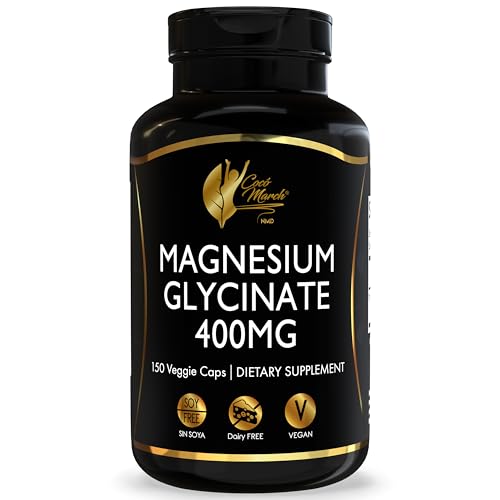
For individuals following vegetarian or vegan diets who are concerned about their magnesium intake, a supplement like magnesium glycinate can be a consideration. As previously discussed, the components of magnesium glycinate are typically compatible with plant-based dietary patterns.
Choosing a Vegan-Friendly Magnesium Glycinate Supplement
When selecting a magnesium glycinate product, especially for those adhering to vegetarian or vegan principles, it is important to review the product label carefully. Look for clear indications such as ‘vegan,’ ‘vegetarian,’ or ‘plant-based’ certifications.
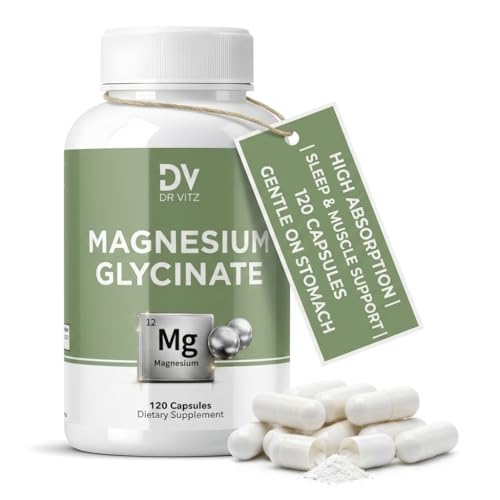
Specifically, check the ‘other ingredients’ list for animal-derived components. Common animal-derived ingredients to watch out for include gelatin (often used in capsules), lactose, and sometimes certain forms of vitamin D3 (cholecalciferol) if not specified as plant-derived. Many reputable supplement brands now explicitly state their products are suitable for vegans and vegetarians, often using vegetable cellulose for capsules.
Reputable manufacturers are increasingly transparent about their sourcing and manufacturing processes. If a product’s vegan status is unclear, contacting the manufacturer directly can provide the necessary clarification. This proactive step helps ensure that the supplement aligns with personal dietary and ethical choices.
Micronutrient Support for Plant-Based Diets in Midlife
Beyond magnesium, women on plant-based diets during midlife and menopause may consider a broader approach to micronutrient support. International expert consensus highlights the importance of micronutrient supplement use during various life stages [6].
For example, ensuring adequate intake of omega-3 fatty acids can be a concern for vegans, as common sources like fish oil are excluded. However, alternative plant sources of omega-3 polyunsaturated fatty acids are available and their effects on lipid indexes and cardiometabolic biomarkers have been reviewed [7].
Similarly, while plant-based diets can be beneficial, attention to adequate intake of all essential nutrients is important for overall well-being, particularly as the body undergoes changes associated with midlife and menopause. Nutritional interventions are recognized in various health contexts, such as the management of fibromyalgia syndrome [8] and for preventing and supporting the healing of pressure ulcers [9], underscoring the general importance of nutrient status.

References
- Health effects of vegan diets. The American journal of clinical nutrition, 2009
- Nutrient Intake and Status in Adults Consuming Plant-Based Diets Compared to Meat-Eaters: A Systematic Review. Nutrients, 2021
- Should dairy be recommended as part of a healthy vegetarian diet? Point. The American journal of clinical nutrition, 2009
- [The role of phytates in human nutrition]. Voprosy pitaniia, 2023
- The influence of vegetarian and vegan diets on the state of bone mineral density in humans. Critical reviews in food science and nutrition, 2023
- International expert consensus on micronutrient supplement use during the early life course. BMC pregnancy and childbirth, 2025
- Beyond Fish Oil Supplementation: The Effects of Alternative Plant Sources of Omega-3 Polyunsaturated Fatty Acids upon Lipid Indexes and Cardiometabolic Biomarkers-An Overview. Nutrients, 2020
- Nutritional Interventions in the Management of Fibromyalgia Syndrome. Nutrients, 2020
- Nutritional interventions for preventing and treating pressure ulcers. The Cochrane database of systematic reviews, 2024
These statements have not been evaluated by the Food and Drug Administration. This information is not intended to diagnose, treat, cure, or prevent any disease. Content is for informational purposes only and is not medical advice; consult a qualified healthcare provider before starting any supplement. As an Amazon Associate we earn from qualifying purchases.
