As women navigate midlife and the menopausal transition, maintaining cardiovascular health often becomes a key consideration. Lifestyle choices, including nutritional intake, play a significant role in supporting overall well-being during this time.
Magnesium, an essential mineral, is involved in numerous bodily functions. This article explores the current understanding of magnesium’s potential role in cardiovascular health, particularly for women during their midlife years, without making medical claims.
Understanding Magnesium’s Role in the Body
Magnesium is a mineral crucial for over 300 enzymatic reactions in the body. These reactions are involved in processes such as muscle and nerve function, blood sugar regulation, and blood pressure maintenance. It also contributes to protein synthesis, bone health, and energy production. Ensuring adequate magnesium intake is a foundational aspect of general health.
While this article focuses on cardiovascular aspects, it’s important to recognize that magnesium’s broad involvement in physiological processes underscores its overall importance. For many, dietary intake might not always meet optimal levels, leading some to consider supplementation.
Magnesium and Blood Pressure Management
Maintaining healthy blood pressure is a significant aspect of cardiovascular well-being, especially as women enter midlife. While magnesium’s direct impact on blood pressure in healthy individuals is an area of ongoing research, its involvement in vascular function is recognized. Some studies have explored magnesium’s potential influence on blood vessel relaxation and overall cardiovascular dynamics.
Research note: A review reports that lower magnesium intake or blood magnesium is linked to hypertension, coronary artery calcification, stroke, ischemic heart disease, atrial fibrillation, heart failure and cardiac mortality (observational associations) [14].
In a pooled analysis of 38 randomized trials, magnesium lowered systolic blood pressure by 2.81 mm Hg and diastolic by 2.05 mm Hg versus placebo, with larger drops in people with hypertension or low magnesium and no statistically significant drop in normotensive groups. In a 24-week trial of 164 overweight or slightly obese adults, magnesium citrate, oxide and sulfate did not change blood pressure or arterial stiffness [11][12].
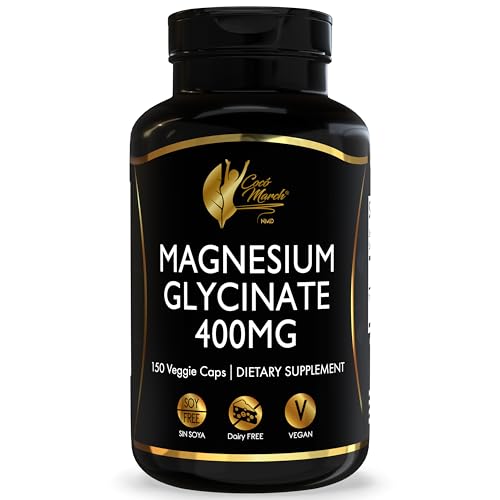
It’s worth noting that while magnesium’s role in general blood pressure regulation is a broad area of study, specific research on magnesium glycinate and its direct impact on blood pressure in midlife women is still developing. However, the importance of magnesium in maintaining normal physiological functions related to the cardiovascular system is widely accepted.
Magnesium and Preeclampsia: A Historical Context
While not directly related to midlife or menopause, the use of magnesium sulfate in managing certain hypertensive disorders of pregnancy is a medical treatment, not evidence that magnesium from food or supplements protects the heart. In a randomized trial of 318 pregnant women, preeclampsia occurred in 18.1% on magnesium citrate and 19.7% on placebo, no significant difference [6][7]. Preeclampsia, a condition characterized by high blood pressure during pregnancy, can have serious implications [1].
Magnesium sulfate has been shown to be effective in managing eclampsia and preventing its recurrence in women with preeclampsia [2]. It is also used in the management of postpartum preeclampsia or eclampsia [3]. This historical and clinical application highlights magnesium’s impact on severe blood pressure-related events, underscoring its profound physiological effects. However, it’s crucial to understand that this specific application is for acute, severe medical conditions and is distinct from general cardiovascular health support in midlife.
Magnesium Glycinate: Absorption and Bioavailability
When considering magnesium supplementation for general well-being, the form of magnesium can influence how well it is absorbed and utilized by the body. Magnesium glycinate is a chelated form, meaning magnesium is bound to the amino acid glycine. This chelation is thought to enhance absorption and reduce the potential for digestive discomfort often associated with other forms of magnesium.

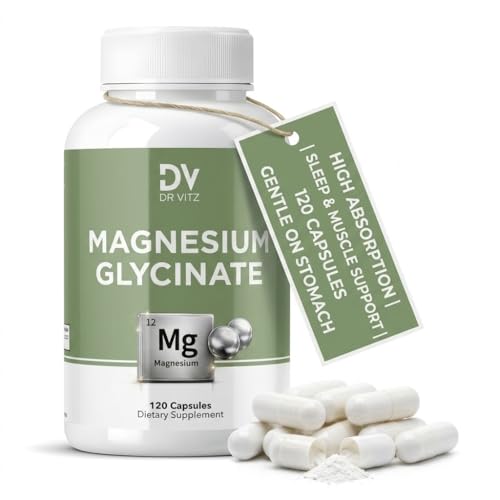
Whether glycinate is absorbed better than other forms is not settled: NIH names aspartate, citrate, lactate and chloride, not glycinate, as better absorbed than oxide, and in a randomized trial citrate gave the highest serum magnesium compared with an amino acid chelate and oxide [8][9][10].
Considering Magnesium for Overall Well-being in Midlife
Beyond specific cardiovascular parameters, adequate magnesium intake contributes to overall well-being, which indirectly supports heart health. For instance, magnesium is involved in energy metabolism and muscle function, which can be relevant for maintaining an active lifestyle [4]. An active lifestyle is a known factor in supporting cardiovascular health.
That said, a meta-analysis found no evidence that magnesium supplements improve muscle fitness in athletes and physically active people, though they may help people who are deficient [13].
Additionally, magnesium has been studied for its potential impact on stress levels. A systematic review examined the impact of various supplements, including magnesium, on stress levels in women [5]. While this research provides a general context for magnesium’s role in well-being, it’s important to remember that stress management is multifaceted and involves various approaches. Supporting general well-being can be a holistic approach to health during midlife.


References
- The global impact of pre-eclampsia and eclampsia. Seminars in perinatology, 2009
- Do women with pre-eclampsia, and their babies, benefit from magnesium sulphate? The Magpie Trial: a randomised placebo-controlled trial. Lancet (London, England), 2002
- Postpartum preeclampsia or eclampsia: defining its place and management among the hypertensive disorders of pregnancy. American journal of obstetrics and gynecology, 2022
- Can Magnesium Enhance Exercise Performance?. Nutrients, 2017
- The impact of essential fatty acid, B vitamins, vitamin C, magnesium and zinc supplementation on stress levels in women: a systematic review. JBI database of systematic reviews and implementation reports, 2017
- Carla Adriane Leal de Araújo et al. Magnesium supplementation and preeclampsia in low-income pregnant women: a randomized double-blind clinical trial. BMC Pregnancy and Childbirth (2020). PMID 32272914
- Maria Makrides et al. Magnesium supplementation in pregnancy. Cochrane Database of Systematic Reviews (2014). PMID 24696187
- NIH Office of Dietary Supplements Magnesium: Fact Sheet for Health Professionals. NIH Office of Dietary Supplements (2026). source
- NIH Office of Dietary Supplements Magnesium: Fact Sheet for Consumers. NIH Office of Dietary Supplements (2026). source
- Walker AF et al. Mg citrate found more bioavailable than other Mg preparations in a randomised, double-blind study. Magnesium research (2003). PMID 14596323
- Argeros Z et al. Magnesium Supplementation and Blood Pressure: A Systematic Review and Meta-Analysis of Randomized Controlled Trials. Hypertension (Dallas, Tex. : 1979) (2025). PMID 41000008
- Joëlle C. Schutten et al. Effects of Magnesium Citrate, Magnesium Oxide, and Magnesium Sulfate Supplementation on Arterial Stiffness: A Randomized, Double‐Blind, Placebo‐Controlled Intervention Trial. Journal of the American Heart Association (2022). PMID 35253448
- Wang R et al. The effect of magnesium supplementation on muscle fitness: a meta-analysis and systematic review. Magnesium research (2017). PMID 29637897
- Nielsen FH The Role of Dietary Magnesium in Cardiovascular Disease. Nutrients (2024). PMID 39683617
These statements have not been evaluated by the Food and Drug Administration. This information is not intended to diagnose, treat, cure, or prevent any disease. Content is for informational purposes only and is not medical advice; consult a qualified healthcare provider before starting any supplement. As an Amazon Associate we earn from qualifying purchases.
