As women move through midlife and menopause, various physiological changes can impact overall well-being. Supporting the body with essential nutrients can be a thoughtful approach during this time. Magnesium glycinate, a well-absorbed form of magnesium, is often considered for its potential role in various bodily functions.
Beyond magnesium, other nutrients may also play important roles. This article explores how magnesium glycinate might be considered alongside other key supplements, drawing on available research to help you make informed decisions about your nutritional support during midlife.
Magnesium Glycinate: A Foundation for Consideration
Magnesium is an essential mineral involved in hundreds of biochemical reactions throughout the body. These reactions include those related to muscle and nerve function, blood glucose management, and blood pressure regulation. Magnesium glycinate is a form of magnesium that is often favored for its good absorption and gentle effect on the digestive system.
While magnesium is crucial on its own, its functions in the body are often interconnected with other vitamins and minerals. Understanding these potential relationships can offer a more holistic perspective on nutritional support, particularly during the dynamic period of midlife and menopause.
Magnesium and Vitamin D: A Potential Partnership
Vitamin D is another vital nutrient, widely recognized for its role in bone health and immune system function. Emerging research suggests that magnesium may play a part in how the body utilizes vitamin D. Some studies have explored the co-supplementation of magnesium and vitamin D, looking at their combined effects on various markers.
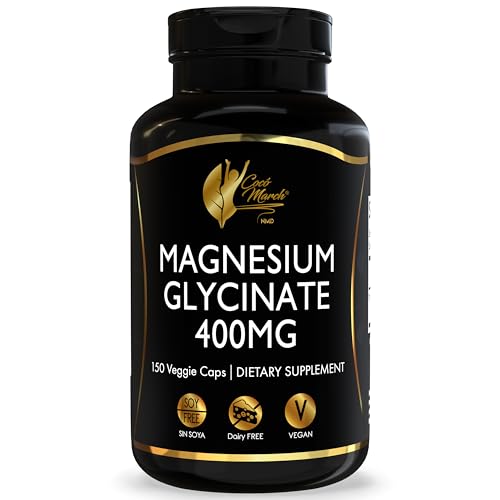
For instance, research involving specific populations has investigated the effects of magnesium and vitamin D supplementation on aspects like mental health status in children [1]. Another study protocol outlined research to examine the effects of vitamin D and/or magnesium supplementation on mood, serum levels of BDNF, inflammatory biomarkers, and SIRT1 in obese women [2]. Further research in obese women with mild to moderate depressive symptoms also explored the effects of vitamin D and/or magnesium supplementation on mood, serum levels of BDNF, inflammation, and SIRT1 [3]. Additionally, a systematic review and meta-analysis considered the effects of magnesium and vitamin D/E co-supplementation on inflammation markers and lipid metabolism in obese/overweight populations [4]. These findings suggest a potential interplay that warrants further investigation, especially for women navigating midlife changes.
Considering Calcium and Zinc with Magnesium and Vitamin D
Calcium, zinc, and vitamin D are often discussed together due to their interconnected roles, particularly in bone health. When considering magnesium glycinate, it’s worth noting that some research has explored the co-supplementation of magnesium, zinc, calcium, and vitamin D. This broader approach acknowledges the complex web of nutrient interactions within the body.
One study, for example, investigated the effects of magnesium-zinc-calcium-vitamin D co-supplementation on biomarkers of inflammation, oxidative stress, and pregnancy outcomes in gestational diabetes [5]. While this research focuses on a specific population, it highlights how these nutrients are often considered together in a comprehensive nutritional strategy. For women in midlife, who may be focusing on bone density and overall resilience, understanding these potential partnerships can be valuable.
Vitamin E: An Antioxidant to Consider
Vitamin E is a fat-soluble antioxidant that helps protect cells from oxidative stress. While direct synergistic studies with magnesium glycinate are still developing, some research has included vitamin E alongside magnesium and vitamin D. This suggests a potential interest in combining these nutrients for broader benefits.
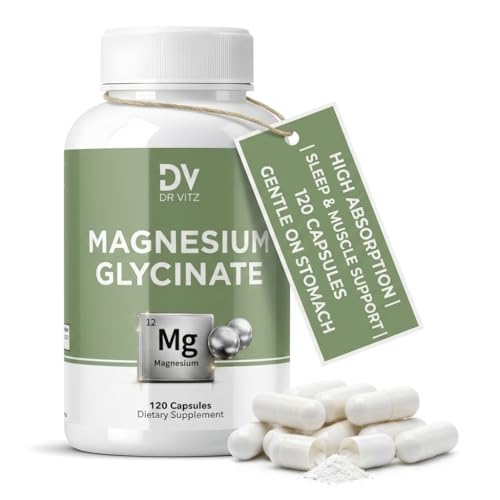
A systematic review and meta-analysis, for example, considered the effects of magnesium and vitamin D/E co-supplementation on inflammation markers and lipid metabolism in obese/overweight populations [4]. This indicates that researchers are exploring combinations that include vitamin E, recognizing its potential contributions to overall health alongside other key nutrients. For women in midlife, supporting cellular health with antioxidants like vitamin E may be a point of interest.
Navigating Nutrient Combinations for Midlife
The journey through midlife and menopause is unique for every woman. While individual nutrients like magnesium glycinate offer specific benefits, considering them as part of a broader nutritional strategy can be beneficial. The interactions between vitamins and minerals are complex, and the body often works best when it has adequate amounts of many essential nutrients.
When exploring nutrient combinations, it’s important to remember that research often focuses on specific populations or health markers. The evidence for synergistic effects of magnesium glycinate with other supplements for general midlife well-being is moderate and continues to evolve. Always prioritize a balanced dietary intake and consult with a healthcare professional before making significant changes to your supplement regimen.

References
- The effect of vitamin D and magnesium supplementation on the mental health status of attention-deficit hyperactive children: a randomized controlled trial. BMC pediatrics, 2021
- Effects of vitamin D and/or magnesium supplementation on mood, serum levels of BDNF, inflammatory biomarkers, and SIRT1 in obese women: a study protocol for a double-blind, randomized, placebo-controlled trial. Trials, 2020
- Randomized study of the effects of vitamin D and/or magnesium supplementation on mood, serum levels of BDNF, inflammation, and SIRT1 in obese women with mild to moderate depressive symptoms. Nutritional neuroscience, 2022
- The effects of magnesium and vitamin D/E co-supplementation on inflammation markers and lipid metabolism of obese/overweight population: a systematic review and meta-analysis. Frontiers in nutrition, 2025
- The effects of magnesium-zinc-calcium-vitamin D co-supplementation on biomarkers of inflammation, oxidative stress and pregnancy outcomes in gestational diabetes. BMC pregnancy and childbirth, 2019
These statements have not been evaluated by the Food and Drug Administration. This information is not intended to diagnose, treat, cure, or prevent any disease. Content is for informational purposes only and is not medical advice; consult a qualified healthcare provider before starting any supplement. As an Amazon Associate we earn from qualifying purchases.
