Navigating perimenopause can bring a range of new experiences, and for some women, an increase in headache frequency or intensity is one of them. Hormonal fluctuations during this time are thought to play a role in changes to headache patterns. Many individuals seek supportive strategies to help manage these shifts.
Magnesium, an essential mineral, has garnered interest for its potential role in headache support. Specifically, magnesium glycinate is a form of magnesium that combines magnesium with the amino acid glycine. This article will explore the current understanding of magnesium’s potential in the context of perimenopausal headaches, focusing on the available evidence.
Understanding Headaches in Perimenopause
Headaches, particularly migraines, can be influenced by hormonal changes throughout a woman’s reproductive life. The fluctuations of estrogen and progesterone during perimenopause are thought to contribute to changes in headache patterns for some individuals [1]. This period can sometimes mark an increase in headache frequency or severity, or a change in their characteristics.
It’s important to recognize that not all headaches are the same, and identifying the type of headache is a key step in understanding potential supportive strategies. While this article focuses on magnesium’s potential role, a comprehensive approach often involves identifying triggers and working with a healthcare provider.
Magnesium’s Role in Headache Support
Magnesium is a vital mineral involved in over 300 enzymatic reactions in the body, playing a role in nerve function, muscle contraction, and energy production [2]. Its broad involvement in physiological processes has led researchers to investigate its potential impact on various health concerns, including headaches.
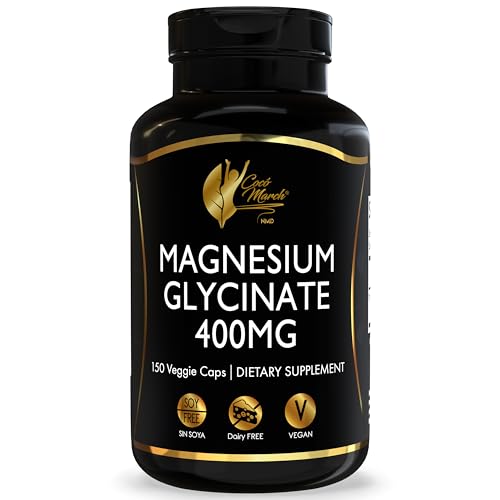
Research suggests that magnesium may play a role in several mechanisms relevant to headaches. These include influencing neurotransmitter release, modulating blood vessel tone, and potentially impacting cortical spreading depression, a phenomenon observed in some migraines. A deficiency in magnesium has been proposed as a potential factor in some headache presentations [3].
Magnesium Glycinate: What is it?
Magnesium glycinate is a chelated form of magnesium, meaning magnesium is bound to the amino acid glycine. This binding is thought to enhance the absorption of magnesium in the digestive tract, potentially making it a well-tolerated option for individuals seeking magnesium support. The glycine component itself may also have calming properties, though research specifically on magnesium glycinate’s unique effects on headaches versus other forms of magnesium is an area of ongoing study.
When considering magnesium supplementation, the form of magnesium can influence its absorption and potential gastrointestinal effects. Magnesium glycinate is often chosen for its generally favorable absorption profile and lower likelihood of causing digestive upset compared to some other forms of magnesium.
Evidence for Magnesium in Headache Prevention
Several studies have explored the use of magnesium for headache prophylaxis. Magnesium supplementation has been recognized as a non-pharmacological approach to migraine prophylaxis [3]. The American Academy of Neurology and the American Headache Society have previously noted magnesium as having moderate efficacy for migraine prevention [2].
While specific research on magnesium glycinate for perimenopausal migraines is still developing, the broader body of evidence on magnesium and headaches suggests a potential benefit. Some healthcare providers consider magnesium supplementation as a supportive option for managing primary headaches, including during periods like pregnancy where other treatment options might be limited [5][6].
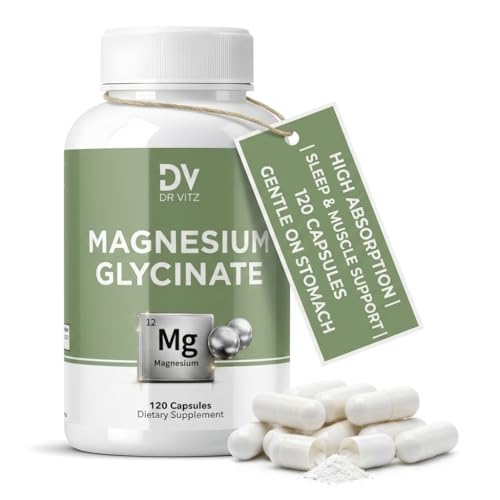
It is important to note that much of the existing research on magnesium for headaches involves various forms of magnesium and different study populations. While intravenous magnesium has been reviewed for chronic pain management [4], oral magnesium supplementation is typically considered for headache prevention. The overall evidence for magnesium’s role in headache prevention is considered moderate, suggesting it may be a helpful consideration for some individuals.
Incorporating Magnesium Glycinate into Your Routine
If considering magnesium glycinate for headache support during perimenopause, discussing this with a healthcare provider is a sensible first step. They can help determine if it is appropriate for your individual needs and advise on suitable dosages. It’s also important to consider your overall dietary magnesium intake, as magnesium is found in various foods such as leafy green vegetables, nuts, seeds, and whole grains.
Establishing a consistent routine and monitoring any changes in headache patterns can help you and your healthcare provider assess the effectiveness of any new supportive strategy. Remember that individual responses to supplements can vary.


References
- Epidemiology and Treatment of Menstrual Migraine and Migraine During Pregnancy and Lactation: A Narrative Review. Headache, 2020
- Therapeutic uses of magnesium. American family physician, 2009
- Non-pharmacological approach to migraine prophylaxis: part II. Neurological sciences : official journal of the Italian Neurological Society and of the Italian Society of Clinical Neurophysiology, 2010
- Intravenous Magnesium for the Management of Chronic Pain:An Updated Review of the Literature. Psychopharmacology bulletin, 2024
- Management of primary headaches during pregnancy, postpartum, and breastfeeding: A systematic review. Headache, 2021
- Migraine treatment in pregnancy: A survey of comfort and treatment practices of women’s healthcare providers. Headache, 2023
These statements have not been evaluated by the Food and Drug Administration. This information is not intended to diagnose, treat, cure, or prevent any disease. Content is for informational purposes only and is not medical advice; consult a qualified healthcare provider before starting any supplement. As an Amazon Associate we earn from qualifying purchases.
