As women navigate midlife and the transition into menopause, they often seek ways to support their well-being. Magnesium, an essential mineral, plays a role in numerous bodily functions. Magnesium glycinate, a form of magnesium bound to the amino acid glycine, is often discussed for its potential ease of absorption.
Understanding the safety profile of any supplement, particularly for long-term use, is a primary concern. This article aims to provide an evidence-based overview of magnesium glycinate safety, focusing on considerations relevant to women in midlife and menopause, without offering medical advice.
What is Magnesium Glycinate?
Magnesium is a vital mineral involved in over 300 enzymatic reactions in the body, impacting nerve and muscle function, blood glucose control, blood pressure regulation, and bone health. Magnesium glycinate is a chelated form, meaning magnesium is bound to glycine, an amino acid. This chelation is thought to influence its absorption and tolerability.
Different forms of magnesium can have varying pharmacokinetic profiles, which describe how the body absorbs, distributes, metabolizes, and excretes a substance [1]. The glycine component in magnesium glycinate is often cited for potentially contributing to its gentle effect on the digestive system compared to some other magnesium forms.

General Safety Profile of Magnesium Supplementation
For generally healthy individuals, magnesium supplementation is typically considered safe when taken within recommended guidelines. The kidneys play a significant role in regulating magnesium levels, excreting excess amounts to help maintain balance. However, individuals with impaired kidney function may have difficulty processing magnesium, potentially leading to accumulation.
Research note: A 1994 review says high oral magnesium doses, besides their laxative action, may bring latent complications that may reduce lifespan [13].
While specific long-term safety data for magnesium glycinate itself are still emerging in extensive human trials, broader research on magnesium supplementation provides valuable insights. Several trials have given magnesium for months in research settings, but they were built to test outcomes such as arterial stiffness, not to establish long-term safety. In a 12-month trial in adults with moderate-to-severe kidney disease, gastrointestinal adverse effects were more common on magnesium hydroxide than placebo (35 vs 9) [7][8].
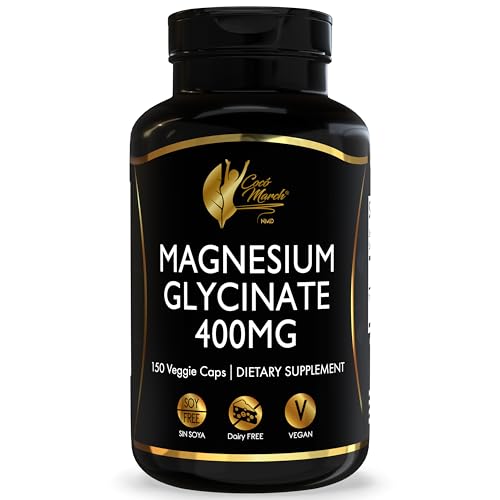
Long-Term Magnesium Supplementation in Research
Research has investigated the effects of long-term magnesium supplementation in adult populations. For instance, a randomized controlled trial in overweight/obese adults found that long-term magnesium supplementation improved arterial stiffness [2]. Another study in overweight/obese adults found no improvement in endothelial function or cardiometabolic risk markers with long-term magnesium supplementation [3].
A post-hoc analysis of an intervention trial suggested that long-term magnesium supplementation could influence glucocorticoid metabolism [4]. These studies highlight that magnesium has been administered over extended periods in research settings, often with careful monitoring for potential effects.
Not every long-term trial found a vascular benefit. In a 24-week trial in 164 overweight or slightly obese adults, magnesium citrate, oxide and sulfate did not change arterial stiffness or blood pressure versus placebo [12].
It’s important to note that these studies typically use magnesium salts, and while magnesium glycinate is a specific form, the general understanding of magnesium’s long-term behavior in the body is informed by such research.

Potential Risks and Considerations for Midlife Women
While magnesium glycinate is generally well-tolerated, some individuals may experience mild gastrointestinal upset, such as diarrhea, especially with higher doses. This is often said to be less common with magnesium glycinate, but NIH lists carbonate, chloride, gluconate and oxide, not glycinate, as the forms most commonly reported to cause diarrhea, which is absence from a list rather than a direct comparison. Individual responses can vary [9].
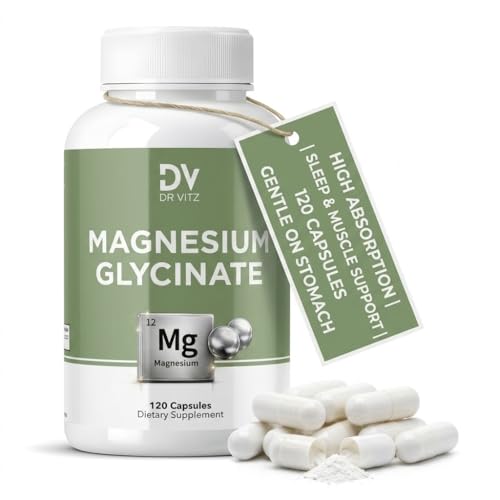
Women in midlife should be particularly aware of potential interactions with medications. Certain medications, such as proton pump inhibitors (e.g., lansoprazole), have been associated with hypomagnesaemia (low magnesium levels) [5]. Therefore, if taking any prescription medications, discussing magnesium supplementation with a healthcare provider is prudent.
Another consideration is the balance of minerals. Long-term supplementation of one mineral can potentially influence the status of others. For example, some research has explored the effects of long-term calcium supplementation on indices of iron, zinc, and magnesium status in lactating women, although it found no significant difference from placebo in those indices [6]. Maintaining a balanced approach to mineral intake is generally recommended.

Dosage and Monitoring
Establishing an appropriate dosage for magnesium supplementation should ideally be done in consultation with a healthcare professional, especially for long-term use. Factors such as dietary intake, existing health conditions, and medication use can influence individual magnesium needs.
The upper limit of 350 mg for adults applies to magnesium from supplements and medications only, not to magnesium naturally in food and drink. Some of the 400 mg products listed here exceed it [9].
While magnesium toxicity is rare in individuals with healthy kidney function, symptoms of high blood magnesium range from nausea, dizziness, weakness and confusion at moderately raised levels to coma and cardiac arrest at very high levels. Toxicity from diet alone has not been reported, but it has followed repeated laxative-strength doses even with normal kidneys [10][11]. Monitoring is less straightforward than it sounds: serum magnesium correlates poorly with total body magnesium, and no single test is considered satisfactory [9].
References
- Pharmacokinetic Analyses of Liposomal and Non-Liposomal Multivitamin/Mineral Formulations. Nutrients, 2023
- Long-term magnesium supplementation improves arterial stiffness in overweight and obese adults: results of a randomized, double-blind, placebo-controlled intervention trial. The American journal of clinical nutrition, 2016
- Effects of long-term magnesium supplementation on endothelial function and cardiometabolic risk markers: A randomized controlled trial in overweight/obese adults. Scientific reports, 2017
- Long-term magnesium supplementation improves glucocorticoid metabolism: A post-hoc analysis of an intervention trial. Clinical endocrinology, 2021
- Lansoprazole-induced hypomagnesaemia. BMJ case reports, 2014
- The effect of long-term calcium supplementation on indices of iron, zinc and magnesium status in lactating Gambian women. The British journal of nutrition, 1996
- Bressendorff I et al. The Effect of Magnesium Supplementation on Vascular Calcification in CKD: A Randomized Clinical Trial (MAGiCAL-CKD). Journal of the American Society of Nephrology : JASN (2023). PMID 36749131
- Papagiannidou A et al. Hypomagnesemia: A Clinical and Nutritional Update. Current nutrition reports (2026). PMID 41872423
- NIH Office of Dietary Supplements Magnesium: Fact Sheet for Health Professionals. NIH Office of Dietary Supplements (2026). source
- Aya Hasan AalHamad et al. Hypermagnesemia in Clinical Practice. Medicina (2023). PMID 37512002
- Martin J. Smilkstein et al. Magnesium levels after magnesium-containing cathartics. Journal of Toxicology Clinical Toxicology (1988). PMID 3385848
- Joëlle C. Schutten et al. Effects of Magnesium Citrate, Magnesium Oxide, and Magnesium Sulfate Supplementation on Arterial Stiffness: A Randomized, Double‐Blind, Placebo‐Controlled Intervention Trial. Journal of the American Heart Association (2022). PMID 35253448
- Durlach J et al. Magnesium and therapeutics. Magnesium research (1994). PMID 7786695
These statements have not been evaluated by the Food and Drug Administration. This information is not intended to diagnose, treat, cure, or prevent any disease. Content is for informational purposes only and is not medical advice; consult a qualified healthcare provider before starting any supplement. As an Amazon Associate we earn from qualifying purchases.
