For women navigating midlife and menopause, understanding the supplements they choose is an important part of supporting their well-being. Magnesium glycinate is a form of magnesium often considered for its potential benefits, and the quality of such supplements can vary significantly.
This article explores key aspects of magnesium glycinate manufacturing and purity. We aim to provide clear, evidence-based information to help you make informed decisions about magnesium glycinate quality.
Why Magnesium Glycinate Quality Matters
The overall quality of any dietary supplement, including magnesium glycinate, can influence its characteristics. Factors such as how a supplement is manufactured, the raw materials used, and the presence of any unintended components can all play a role in the final product. For individuals seeking to support their dietary intake, understanding these elements can be helpful.
Magnesium itself is an essential mineral involved in numerous bodily processes. Its status can influence various aspects of physical performance [1] and has been explored in relation to thyroid health [2]. Given its broad involvement, ensuring the quality of a magnesium supplement like magnesium glycinate becomes an important consideration.


Understanding Manufacturing Processes for Magnesium Glycinate
The manufacturing process for magnesium glycinate typically involves chelating magnesium with the amino acid glycine. This chelation process is intended to create a stable compound. The specific methods and controls used during manufacturing can impact the consistency and integrity of the final product. For instance, in vitro studies have explored how magnesium degradation can affect biological processes at a cellular level [3], highlighting the importance of stable formulations.
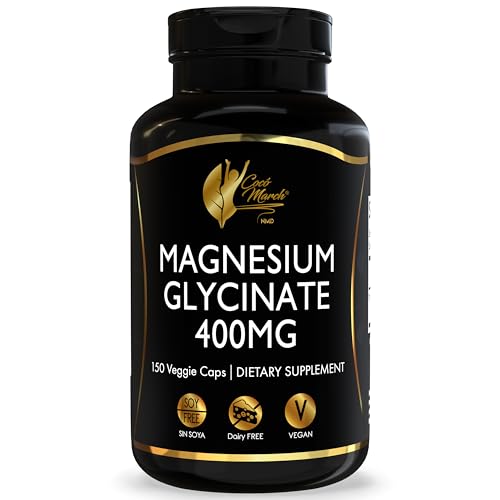
Reputable manufacturers often adhere to Good Manufacturing Practices (GMPs). These practices are a set of guidelines that ensure products are consistently produced and controlled according to quality standards. While not specific to magnesium glycinate, these general standards are designed to minimize risks inherent in any pharmaceutical production that cannot be eliminated through testing the final product. Looking for products from manufacturers who follow these guidelines can be a helpful step in evaluating quality.
The form in which minerals are delivered can also influence their characteristics. Research has examined the pharmacokinetics of various mineral formulations, including liposomal and non-liposomal multivitamin/mineral options, noting differences in how they are processed by the body [4]. While this specific study doesn’t focus on magnesium glycinate, it underscores that the ‘how’ of supplement creation can matter.
Purity and Contaminant Testing
Purity is a critical aspect of magnesium glycinate quality. This refers to the absence of unwanted substances, such as heavy metals, microbes, or other contaminants. High-quality magnesium glycinate should ideally be tested for these impurities to ensure it meets safety standards.
Third-party testing can offer an additional layer of assurance regarding a product’s purity. When a product is tested by an independent laboratory, it can provide an unbiased assessment of its contents and confirm that it contains what the label states and is free from specified contaminants. While not all companies utilize third-party testing, those that do often highlight this as a commitment to quality and transparency.
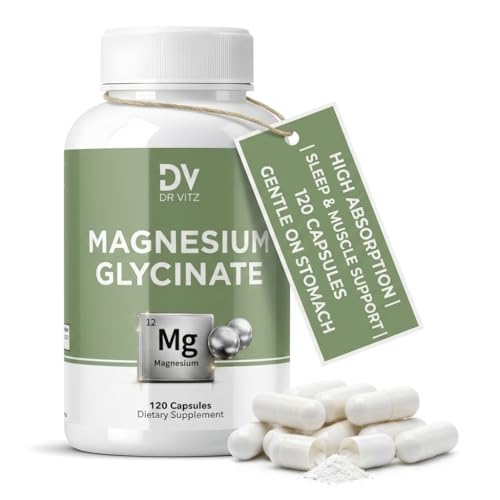
The potential for contaminants is a general concern across many supplements. For example, comprehensive reviews on substances like Shilajit detail the importance of understanding chemical composition and potential impurities [5]. This principle extends to magnesium glycinate; consumers may wish to seek information about how a manufacturer ensures the purity of their product.
Labeling and Transparency
Clear and accurate labeling is another indicator of quality. A transparent label should clearly list all active ingredients, their amounts, and any other components. It should also specify the elemental magnesium content, which is the actual amount of magnesium available for the body to utilize, distinct from the total weight of the magnesium glycinate compound.
Manufacturers committed to quality often provide detailed information about their sourcing, testing protocols, and certifications. This transparency allows consumers to better understand the product they are considering. Guidelines for nutraceuticals and phytoceuticals, such as those from the World Federation of Societies of Biological Psychiatry (WFSBP) and Canadian Network for Mood and Anxiety Treatments (CANMAT), emphasize the importance of evidence and quality in product selection [6]. While these guidelines are focused on psychiatric applications, the underlying principle of seeking well-researched and quality-controlled products is broadly applicable.
References
- Vitamin and mineral status: effects on physical performance. Nutrition (Burbank, Los Angeles County, Calif.), 2004
- Thyroid hormones and minerals in immunocorrection of disorders in autoimmune thyroid diseases. Frontiers in endocrinology, 2023
- An in vitro mechanism study on the proliferation and pluripotency of human embryonic stems cells in response to magnesium degradation. PloS one, 2013
- Pharmacokinetic Analyses of Liposomal and Non-Liposomal Multivitamin/Mineral Formulations. Nutrients, 2023
- A Comprehensive Review on Shilajit: What We Know about Its Chemical Composition. Critical reviews in analytical chemistry, 2025
- Clinician guidelines for the treatment of psychiatric disorders with nutraceuticals and phytoceuticals: The World Federation of Societies of Biological Psychiatry (WFSBP) and Canadian Network for Mood and Anxiety Treatments (CANMAT) Taskforce. The world journal of biological psychiatry : the official journal of the World Federation of Societies of Biological Psychiatry, 2022
These statements have not been evaluated by the Food and Drug Administration. This information is not intended to diagnose, treat, cure, or prevent any disease. Content is for informational purposes only and is not medical advice; consult a qualified healthcare provider before starting any supplement. As an Amazon Associate we earn from qualifying purchases.
