As women navigate midlife and the menopausal transition, maintaining optimal health becomes a key focus. Lifestyle choices, including dietary considerations and nutritional support, can play a role in supporting well-being during these years. Magnesium is an essential mineral involved in numerous bodily functions.
Magnesium glycinate is a form of magnesium often chosen for its bioavailability. While individual responses vary, understanding the potential cumulative impacts of consistent magnesium intake, particularly during significant life stages like menopause, is a common area of interest for women prioritizing their long-term health.
Magnesium’s Role in Overall Physiological Function
Magnesium is a vital micronutrient participating in over 300 enzymatic reactions in the body. Its widespread involvement means it contributes to various physiological processes, from nerve function to muscle contraction and energy production. Ensuring adequate magnesium status is therefore fundamental for general health and well-being.
For women, particularly during midlife and menopause, maintaining sufficient micronutrient levels can be a consideration for healthy aging [1]. Lifestyle genomics research is exploring how micronutrients might influence pathways related to aging, such as those involving the protein Klotho, which has connections to kidney function [2].
Bone Health and Magnesium Glycinate
Bone density naturally declines with age, and women experience a more rapid decrease during and after menopause. While calcium and vitamin D often receive primary attention for bone health, magnesium also plays an important, though less frequently discussed, role. It is involved in bone structure and influences calcium metabolism.
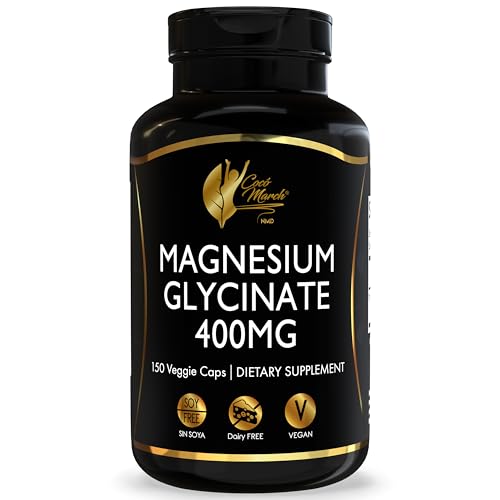
Some research suggests that an imbalance in magnesium status may be associated with increased cardiovascular risk when calcium supplementation is used [3]. This highlights the interconnectedness of various minerals in maintaining overall physiological balance, including aspects relevant to bone and vascular health.
Cardiovascular Support and Magnesium
Cardiovascular health is a significant concern for women in midlife and beyond. Magnesium is known to contribute to various aspects of cardiovascular function, including supporting healthy blood pressure and vascular tone. Its role in muscle relaxation extends to the smooth muscles within blood vessels.
Vascular calcification, the hardening of blood vessels, is a process that can contribute to cardiovascular concerns and is influenced by various factors [4]. Maintaining adequate magnesium levels may be a supportive factor in overall vascular well-being, though more direct research specifically on magnesium glycinate’s long-term impact on vascular calcification in women is still developing.
Sleep Quality and Magnesium’s Calming Potential
Many women report changes in sleep patterns during midlife and menopause, including difficulty falling asleep or staying asleep. Magnesium is involved in neurotransmitter function and can influence the nervous system. The glycine component of magnesium glycinate is an amino acid that may also have calming properties.

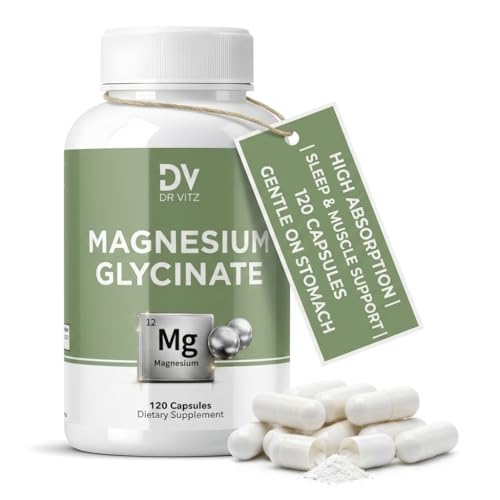
While direct long-term studies specifically on magnesium glycinate’s sustained impact on sleep architecture in menopausal women are ongoing, anecdotal reports and the known physiological roles of both magnesium and glycine suggest a potential for supportive effects on sleep quality over time. Consistent sleep is a cornerstone of overall well-being.
Cellular Health and Healthy Aging
The concept of ‘healthy aging’ encompasses maintaining physical and cognitive function and quality of life as one gets older. Micronutrients, including magnesium, are increasingly being recognized for their broader roles in cellular health and processes related to aging [1].
While much of the research on direct lifespan extension is in animal models, some studies indicate that dietary magnesium supplementation has improved lifespan in a mouse model of progeria, a condition involving premature aging [5]. Additionally, other compounds, such as taurine, have shown consistent evidence from experimental and epidemiological studies regarding their roles in health and diseases, suggesting a broader perspective on nutritional impacts on aging [6]. This highlights the complex interplay of various nutritional factors in supporting cellular resilience over time.

References
- Nutritional Supplements for Healthy Aging: A Critical Analysis Review. American journal of lifestyle medicine, 2025
- Klotho, Kidneys, and Micronutrient Signaling: A Promising Paradigm for Healthy Aging. Lifestyle genomics, 2026
- Decreased magnesium status may mediate the increased cardiovascular risk associated with calcium supplementation. Open heart, 2017
- The molecular biology and pathophysiology of vascular calcification. Postgraduate medicine, 2014
- Dietary magnesium supplementation improves lifespan in a mouse model of progeria. EMBO molecular medicine, 2020
- Taurine in health and diseases: consistent evidence from experimental and epidemiological studies. Journal of biomedical science, 2010
These statements have not been evaluated by the Food and Drug Administration. This information is not intended to diagnose, treat, cure, or prevent any disease. Content is for informational purposes only and is not medical advice; consult a qualified healthcare provider before starting any supplement. As an Amazon Associate we earn from qualifying purchases.
