As women navigate midlife and menopause, various physiological changes can occur, impacting overall well-being. Maintaining balanced bodily functions, including healthy inflammatory responses, becomes increasingly relevant during this time.
Magnesium is an essential mineral involved in numerous bodily processes. This article will explore the potential role of magnesium glycinate in supporting the body’s natural inflammatory pathways and promoting wellness, drawing on available research.
Understanding Inflammation: A Natural Bodily Process
Inflammation is a complex biological response of body tissues to harmful stimuli, such as pathogens, damaged cells, or irritants. It is a vital part of the the body’s defense system and plays a role in healing. However, when inflammatory responses become prolonged or dysregulated, they can contribute to various health challenges.
In midlife, shifts in hormonal balance and other factors can influence the body’s inflammatory state. Supporting healthy inflammatory responses is a key aspect of maintaining overall well-being during this transitional period. Understanding how essential nutrients like magnesium might play a role can be a valuable part of a holistic approach to health.
Magnesium’s Role in Bodily Functions
Magnesium is a mineral that participates in over 300 enzymatic reactions in the body. These reactions are crucial for energy production, muscle and nerve function, blood sugar regulation, and blood pressure maintenance. It also plays a role in protein synthesis, bone health, and DNA and RNA synthesis [1].
Given its widespread involvement in fundamental bodily processes, it is plausible that magnesium could also influence the body’s inflammatory responses. Research continues to explore these intricate connections, providing insights into how this mineral contributes to overall physiological balance.
Magnesium Glycinate: Potential Support for Inflammatory Responses
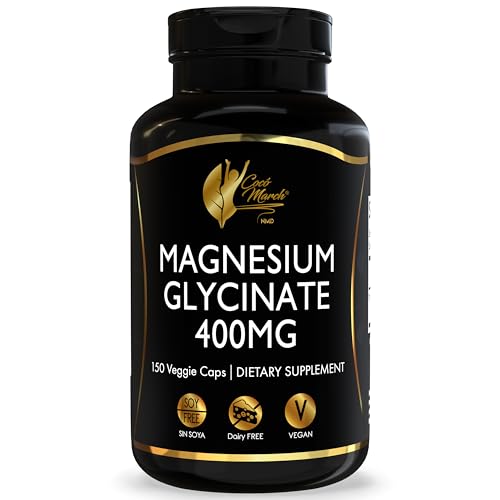
Magnesium glycinate is a form of magnesium where magnesium is bound to the amino acid glycine. This chelated form is often chosen for its potential bioavailability and gentle effect on the digestive system.
While direct research specifically on magnesium glycinate’s anti-inflammatory properties is still developing, some studies on related compounds or magnesium in general offer insights. For instance, magnesium isoglycyrrhizinate has been observed to exhibit anti-inflammatory activity by inhibiting the phospholipase A2/arachidonic acid pathway [2]. This suggests that certain magnesium compounds can influence inflammatory pathways. Additionally, some research indicates that magnesium may play a role in modulating certain inflammatory markers [3].
It’s important to note that the body’s inflammatory responses are complex, and many factors contribute to their regulation. While promising, the evidence supporting magnesium glycinate’s direct impact on inflammation specifically in humans during midlife is still moderate and warrants further investigation. The general understanding of magnesium’s broad physiological roles, however, suggests its indirect importance in maintaining overall cellular health, which can, in turn, influence inflammatory balance.
Beyond Inflammation: Magnesium Glycinate and Overall Midlife Wellness
Beyond its potential influence on inflammatory pathways, magnesium glycinate may offer other benefits relevant to women in midlife. Magnesium has been reviewed for its role in supporting various aspects of neurological health, including depression, migraine, and cognitive function [1]. These are areas where women in midlife may experience changes or challenges.
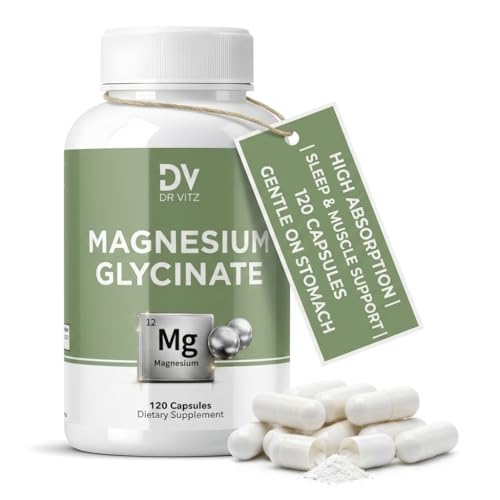
Furthermore, magnesium’s involvement in muscle and nerve function is well-established. Maintaining adequate magnesium levels may contribute to overall comfort and function, which is particularly relevant as the body undergoes changes during menopause. The glycine component of magnesium glycinate also has its own potential benefits, including supporting relaxation and sleep quality, which can indirectly support overall well-being and the body’s ability to manage stress and inflammatory responses.
Incorporating Magnesium Glycinate into a Wellness Routine
For women considering magnesium glycinate to support overall wellness, including healthy inflammatory responses, it’s important to consider it as part of a broader healthy lifestyle. This includes a balanced diet rich in whole foods, regular physical activity, stress management techniques, and adequate sleep.
Magnesium-rich foods include leafy green vegetables, nuts, seeds, legumes, whole grains, and dark chocolate. While dietary intake is foundational, some individuals may choose to use supplements. When considering any supplement, including magnesium glycinate, consulting with a healthcare professional is advisable to determine appropriate dosage and ensure it aligns with individual health needs and existing conditions.

References
- The Role of Magnesium in Depression, Migraine, Alzheimer’s Disease, and Cognitive Health: A Comprehensive Review. Nutrients, 2025
- Anti-inflammatory Activity of Magnesium Isoglycyrrhizinate Through Inhibition of Phospholipase A2/Arachidonic Acid Pathway. Inflammation, 2015
- Ciprofloxacin and levofloxacin attenuate microglia inflammatory response via TLR4/NF-kB pathway. Journal of neuroinflammation, 2019
These statements have not been evaluated by the Food and Drug Administration. This information is not intended to diagnose, treat, cure, or prevent any disease. Content is for informational purposes only and is not medical advice; consult a qualified healthcare provider before starting any supplement. As an Amazon Associate we earn from qualifying purchases.
