Navigating midlife and menopause often involves managing various aspects of health, which may include considering dietary supplements like magnesium glycinate. Magnesium is an essential mineral involved in numerous bodily functions. However, it’s important to be aware that even common supplements can interact with prescribed or over-the-counter medications.
This article aims to provide evidence-based information regarding potential magnesium drug interactions, specifically focusing on magnesium glycinate. Understanding these interactions can help you make more informed decisions about your supplement regimen and promote careful consideration of your overall health plan.
What is Magnesium Glycinate?
Magnesium glycinate is a form of magnesium where magnesium is bound to glycine, an amino acid. This chelated form is often chosen for its potential for good absorption and generally being well-tolerated. Magnesium itself plays a role in nerve function, muscle contraction, and maintaining bone health. It is also considered for its potential involvement in the pathogenesis of migraine [1].
General Considerations for Magnesium Supplementation
Before discussing specific interactions, it’s helpful to understand that magnesium supplements, regardless of the form, can influence the absorption or effects of other substances. This is often due to magnesium’s ability to bind to certain compounds in the digestive tract or affect kidney function, which can alter how medications are processed by the body. Always discussing any supplements you are considering with a healthcare professional is a sensible approach.
Magnesium and Antibiotics
Some types of antibiotics, particularly tetracyclines and fluoroquinolones, can have their absorption reduced when taken concurrently with magnesium supplements. Magnesium can bind to these antibiotics in the gastrointestinal tract, forming complexes that are not easily absorbed into the bloodstream. This can potentially decrease the effectiveness of the antibiotic. Magnesium, calcium and zinc are all documented to interfere with the gastrointestinal absorption of tetracycline antibiotics[2], and for fluoroquinolones this chelation has been reported in 22 to 76 percent of patients prescribed them[3]. Spacing the doses is the standard way to protect absorption, so it is generally advised to separate magnesium glycinate and these antibiotics by several hours. Your healthcare provider can offer specific guidance on timing.
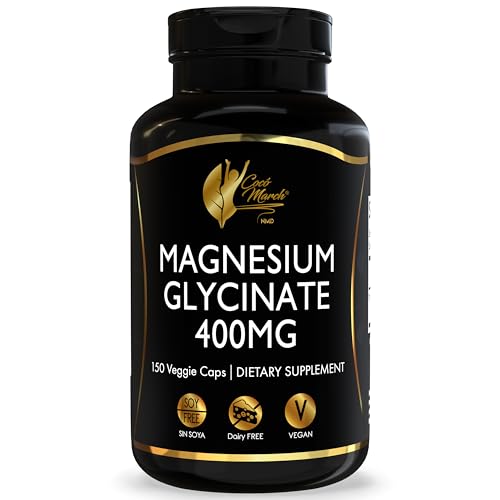
Most of this research was carried out on magnesium-containing antacids rather than on magnesium glycinate specifically, so the exact size of the effect for this particular form has not been measured on its own. The mechanism, however, is chelation between the antibiotic and the magnesium ion[3], which does not depend on which form of magnesium supplies that ion. Treating magnesium glycinate the same way as any other magnesium supplement around these antibiotics is the cautious reading.
Magnesium and Diuretics
Diuretics, often referred to as ‘water pills,’ are medications that help the body eliminate excess fluid. Some types of diuretics, particularly loop and thiazide diuretics, can increase the excretion of magnesium from the body, potentially leading to lower magnesium levels. Conversely, potassium-sparing diuretics may increase magnesium levels. Drug-induced magnesium loss through the kidney is a recognized effect of diuretic therapy[2], and low magnesium is common enough to often go undiagnosed[4]. If you are taking diuretics, monitoring your magnesium levels and discussing supplementation with your healthcare provider is advisable. The interaction here is more about the diuretic affecting magnesium levels rather than magnesium directly interacting with the diuretic’s efficacy in all cases.

Magnesium and Proton Pump Inhibitors (PPIs)
Proton pump inhibitors (PPIs) are medications used to reduce stomach acid. Long-term use of PPIs has been associated with reduced magnesium absorption and, in some cases, low magnesium levels. In a meta-analysis of 16 observational studies covering 131,507 patients, 19.4 percent of PPI users had low magnesium compared with 13.5 percent of non-users[5]. The leading explanation is reduced magnesium solubility and impaired uptake in the intestine rather than losses through the kidney[6]. If you are on long-term PPI therapy, your healthcare provider may recommend monitoring your magnesium levels. Supplementing with magnesium glycinate might be considered in such situations, but it should be done under professional guidance to ensure appropriate dosing and to monitor for any potential effects.
Magnesium and Blood Pressure Medications
Certain blood pressure medications, such as calcium channel blockers, are often raised as a possible interaction, on the reasoning that magnesium relaxes blood vessels and could add to their effect. It is worth being accurate about how large that effect actually is. A meta-analysis of 34 randomized, double-blind, placebo-controlled trials in 2,028 people found that magnesium supplementation at a median 368 mg per day lowered systolic blood pressure by about 2.0 mmHg and diastolic by about 1.8 mmHg[7], and a 24-week randomized trial giving 450 mg per day found no effect on blood pressure or arterial stiffness at all[8]. An average shift of roughly 2 mmHg is small, so a dangerous drop from adding magnesium to blood pressure medication is not what this evidence describes. It is still worth telling your healthcare provider what you are taking, so that any change in your readings is interpreted with the full picture in view.
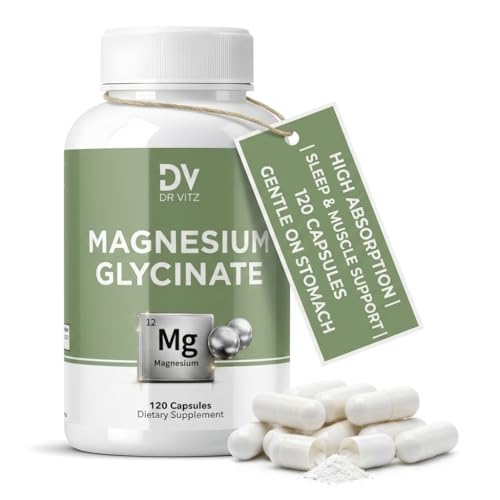
Magnesium and Bisphosphonates
Bisphosphonates are medications used to help manage bone density. Similar to certain antibiotics, magnesium can interfere with the absorption of bisphosphonates from the digestive tract. The margin here is unusually thin: oral alendronate reaches only about 0.76 percent bioavailability even when taken fasting with plain water, and taking it with or shortly after food cut absorption by more than 85 percent, with coffee or orange juice alone reducing it by around 60 percent[9]. Because so little of the dose is absorbed under ideal conditions, anything in the stomach that can bind it matters. To help maximize absorption, it is generally recommended to take bisphosphonates separately from magnesium supplements, often with a gap of several hours. Your prescribing doctor or pharmacist can provide specific timing recommendations.
Magnesium and Migraine Management
Magnesium has been explored for its potential role in migraine management. Research suggests that magnesium may be an important factor in the understanding of migraine [1]. Magnesium supplementation is recognized as an option for migraine headache prophylaxis [10] and is considered among non-pharmacological treatments in pediatric migraine [11]. If you are considering magnesium glycinate for migraine support while also taking prescribed migraine medications, it is important to discuss this with your healthcare provider to understand how they might work together and to monitor for any potential effects.
Magnesium and Kidney Health
For individuals with compromised kidney function, the kidneys may not be able to effectively excrete excess magnesium. This can lead to a buildup of magnesium in the body, which can be a concern. If you have any kidney conditions, it is particularly important to consult with your healthcare provider before taking any magnesium supplement, including magnesium glycinate. Clinically significant magnesium excess is encountered far less often than magnesium deficiency, but when it does occur the presentation can be dramatic[4], which is why reduced kidney function changes the risk calculation for supplementing at all.


References
- Magnesium as an Important Factor in the Pathogenesis and Treatment of Migraine-From Theory to Practice. Nutrients, 2022
- Magnesium and Drugs. Int J Mol Sci, 2019
- Absorption interactions with fluoroquinolones. 1995 update. Drug Saf, 1995
- Magnesium Disorders: Core Curriculum 2024. Am J Kidney Dis, 2024
- Proton pump inhibitors and hypomagnesemia: A meta-analysis of observational studies. Medicine (Baltimore), 2019
- Mechanisms of proton pump inhibitor-induced hypomagnesemia. Acta Physiol (Oxf), 2022
- Effects of Magnesium Supplementation on Blood Pressure: A Meta-Analysis of Randomized Double-Blind Placebo-Controlled Trials. Hypertension, 2016
- Effects of Magnesium Citrate, Magnesium Oxide, and Magnesium Sulfate Supplementation on Arterial Stiffness: A Randomized, Double-Blind, Placebo-Controlled Intervention Trial. J Am Heart Assoc, 2022
- Studies of the oral bioavailability of alendronate. Clin Pharmacol Ther, 1995
- Migraine Headache Prophylaxis. American family physician, 2025
- Non-Pharmacological Treatments in Paediatric Migraine. Journal of clinical medicine, 2024
These statements have not been evaluated by the Food and Drug Administration. This information is not intended to diagnose, treat, cure, or prevent any disease. Content is for informational purposes only and is not medical advice; consult a qualified healthcare provider before starting any supplement. As an Amazon Associate we earn from qualifying purchases.
