For women navigating midlife and menopause, understanding how nutritional supplements interact with medications is a key aspect of informed health management. Magnesium is an essential mineral involved in numerous bodily functions, and magnesium glycinate is a form often chosen for its absorption profile.
However, like many supplements, magnesium can interact with certain prescription medications. Being aware of these potential interactions, particularly with commonly used drug classes such as antibiotics and proton pump inhibitors (PPIs), is important for women to discuss with their healthcare providers.
Magnesium’s Role and Potential for Interactions
Magnesium plays a vital role in maintaining overall health, contributing to bone health, nerve function, and energy production [1]. Given its widespread involvement in physiological processes, it’s understandable that magnesium levels can be influenced by, and in turn influence, various medications. Recognizing these potential interactions is crucial for optimizing both medication effectiveness and magnesium status.
Hypomagnesemia, or low magnesium levels, is a common electrolyte imbalance that can arise from various causes, including certain medications [8][6]. Maintaining adequate magnesium levels, especially during midlife and menopause, is important, and understanding how medications might affect these levels or how magnesium might affect medication absorption is a key consideration [2].
Magnesium Glycinate and Antibiotics: A Focus on Fluoroquinolones
Antibiotics are a class of medications designed to combat bacterial infections. Within this class, fluoroquinolone antibiotics (such as ciprofloxacin and levofloxacin) are known to interact with certain minerals, including magnesium [3]. This interaction typically involves the formation of insoluble complexes in the gastrointestinal tract.
When magnesium, including that from magnesium glycinate, is taken at the same time as fluoroquinolone antibiotics, it can bind to the antibiotic. This binding can reduce the absorption of the antibiotic into the bloodstream, potentially making the medication less effective [2]. To help minimize this interaction, healthcare providers often recommend separating the administration of magnesium supplements and fluoroquinolone antibiotics by several hours.
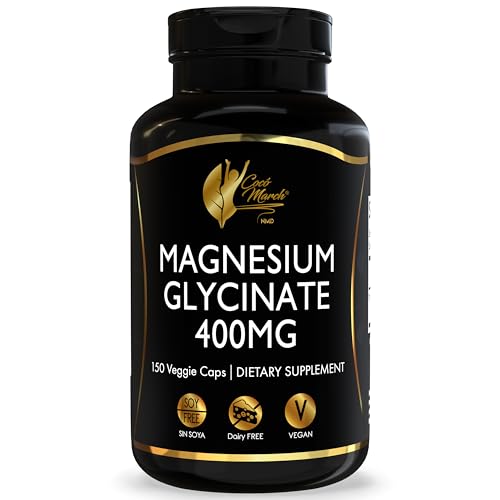
It’s important for women using magnesium glycinate to inform their prescribing doctor or pharmacist about all supplements they are taking, especially if they are prescribed an antibiotic. They can provide specific guidance on appropriate timing to help ensure both the antibiotic and magnesium glycinate can be absorbed effectively.

Proton Pump Inhibitors (PPIs) and Magnesium Levels
Proton pump inhibitors (PPIs) are a group of medications commonly prescribed to reduce stomach acid production. They are frequently used for conditions such as gastroesophageal reflux disease (GERD) and peptic ulcer disease [4]. While effective in managing these conditions, long-term use of PPIs has been associated with potential changes in nutrient absorption, including magnesium [5].

Research indicates that PPIs can contribute to lower magnesium levels in some individuals [7][2]. This is thought to occur because PPIs may interfere with the absorption of dietary magnesium in the gut. For women taking PPIs, especially those on long-term therapy, monitoring magnesium levels and discussing supplementation with a healthcare provider may be a relevant consideration [5].
If a healthcare provider recommends magnesium supplementation while taking a PPI, they may suggest specific timing or dosage adjustments. Magnesium glycinate, being a well-absorbed form, might be considered, but discussion with a healthcare professional is essential to tailor advice to individual needs.
Other Medications and Magnesium Considerations
While antibiotics and PPIs are notable examples, other drug classes can also have interactions with magnesium. For instance, some diuretics, particularly loop and thiazide diuretics, can increase urinary excretion of magnesium, potentially leading to lower body magnesium levels over time [8][2].
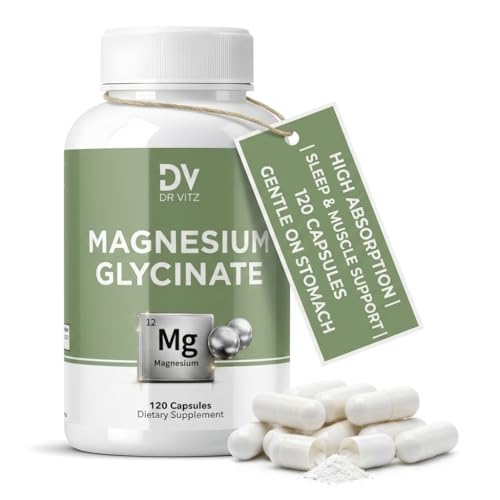
Additionally, certain chemotherapy agents and immunosuppressants can impact magnesium balance [8][2]. Women taking any of these medications should be aware of the potential for altered magnesium levels and discuss this with their healthcare team. Regular monitoring of magnesium levels may be recommended in such cases [6].
It’s also worth noting that medications for bone health, which are sometimes prescribed during menopause, can have complex interactions with mineral metabolism. Magnesium itself is involved in bone health [1], and maintaining adequate levels is generally beneficial, but any concurrent medication use requires careful consideration and professional guidance.
Important Considerations for Midlife Women
Midlife and menopause often bring changes in health needs and medication use. Women in this stage may be taking multiple medications, increasing the likelihood of potential interactions. Therefore, a comprehensive discussion with a healthcare provider about all medications (prescription and over-the-counter) and supplements, including magnesium glycinate, is vital.
It is always recommended to review your complete medication and supplement list with a doctor or pharmacist to identify any potential interactions and to receive personalized advice on timing and dosage. This proactive approach helps to support both the effectiveness of medications and the maintenance of optimal magnesium status.


References
- Magnesium promotes osteogenesis via increasing OPN expression and activating CaM/CaMKIV/CREB1 pathway. Journal of biomedical materials research. Part B, Applied biomaterials, 2022
- Magnesium and Drugs. International journal of molecular sciences, 2019
- The fluoroquinolones. Mayo Clinic proceedings, 1991
- Peptic Ulcer Disease and H. pylori Infection: Common Questions and Answers. American family physician, 2023
- Proton pump inhibitor therapy and potential long-term harm. Current opinion in endocrinology, diabetes, and obesity, 2014
- The Clinical Spectrum of Acquired Hypomagnesemia: From Etiology to Therapeutic Approaches. Biomedicines, 2025
- Interaction of magnesium oxide with gastric acid secretion inhibitors in clinical pharmacotherapy. European journal of clinical pharmacology, 2014
- A comprehensive review of hypomagnesemia. Disease-a-month : DM, 2022
These statements have not been evaluated by the Food and Drug Administration. This information is not intended to diagnose, treat, cure, or prevent any disease. Content is for informational purposes only and is not medical advice; consult a qualified healthcare provider before starting any supplement. As an Amazon Associate we earn from qualifying purchases.
