For women navigating midlife and menopause, understanding how to best incorporate supplements like magnesium glycinate can be a common question. Magnesium is an essential mineral involved in numerous bodily processes, and its chelated form, magnesium glycinate, is often chosen for its potential for good absorption and reduced digestive upset.
A frequent query concerns the optimal timing for taking magnesium glycinate: should it be taken with food, or is an empty stomach preferable for maximum benefit? While specific research on magnesium glycinate and meal timing is limited, we can explore general principles of magnesium absorption and insights from related studies to help inform your decision.
Understanding Magnesium Absorption
Magnesium absorption primarily occurs in the small intestine, with some also happening in the colon [1]. The amount of magnesium absorbed can vary depending on several factors, including the specific form of magnesium, the dose, and individual physiological differences [1][2]. Various magnesium compounds have different absorption profiles [2].
The bioavailability of magnesium, which refers to the proportion of a nutrient that is absorbed and utilized by the body, is a key consideration. Factors influencing this include the solubility of the magnesium compound and the presence of other substances in the digestive tract [1]. For instance, magnesium’s absorption can be influenced by other dietary components [1].
Magnesium glycinate is a chelated form, meaning magnesium is bound to the amino acid glycine. Chelation is sometimes said to enhance mineral absorption, but for magnesium NIH names aspartate, citrate, lactate and chloride, not glycinate, as the better-absorbed forms compared with oxide [10][11]. This specific binding may contribute to its perceived gentleness on the stomach compared to some other magnesium forms.
Magnesium Glycinate and the Empty Stomach Question
When considering taking magnesium glycinate on an empty stomach, the primary concern is often related to potential digestive discomfort. Some forms of magnesium, particularly those that are highly soluble or poorly absorbed, can draw water into the intestines, leading to a laxative effect [1]. However, magnesium glycinate is generally considered to be less likely to cause such issues for many individuals.
Research note: Repletion is hard because most oral magnesium supplements are cathartic at therapeutic doses [9].
The amino acid glycine, to which magnesium is bound in magnesium glycinate, is a small molecule that is readily absorbed [3]. In a small trial of 12 patients with ileal resection, absorption of magnesium from diglycinate chelate and from oxide was similar overall (23.5% vs 22.8%), so more efficient absorption has not been shown [9].
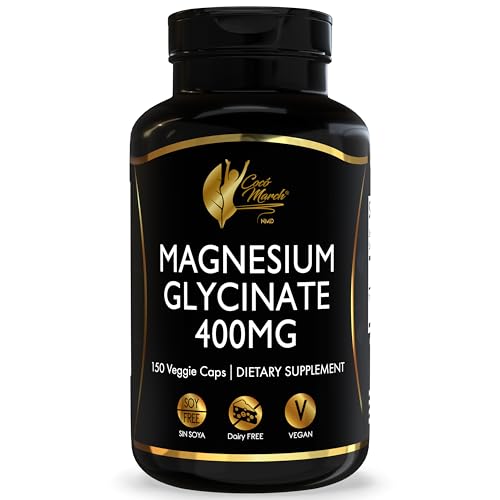
While direct research specifically on magnesium glycinate empty stomach intake is limited, general principles suggest that taking supplements with food can sometimes buffer potential stomach upset. For some individuals, taking any supplement on an empty stomach might lead to mild nausea or discomfort, even with generally well-tolerated forms like magnesium glycinate. However, there is no strong evidence to suggest that taking magnesium glycinate on an empty stomach significantly impairs its absorption for most people. Studies of other minerals do not show how food affects magnesium glycinate absorption.
Taking Magnesium Glycinate With Food: Potential Considerations
Taking magnesium glycinate with food is a common practice and may be preferred by many. Food can provide a buffer in the stomach, which might be helpful for individuals who experience sensitivity or mild digestive upset when taking supplements without a meal. This approach can also simply be a matter of convenience, making it easier to remember to take the supplement as part of a routine.
Certain dietary components can influence magnesium absorption. For example, some fibers, like inulin-type fructans, have been shown to potentially enhance mineral absorption, including magnesium, in some contexts [8][1]. However, other components, such as phytates found in grains and legumes, or oxalates in certain vegetables, can bind to minerals and potentially reduce their absorption, though this effect is often dose-dependent and less significant with moderate intake [1].
For women in midlife and menopause, maintaining adequate magnesium levels is important as magnesium plays a role in bone health, energy metabolism, and muscle function [4]. The goal is consistent absorption, and whether that occurs with or without food may depend on individual tolerance and preference rather than a strict rule for magnesium glycinate.
Factors Influencing Magnesium Absorption Beyond Meal Timing
Beyond whether it’s taken with or without food, several other factors can influence how well magnesium is absorbed. Age can play a role, as older adults may have altered digestive function that impacts nutrient absorption [4]. Certain health conditions, such as inflammatory bowel diseases, can also affect nutrient absorption, including magnesium [5].

The specific dose of magnesium taken at one time can also impact absorption. Higher doses of magnesium may lead to a lower percentage of absorption compared to smaller, more frequent doses [2]. This is because the intestinal transport mechanisms for magnesium can become saturated [1][2].
The overall nutritional status and individual needs for magnesium can also influence absorption. If the body has a greater need for magnesium, it may absorb it more efficiently [1]. Therefore, while meal timing is a consideration, it is one of many factors contributing to overall magnesium status.
Practical Recommendations: What the Limited Evidence Suggests
Based on the currently available, limited evidence, there is no definitive rule stating that magnesium glycinate must be taken strictly with or without food for optimal absorption. The most important factor appears to be consistent intake and individual tolerance. Magnesium glycinate is generally considered to be a well-tolerated form of magnesium, making it a suitable choice for many individuals [6].
If you find that taking magnesium glycinate on an empty stomach causes any mild digestive discomfort, taking it with a meal or a small snack may help alleviate these effects. Conversely, if you experience no issues taking it on an empty stomach, there is no strong evidence to suggest you need to change this practice.
For women experiencing midlife and menopausal symptoms where magnesium supplementation might be considered, such as supporting sleep quality, the 46-person trial in older adults with insomnia gave 500 mg daily for 8 weeks and did not test meal timing, so consistent daily use and personal tolerance are the practical guide [7]. Listening to your body and choosing a routine that you can comfortably maintain is likely the most practical approach.


References
- Intestinal Absorption and Factors Influencing Bioavailability of Magnesium-An Update. Current nutrition and food science, 2017
- Dose-Dependent Absorption Profile of Different Magnesium Compounds. Biological trace element research, 2019
- Pharmacokinetics of thiamphenicol glycinate and its active metabolite by single and multiple intravenous infusions in healthy Chinese volunteers. Xenobiotica; the fate of foreign compounds in biological systems, 2014
- Magnesium in Aging, Health and Diseases. Nutrients, 2021
- Nutritional Status and Its Detection in Patients with Inflammatory Bowel Diseases. Nutrients, 2023
- Comparative Clinical Study on Magnesium Absorption and Side Effects After Oral Intake of Microencapsulated Magnesium (MAGSHAPE(TM) Microcapsules) Versus Other Magnesium Sources. Nutrients, 2024
- The effect of magnesium supplementation on primary insomnia in elderly: A double-blind placebo-controlled clinical trial. Journal of research in medical sciences : the official journal of Isfahan University of Medical Sciences, 2012
- The Prebiotic Potential of Inulin-Type Fructans: A Systematic Review. Advances in nutrition (Bethesda, Md.), 2022
- Schuette SA et al. Bioavailability of magnesium diglycinate vs magnesium oxide in patients with ileal resection. JPEN. Journal of parenteral and enteral nutrition (1994). PMID 7815675
- NIH Office of Dietary Supplements Magnesium: Fact Sheet for Consumers. NIH Office of Dietary Supplements (2026). source
- NIH Office of Dietary Supplements Magnesium: Fact Sheet for Health Professionals. NIH Office of Dietary Supplements (2026). source
These statements have not been evaluated by the Food and Drug Administration. This information is not intended to diagnose, treat, cure, or prevent any disease. Content is for informational purposes only and is not medical advice; consult a qualified healthcare provider before starting any supplement. As an Amazon Associate we earn from qualifying purchases.
