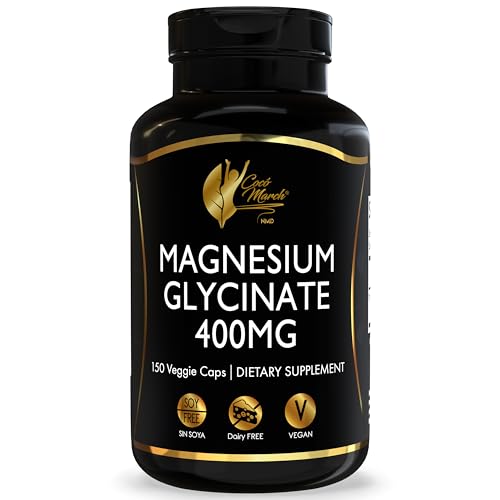
Magnesium is an essential mineral involved in numerous bodily functions. When considering magnesium supplementation, the form of magnesium can influence how well it is absorbed and utilized by the body. Magnesium glycinate is a compound where magnesium is bound to the amino acid glycine.
Understanding how magnesium glycinate works within your system involves looking at its absorption profile and the fundamental roles magnesium plays in cellular activities. This article will delve into the science behind this specific magnesium form.
Magnesium Absorption and Bioavailability
The effectiveness of any magnesium supplement begins with its absorption, or bioavailability, which refers to the proportion of a substance that enters the circulation when introduced into the body and is able to have an active effect. Different forms of magnesium can have varying absorption profiles. Research indicates that magnesium compounds can exhibit dose-dependent absorption [1]. This means that the amount of magnesium absorbed can sometimes be related to the dose taken.
Magnesium glycinate is often noted for its absorption characteristics. One study compared the bioavailability of magnesium diglycinate (a form of magnesium glycinate) to magnesium oxide in individuals who had undergone ileal resection. The findings suggested that magnesium diglycinate had higher bioavailability compared to magnesium oxide in this specific population [2]. This indicates that the glycine component may play a role in facilitating magnesium uptake.
The chelated nature of magnesium glycinate, where magnesium is bound to glycine, is thought to contribute to its absorption. This chelation may help magnesium pass through the digestive system more effectively, potentially reducing common digestive discomforts associated with other forms of magnesium that are not as readily absorbed. Once absorbed, magnesium enters the bloodstream and becomes available for various physiological processes throughout the body.

Magnesium’s Role in Cellular Energy Production
Magnesium is a crucial cofactor in many enzymatic reactions, including those involved in energy production. Adenosine triphosphate (ATP), often referred to as the ‘energy currency’ of the cell, must bind to magnesium to be biologically active [3]. This magnesium-ATP complex is essential for energy-dependent processes in cells across the body.
Without sufficient magnesium, the body’s ability to produce and utilize ATP effectively could be impacted. This fundamental role means magnesium is indirectly involved in nearly every metabolic process requiring energy, from muscle contraction to nerve signal transmission. Therefore, ensuring adequate magnesium levels supports the foundational energy infrastructure of cells.
Magnesium and Nerve Signal Transmission
Magnesium plays a significant role in nerve function and communication. It acts as a natural calcium channel blocker, helping to regulate the flow of calcium into nerve cells. Calcium influx is critical for nerve excitation, and magnesium helps to modulate this process, contributing to balanced nerve activity [4].

Furthermore, magnesium is involved in regulating N-methyl-D-aspartate (NMDA) receptors, which are important for learning and memory [5]. Magnesium can modulate the affinity of NMDA receptors for glycine in murine hippocampal neurons [6]. By influencing these receptors, magnesium contributes to the healthy functioning of the nervous system.
The Role of Glycine in Magnesium Glycinate
Beyond its role in facilitating magnesium absorption, glycine, the amino acid component in magnesium glycinate, has its own biological functions. Glycine is an inhibitory neurotransmitter in the central nervous system. This means it can help to calm overactive nerve signals. While the primary purpose of glycine in magnesium glycinate is to enhance magnesium’s absorption, the presence of glycine may also contribute to the overall experience of taking this supplement.

When magnesium is chelated with glycine, it creates a larger molecule that is less likely to interact with other substances in the gut, which can sometimes interfere with absorption. This chelation helps magnesium bypass some of the typical pathways that might limit absorption for other forms of magnesium, allowing for more efficient delivery into the bloodstream.
Magnesium’s Interplay with Other Nutrients
Magnesium does not work in isolation; it interacts with other vitamins and minerals in the body. For example, magnesium is essential for the activation of vitamin D, meaning that even if you are supplementing with vitamin D, it may not be fully utilized without adequate magnesium [7].
Research has explored the combined effects of magnesium and vitamin D supplementation. One study indicated that combined magnesium and vitamin D supplementation did not influence markers of bone turnover or glycemic control [8]. Another study found that combined magnesium and vitamin D supplementation affected vitamin D status, systemic inflammation, and blood pressure [7]. These findings highlight the complex interactions between essential nutrients and the importance of a balanced nutritional status.
References
- Dose-Dependent Absorption Profile of Different Magnesium Compounds. Biological trace element research, 2019
- Bioavailability of magnesium diglycinate vs magnesium oxide in patients with ileal resection. JPEN. Journal of parenteral and enteral nutrition, 1994
- Caloric catastrophe. Biophysical journal, 1973
- Chemical calcium indicators. Methods (San Diego, Calif.), 2008
- Neurobiology. Taking apart NMDA receptors. Nature, 1987
- Modulation by magnesium of the affinity of NMDA receptors for glycine in murine hippocampal neurones. The Journal of physiology, 1995
- The effect of combined magnesium and vitamin D supplementation on vitamin D status, systemic inflammation, and blood pressure: A randomized double-blinded controlled trial. Nutrition (Burbank, Los Angeles County, Calif.), 2022
- Combined vitamin D and magnesium supplementation does not influence markers of bone turnover or glycemic control: A randomized controlled clinical trial. Nutrition research (New York, N.Y.), 2023
These statements have not been evaluated by the Food and Drug Administration. This information is not intended to diagnose, treat, cure, or prevent any disease. Content is for informational purposes only and is not medical advice; consult a qualified healthcare provider before starting any supplement. As an Amazon Associate we earn from qualifying purchases.
