Navigating midlife and menopause brings many considerations for overall well-being. For women who consume alcohol, understanding its potential impact on essential nutrients, like magnesium, can be a valuable part of supporting health. This article explores the current understanding of how alcohol consumption may influence magnesium levels in the body.
Magnesium is a vital mineral involved in numerous bodily functions. We’ll look at the evidence regarding magnesium and alcohol consumption, discussing why maintaining adequate magnesium levels might be particularly relevant for those who include alcohol in their lifestyle, and how magnesium glycinate may fit into a supportive approach.
The Role of Magnesium in the Body
Magnesium is a mineral that plays a fundamental role in over 300 enzymatic reactions throughout the body [1]. These processes are involved in energy production, muscle function, nerve transmission, and maintaining a healthy heart rhythm. It also contributes to bone health and the regulation of blood sugar levels [1]. Given its widespread involvement, adequate magnesium levels are important for overall physiological function.
For women in midlife and menopause, maintaining optimal magnesium levels can be particularly relevant as the body undergoes various changes. Supporting these fundamental processes with sufficient magnesium is a component of general well-being.
How Alcohol May Affect Magnesium Levels
Research indicates a significant link between alcohol consumption and magnesium status. Studies have shown that individuals with alcohol addiction often exhibit magnesium deficiency [2]. This deficiency can be attributed to several factors. Alcohol can increase the excretion of magnesium through the kidneys, leading to greater losses from the body [3].
Furthermore, alcohol consumption may interfere with the absorption of magnesium from the diet in the digestive tract [3]. Over time, these combined effects — increased excretion and potentially reduced absorption — can contribute to lower magnesium levels. The impact appears to be dose-dependent, meaning higher or more frequent alcohol intake may have a more pronounced effect on magnesium status [3].
It’s important to understand that even moderate alcohol consumption might influence nutrient balance, though the effects are often more pronounced in cases of chronic or heavy intake. The evidence suggests a clear connection between magnesium alcohol consumption and the body’s magnesium reserves [PMID 1844558, PMID 7836619].
Potential Implications of Low Magnesium with Alcohol Consumption
When magnesium levels are suboptimal, especially in the context of alcohol consumption, various bodily functions can be affected. Low magnesium can contribute to issues such as muscle weakness, tremors, and fatigue [4]. It may also impact neurological function, with some research suggesting a link between magnesium deficiency and certain mood disturbances [PMID 27910808, PMID 16542786].
In more severe cases associated with chronic heavy alcohol intake, profound magnesium deficiency is sometimes observed as part of complex syndromes like Wernicke-Korsakoff Syndrome, which affects the brain [5]. While this is at the extreme end of the spectrum, it highlights the critical role magnesium plays in neurological health and the potential for alcohol to disrupt this balance [5].
For women navigating midlife, who may already experience changes in sleep patterns, mood, or energy, addressing potential nutrient imbalances, including magnesium, can be a supportive measure. Maintaining healthy magnesium levels may contribute to overall resilience.
Magnesium Glycinate Supplementation and Alcohol
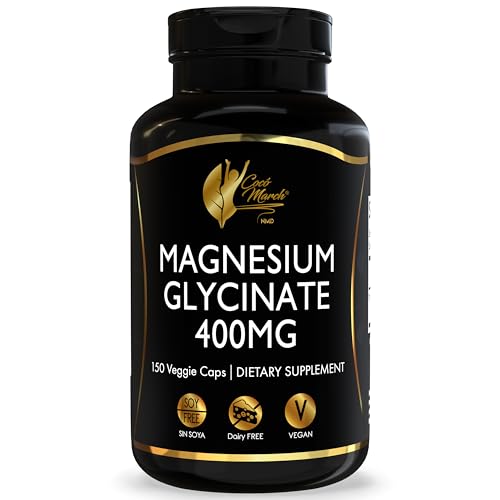
Given the potential for alcohol to deplete magnesium, some individuals may consider magnesium supplementation. Magnesium glycinate is a form of magnesium bound to the amino acid glycine. This chelated form is generally well-tolerated and is recognized for its bioavailability, meaning the body can absorb and utilize it effectively [6].
For individuals whose magnesium levels may be impacted by alcohol consumption, supplementation with a bioavailable form like magnesium glycinate could be a way to help support adequate magnesium status. One study involving individuals with alcohol addiction found that oral magnesium supplementation improved metabolic variables and muscle strength [7]. While this specific study focused on a population with significant alcohol use, it underscores the potential benefits of addressing magnesium deficiency in contexts where alcohol is a factor.
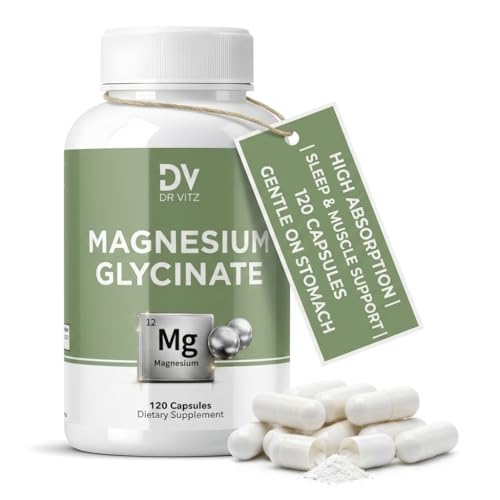
It is important to remember that supplementation is intended to complement a balanced diet and healthy lifestyle, not replace them. For women in midlife, selecting a magnesium form that is gentle on the digestive system, like magnesium glycinate, can be a practical consideration.
Sensible Approaches to Magnesium and Alcohol Consumption
For women who consume alcohol, being mindful of magnesium intake is a sensible health practice. This involves prioritizing magnesium-rich foods in the diet, such as leafy greens, nuts, seeds, whole grains, and legumes. These dietary sources provide magnesium along with other beneficial nutrients.
If considering magnesium supplementation, particularly if you regularly consume alcohol, discussing this with a healthcare professional is always advisable. They can offer personalized guidance based on your individual health profile and dietary habits. While magnesium glycinate is a generally well-tolerated option, determining the appropriate dosage and ensuring it aligns with your overall health plan is important.
Ultimately, understanding the connection between magnesium alcohol consumption and proactively supporting your nutrient levels can be a valuable part of a holistic approach to well-being during midlife and menopause.
References
- Magnesium biology. Nephrology, dialysis, transplantation : official publication of the European Dialysis and Transplant Association – European Renal Association, 2024
- Magnesium deficiency in alcohol addiction and withdrawal. Magnesium and trace elements, 1991
- Magnesium deficiency and alcohol intake: mechanisms, clinical significance and possible relation to cancer development (a review). Journal of the American College of Nutrition, 1994
- The effect of magnesium supplementation on muscle fitness: a meta-analysis and systematic review. Magnesium research, 2017
- A Clinician’s View of Wernicke-Korsakoff Syndrome. Journal of clinical medicine, 2022
- Dose-Dependent Absorption Profile of Different Magnesium Compounds. Biological trace element research, 2019
- Oral magnesium supplementation improves metabolic variables and muscle strength in alcoholics. Alcoholism, clinical and experimental research, 1992
These statements have not been evaluated by the Food and Drug Administration. This information is not intended to diagnose, treat, cure, or prevent any disease. Content is for informational purposes only and is not medical advice; consult a qualified healthcare provider before starting any supplement. As an Amazon Associate we earn from qualifying purchases.
