Brain fog during perimenopause is one of the most disorienting symptoms women describe, the sense of reaching for a word that will not come, walking into a room and forgetting why, or losing the thread of a conversation mid-sentence. Magnesium glycinate is the form most associated with this site’s coverage of sleep and calm, but a different compound, magnesium L-threonate, has been developed with the aim of raising magnesium levels inside brain tissue rather than just the bloodstream, although the evidence for that comes from rats [1].
This article looks at what makes magnesium L-threonate structurally different from glycinate, what the underlying research actually measured, and where the evidence stops and marketing claims begin.
This article may contain affiliate links. If you purchase through these links, we may earn a commission at no additional cost to you.
What Magnesium L-Threonate Is
Magnesium L-threonate is a compound formed by binding magnesium to threonic acid, a metabolite of vitamin C. It is most commonly sold under the branded ingredient name Magtein. The compound was developed by researchers at MIT and Tsinghua University who were looking for a magnesium delivery form that could meaningfully raise magnesium concentrations in cerebrospinal fluid. In rats, raising brain magnesium with this compound led to better learning and memory[1]. The studies cited here do not show that it raises brain magnesium in people, or that other oral forms such as glycinate raise it less [1].
What the Foundational Research Showed
The 2010 study that introduced magnesium L-threonate compared it against magnesium chloride in rodents and found that only the threonate-bound form raised magnesium levels in cerebrospinal fluid meaningfully, alongside improvements in measures of learning, working memory, and short and long term memory [1]. The researchers linked this to increased density of synaptic connections in memory-related regions of the hippocampus.
Two small Magtein trials found some benefits and some nulls, and both were funded by the supplier
1 g/day for 21 days vs placebo
Adults aged 35-55 with self-assessed sleep problems took magnesium L-threonate or placebo. Oura ring data showed better deep sleep and REM sleep scores (p < 0.05).
AIDP Inc., the Magtein supplier
The first trial was funded by AIDP Inc.
Mixed results
Adults aged 18 to 45 with dissatisfied sleep: no group difference on the Raven's test (p = 0.953) or in sleep outcomes from the ring. Overall cognition on the NIH Total Cognition Composite was better (p = 0.043).
Threotech Inc., which supplied the IP
The second trial was funded by Threotech Inc., which also provided the intellectual property.
Magtein has promising but limited human data, from trials funded by the companies that sell it.
Two randomized, double-blind, placebo-controlled trials of Magtein. Source: Hausenblas et al., Sleep Medicine: X 2024; Lopresti et al., Frontiers in Nutrition 2025.
Embed this chart
Free to reuse on your site. Copy the code below; please keep the credit link.
Research note: In mice, magnesium citrate raised muscle and brain magnesium levels regardless of dose [9].
A later human trial in healthy adults using a Magtein-based formula reported improvements in all subcategories of a clinical memory test and in overall memory scores compared to placebo after roughly a month [2]. This is one of the few controlled human trials on the ingredient, and while promising, it involved a proprietary blended formula rather than magnesium L-threonate in isolation, which makes it harder to know how much of the effect came from magnesium L-threonate specifically versus the other ingredients in the blend.
That blend, Magtein PS, also contained phosphatidylserine and vitamins C and D, and the trial in 109 healthy Chinese adults was funded by Wu-xi Magtein Bioscience. A separate Magtein trial in 100 adults with poor sleep, funded by Threotech Inc., found no group difference on the Raven’s test, and its sleep-tracking ring showed no group difference in sleep outcomes [2][5].
How It Differs From Magnesium Glycinate
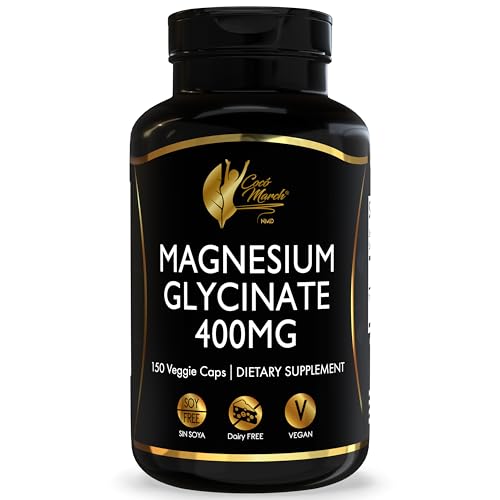
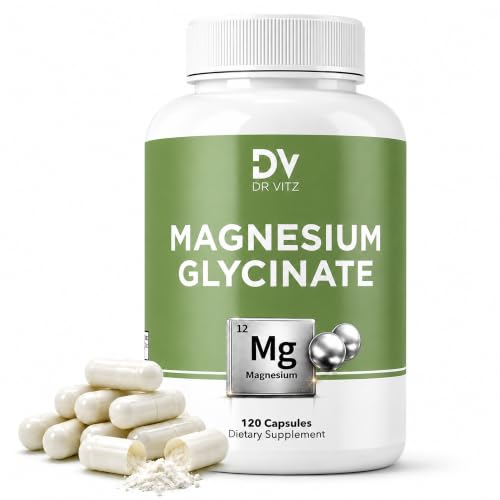
Magnesium glycinate is bound to the amino acid glycine, and is often described as gentle on the digestive system. NIH does not list glycinate among the forms most commonly reported to cause diarrhea, but it also does not name glycinate among the better absorbed forms, which it gives as aspartate, citrate, lactate and chloride [6][7]. Its research base is centered on sleep quality, anxiety, and general magnesium repletion, the areas covered elsewhere on this site, although reviewers rated the quality of the evidence for anxiety as poor [8].
Magnesium L-threonate’s research focus is narrower and more specific: cognitive performance and brain magnesium levels, rather than sleep or mood broadly. The two are not interchangeable for the same purpose. Both forms have small sleep trials: magnesium bisglycinate gave a modest benefit in 155 adults with poor sleep, and the L-threonate sleep trials were funded by the supplier. For cognitive clarity the L-threonate evidence is more direct, but it is early, and the human Magtein trials found here were funded by the makers of Magtein [3][4][5][2].
What the Research Does Not Establish
It is worth being direct about the limits here. The animal data is the strongest part of the evidence base. The human data is limited to a small number of trials, often using proprietary blends rather than isolated magnesium L-threonate, and none of the available human research was conducted specifically in perimenopausal women experiencing brain fog. Extrapolating from healthy adult cognitive trials to menopause-related brain fog is a reasonable hypothesis, not a proven outcome.
Practical Considerations
Magnesium L-threonate supplements typically require a larger capsule count than glycinate to deliver a comparable elemental magnesium dose, since threonate contributes a larger share of the compound’s total weight. Cost per elemental milligram is also meaningfully higher than glycinate. Anyone considering a switch or an addition should factor in both of these before assuming L-threonate is simply a stronger version of what they are already taking.
Frequently Asked Questions
Can I take magnesium L-threonate and magnesium glycinate together?
Some people do combine a smaller L-threonate dose targeted at cognitive support with a glycinate dose targeted at sleep, but total elemental magnesium intake across all sources should stay within a sensible daily range. Talk to a healthcare provider before combining supplement forms, particularly if you take other medications.
Is magnesium L-threonate better than glycinate for brain fog?
It has a more directly relevant research focus, but the human evidence base is still small. Neither form has been studied specifically in perimenopausal brain fog, so better is not a settled question.
How long does it take to notice an effect?
The human trial referenced above measured outcomes after roughly a month. Anecdotal reports online vary widely, and there is no clinical data establishing a reliable onset window.
Does magnesium L-threonate cause digestive side effects?
Digestive tolerability of magnesium L-threonate has not been compared head to head with other forms in the studies cited here. Across magnesium supplements, high doses most often cause diarrhea, sometimes with nausea and cramping [6].
Is Magtein the only source of magnesium L-threonate?
Magtein is the patented, most-studied branded ingredient. Generic magnesium L-threonate exists but has not been directly tested in the published human trials referenced here.


References
- Enhancement of learning and memory by elevating brain magnesium. Neuron, 2010
- A Magtein, Magnesium L-Threonate, Based Formula Improves Brain Cognitive Functions in Healthy Chinese Adults. Nutrients, 2022
- Schuster J et al. Magnesium Bisglycinate Supplementation in Healthy Adults Reporting Poor Sleep: A Randomized, Placebo-Controlled Trial. Nature and science of sleep (2025). PMID 40918053
- Hausenblas HA et al. Magnesium-L-threonate improves sleep quality and daytime functioning in adults with self-reported sleep problems: A randomized controlled trial. Sleep medicine: X (2024). PMID 39252819
- Lopresti AL et al. The effects of magnesium L-threonate (Magtein®) on cognitive performance and sleep quality in adults: a randomised, double-blind, placebo-controlled trial. Frontiers in nutrition (2025). PMID 41601871
- NIH Office of Dietary Supplements Magnesium: Fact Sheet for Health Professionals. NIH Office of Dietary Supplements (2026). source
- NIH Office of Dietary Supplements Magnesium: Fact Sheet for Consumers. NIH Office of Dietary Supplements (2026). source
- Boyle NB et al. The Effects of Magnesium Supplementation on Subjective Anxiety and Stress-A Systematic Review. Nutrients (2017). PMID 28445426
- Ates M et al. Dose-Dependent Absorption Profile of Different Magnesium Compounds. Biological trace element research (2019). PMID 30761462
These statements have not been evaluated by the FDA. This product is not intended to diagnose, treat, cure, or prevent any disease.
These statements have not been evaluated by the Food and Drug Administration. This information is not intended to diagnose, treat, cure, or prevent any disease. Content is for informational purposes only and is not medical advice; consult a qualified healthcare provider before starting any supplement. As an Amazon Associate we earn from qualifying purchases.
