Ready to buy? Check current prices on Amazon and compare deals before you decide.
You’ve heard the buzz about magnesium, especially magnesium glycinate. Perhaps you’re struggling with restless nights, persistent muscle cramps, or the heightened anxiety that often accompanies perimenopause. With so many forms of magnesium on the market, each promising different benefits, it’s easy to feel overwhelmed. How much magnesium glycinate should you actually take, when’s the best time, and what about safety?
This comprehensive guide cuts through the confusion, offering clear, evidence-based answers specifically for magnesium glycinate dosage. We’ll demystify its benefits, compare it to other popular forms, and provide practical advice for incorporating it safely into your routine by 2026 standards.
As an Amazon Associate, MagnesiumHub may earn from qualifying purchases made through links on this page. This helps support our research and content creation, at no extra cost to you.
Understanding Magnesium Glycinate: Why It Stands Out
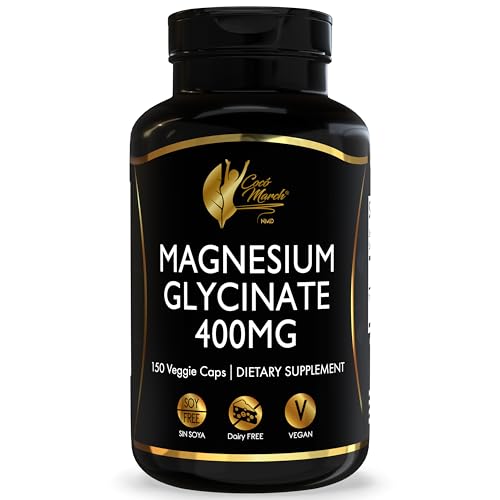
Magnesium glycinate is a chelated form of magnesium, meaning magnesium is bound to the amino acid glycine. People choose this form mainly for its gentle effect on the digestive system. It has not been shown to be absorbed better than other forms: absorption was similar to magnesium oxide overall in one small trial, and citrate raised blood magnesium more than an amino-acid chelate or oxide in another [7][6][8]. Unlike some other magnesium forms, magnesium glycinate is known for being less likely to cause laxative effects.
The glycine component itself offers additional benefits. Glycine is an inhibitory neurotransmitter, and small trials gave people with poor sleep 3 g of glycine before bedtime, but a systematic review noted those studies had small samples and a high risk of bias. Whether a magnesium glycinate capsule supplies a comparable amount of glycine is not established. Magnesium glycinate is a popular choice for people seeking help with anxiety, insomnia and muscle tension, though the evidence for each is limited [9][10].
Magnesium Glycinate vs. Other Popular Magnesium Forms: A Quick Comparison
The sheer number of magnesium supplements can be daunting. Understanding the differences is crucial for choosing the best one for your specific needs. Here’s how magnesium glycinate compares to some common alternatives.
| Magnesium Form | Primary Benefit/Use | Bioavailability | Common Side Effects |
|---|---|---|---|
| Magnesium Glycinate | Often chosen for sleep and relaxation; trial evidence is modest | [3][11][4]Not shown to differ from other well-absorbed forms | [7][6][8][12]Generally well-tolerated, minimal digestive upset |
| Magnesium Citrate | Constipation relief, general magnesium deficiency | Moderate to High | Can cause loose stools or diarrhea in higher doses |
| Magnesium Oxide | Heartburn, constipation (laxative effect) | Low | Significant laxative effect, poor absorption for systemic benefits |
| Magnesium Malate | Marketed for energy and muscle pain; little human evidence in the sources reviewed | [13][14]Moderate to High | Generally well-tolerated |
| Magnesium Threonate | Marketed for cognition and brain health; early, mostly industry-funded human trials | [15][16]Brain effects shown mainly in rats | [17]Generally well-tolerated |
Magnesium glycinate is the usual pick for sleep, anxiety and muscle relaxation, mainly because it causes fewer digestive complaints than oxide or citrate at the same dose. On absorption it is on a par with other organic forms rather than ahead of them: citrate outperformed both oxide and an amino-acid chelate on serum magnesium in a 60-day randomized trial[6], and no dedicated human bioavailability trial of magnesium glycinate has been published.
Magnesium Glycinate Dosage for Sleep, Anxiety, and Muscle Cramps
Establishing the right dosage for magnesium glycinate depends on your individual needs and current magnesium status. The Recommended Dietary Allowance (RDA) for magnesium for adult women ranges from 310 mg to 320 mg per day, increasing slightly during pregnancy. However, therapeutic doses for specific conditions may be higher.
Magnesium shows a small sleep gain in trials, but the evidence is weak
A small gain on an insomnia score
In 155 healthy adults aged 18-65 with poor sleep, 250 mg of elemental magnesium as bisglycinate lowered Insomnia Severity Index score by 3.9 points versus 2.3 on placebo at week 4 (p = 0.049).
The authors call the effect small
The effect size was small (Cohen's d = 0.2), which the authors describe as a modest benefit.
Fell asleep faster
Pooling three randomized trials of 151 older adults with insomnia, sleep onset was 17.36 minutes shorter on magnesium than placebo (95% CI -27.27 to -7.44).
Total sleep time not clearly longer
Total sleep time was 16.06 minutes longer on magnesium, but the difference was not statistically significant.
Expect at most a modest effect on sleep, and treat even that as uncertain.
The two groups are different studies: one bisglycinate trial in adults aged 18-65, and a pooled analysis in older adults. Source: Schuster et al., Nature and science of sleep 2025; Mah et al., BMC complementary medicine and therapies 2021; Lopresti et al., Journal of dietary supplements 2026.
Chart: magnesiumhub.com: Magnesium shows a small sleep gain in trials, but the evidence is weak
Embed this chart
Free to reuse on your site. Copy the code below; please keep the credit link.
Research note: In three RCTs of 151 older adults, sleep onset latency was 17.36 minutes shorter on magnesium than placebo [32].
A common way to start is 100 mg to 200 mg of elemental magnesium per day, a label-style starting range rather than a dose tested in trials. This allows your body to adjust and helps you assess its effects. Label doses commonly run from 200 mg to 400 mg daily, but trials have not established that this range works for sleep disturbances, anxiety or muscle cramps, as the sections below explain [11][4][18].
Dosage for Improved Sleep Quality
Magnesium is involved in nerve and muscle function, but how it might affect sleep in people is still being studied [11][19]. A double-blind placebo-controlled trial in 46 older adults with primary insomnia found that magnesium supplementation improved insomnia severity scores, sleep efficiency and sleep onset latency, although total sleep time did not differ significantly between the groups[2]. That trial used 500 mg per day, which is above the supplemental upper limit discussed below. In healthy adults sleeping poorly, 250 mg of elemental magnesium as bisglycinate produced a statistically significant but modest reduction in insomnia severity over four weeks[3].
Labels commonly suggest 200-400 mg of elemental magnesium about 30-60 minutes before bedtime. That is a common label range, not a proven sleep dose: the bisglycinate trial above used 250 mg, and a 2026 review concluded that current evidence does not support magnesium as a routine treatment for insomnia. Whether the glycine in a capsule adds anything is not established, since the glycine sleep trials used 3 g of glycine [3][11][9][10]. Start with a lower dose and gradually increase if needed, observing your body’s response.
Dosage for Anxiety Reduction
Magnesium is sometimes called nature’s tranquilizer, but that is a marketing phrase, not a research finding. One review proposes that stress may increase magnesium loss and that low magnesium may raise susceptibility to stress, but this is a hypothesis and not proven [20][4]. Magnesium status is associated with subjective anxiety, and a systematic review of 18 supplementation studies found a suggestive benefit in groups already vulnerable to anxiety, while rating the quality of that evidence as poor[4].
For anxiety, labels and some practitioners suggest 200-400 mg daily, often split into two doses (e.g., morning and evening), but no dose has been established: a systematic review said magnesium-containing supplements may hold promise but need more research before they can be recommended, and magnesium had no effect on postpartum anxiety. Magnesium is not an established treatment for chronic anxiety, so talk to a clinician if anxiety is persistent [21][4].
Dosage for Muscle Cramps and Restless Legs
Magnesium is essential for proper muscle function, including contraction and relaxation. Worsening magnesium deficiency can cause muscle contractions and cramps, but symptomatic deficiency from low diet alone is uncommon in otherwise healthy people [8].
A Cochrane review of 11 trials enrolling 735 people concluded that magnesium is unlikely to provide clinically meaningful cramp prevention for older adults, and a systematic review found that the only randomized trial of magnesium for restless legs showed no significant effect. Label doses of 200-400 mg daily are common, but no benefit is proven for cramps or restless legs. Some people take their dose in the evening if symptoms occur at night; if nothing changes after several weeks, it is reasonable to stop [18][22][23].

Magnesium Glycinate for Perimenopause and Bone Health
Perimenopause is a time of significant hormonal fluctuation, often accompanied by increased anxiety, sleep disturbances, and a decline in bone density. Magnesium is involved in many body processes, including bone. None of the studies we reviewed shows that magnesium supplements regulate estrogen or other hormones, and the evidence for mood is mixed: depressive symptoms fell in uncontrolled studies but not in placebo-controlled trials [24].
Magnesium is crucial for bone mineral density, working synergistically with calcium and Vitamin D. It helps convert Vitamin D into its active form and influences parathyroid hormone, both vital for calcium absorption and bone formation. In a meta-analysis of four observational studies in adults aged 60 and over, higher magnesium intake was linked to higher hip bone mineral density, but no association with fractures was found, and one review called the evidence on magnesium supplements for bone inconclusive [25][26].
Labels often suggest 300-400 mg daily for midlife women, but none of the studies we reviewed tested that range for perimenopausal symptoms or bone health. The RDA for women is 320 mg at ages 31 and over, from food and supplements together, and the 350 mg upper limit applies to supplements and medications only, so 400 mg is above it and best discussed with a clinician [8]. Always consult with your healthcare provider to tailor supplementation to your specific health profile and existing conditions.
Evidence for perimenopausal symptoms is thin. In a double-blind placebo-controlled trial of 289 postmenopausal women with a history of breast cancer, hot flash scores and frequencies were similar on magnesium oxide and placebo, and the authors concluded the results do not support magnesium for hot flashes. In 44 postmenopausal women with osteoporosis, a course of oral magnesium did not significantly change anxiety, depression, sleep quality or pain [30][31].
When to Take Magnesium Glycinate: Timing Your Dosage
The best time to take magnesium glycinate largely depends on why you’re taking it. Its gentle nature means it can be taken with or without food, though some prefer taking it with a meal to further minimize any potential stomach upset.

If your primary goal is to improve sleep, taking your full dose of magnesium glycinate about 30-60 minutes before bedtime is ideal. Some people find an evening dose calming, though in the one bisglycinate trial the sleep benefit was small [3]. For general anxiety or muscle support, splitting the dose into morning and evening amounts is a common habit, but we found no evidence that timing changes results.
Whether a split dose helps perimenopausal symptoms has not been tested in the studies we reviewed. Listening to your body and noting when you experience the most benefit is crucial for optimizing timing.
Magnesium (Glycinate) Dosage & Cost Calculator
Based on the labeled dose options for Pure Encapsulations Magnesium Glycinate 120mg. You set the bottle price and size.
Open the full dosage & cost calculator →
Enter the bottle price you see to get your own numbers.
Estimate only – worked out from the price and bottle size above. Prices change; check the current price before buying.
Why no height/weight input? Unlike per-kg supplements (creatine, protein), Magnesium (Glycinate) has no published bodyweight-adjusted dosing in the research behind it. This calculator doesn't fabricate a per-kg formula that doesn't exist in the literature.
Check today's price for Pure Encapsulations Magnesium Glycinate 120mg on Amazon(paid link) As an Amazon Associate we earn from qualifying purchases.
Safety Notes and Potential Side Effects
Magnesium glycinate is generally considered safe and well-tolerated, especially when taken within recommended dosages. The Tolerable Upper Intake Level (UL) for supplemental magnesium in adults is 350 mg per day. It was set by the US Institute of Medicine in 1997, and the limiting factor was diarrhea rather than any serious toxicity[1]. This UL applies only to magnesium from supplements and does not include magnesium naturally found in food, because the intestine regulates how much dietary magnesium it absorbs.
Doses above the UL are sometimes used under professional guidance, and researchers have argued the 350 mg figure is due for re-evaluation on the basis of more recent diarrhea data[1]. That argument applies to magnesium supplementation generally. No trial has shown that glycinate in particular is safer above the UL than other well-absorbed forms, so it is not a reason to go higher on your own. Talk to a healthcare provider before exceeding the UL.
Common Side Effects
At appropriate doses, magnesium glycinate typically has minimal side effects. The most common adverse effect associated with magnesium supplementation, particularly with less absorbable forms, is gastrointestinal upset, including diarrhea, nausea, and abdominal cramping. Magnesium glycinate is generally chosen for its lower likelihood of causing these issues. The clearest contrast is with magnesium oxide, whose fractional absorption was measured at roughly 4 percent, leaving most of the dose in the gut[5].
If you experience any digestive discomfort, try reducing your dose or taking it with food. Mild drowsiness can occur in some individuals, especially when taking higher doses for sleep, which is often a desired effect.
When to Exercise Caution and Consult a Doctor
While magnesium glycinate is safe for most, certain conditions warrant caution or medical supervision. Individuals with kidney disease should avoid magnesium supplements unless specifically advised by their doctor, as impaired kidney function can lead to magnesium accumulation and toxicity. Symptoms of magnesium toxicity (hypermagnesemia) can include nausea, vomiting, lethargy, impaired breathing, and cardiac arrest in severe cases.
Magnesium can interact with certain medications, including some antibiotics (tetracyclines and quinolones), diuretics, and proton pump inhibitors. Always inform your healthcare provider about all supplements you are taking. Pregnant or breastfeeding women should also consult their doctor before starting any new supplement regimen.
Choosing the Best Magnesium Glycinate Supplement
With a growing market, selecting a high-quality magnesium glycinate supplement is important. Look for products that clearly state the amount of “elemental magnesium” per serving, not just the total magnesium glycinate compound. This allows for accurate dosing.
Consider supplements that are third-party tested for purity and potency. This ensures the product contains what it claims and is free from contaminants. Reputable brands often make their third-party testing results available.

What to Look for on Amazon
When searching for magnesium glycinate on Amazon, focus on these key characteristics:
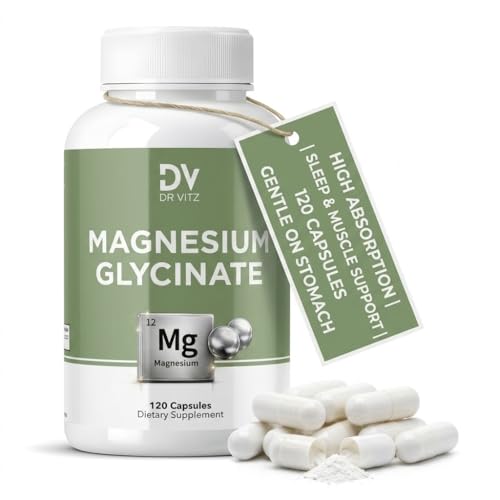
High Absorption Magnesium Glycinate Capsules: Look for products specifically labeled as “magnesium glycinate” or “bisglycinate” for gentleness on the stomach [8]. Check the elemental magnesium content per capsule or serving.
Third-Party Tested Magnesium Supplements: Prioritize brands that mention third-party testing on their product pages or labels. This indicates a commitment to quality and safety.
Pure Magnesium Glycinate Powder: If you prefer to avoid capsules or adjust your dose precisely, powdered forms are an excellent option. Ensure it’s 100% magnesium glycinate with no unnecessary fillers.
Conclusion
Magnesium glycinate is a well-tolerated form of magnesium, and the form with the clearest trial evidence for sleep specifically[3]. Its gentle digestive profile is the main practical reason to prefer it; its absorption is comparable to other well-absorbed forms rather than better than all of them.
By understanding the recommended dosages, optimal timing, and important safety considerations, you can confidently integrate magnesium glycinate into your wellness routine. Always remember to consult with a healthcare professional to personalize your supplementation plan and ensure it aligns with your overall health needs.
Frequently Asked Questions (FAQ)
What is the best time of day to take magnesium glycinate?
For sleep benefits, take it 30-60 minutes before bedtime. For anxiety or general muscle support, you can split the dose and take it in the morning and evening.
Can I take magnesium glycinate every day?
How long does it take for magnesium glycinate to work for sleep?
Some individuals report feeling calmer and sleeping better after the first dose. In the one bisglycinate trial, the difference from placebo was measured over four weeks and was small, so expect modest effects at best [3].
Is 400 mg of magnesium glycinate too much?
400 mg of elemental magnesium from glycinate is a common label dose, but it has not been shown to be an effective dose for sleep or anxiety, and it is above the Tolerable Upper Intake Level (UL) for supplemental magnesium of 350 mg [11][4][8]. It’s best to consult your doctor before consistently exceeding the UL.
Can magnesium glycinate cause weight gain?
There is no evidence to suggest that magnesium glycinate directly causes weight gain, and a meta-analysis of 32 randomized trials found no significant change in body weight with magnesium [28].
Can I take magnesium glycinate with other supplements?
These statements have not been evaluated by the FDA. This product is not intended to diagnose, treat, cure, or prevent any disease.
References
- Perspective: Call for Re-evaluation of the Tolerable Upper Intake Level for Magnesium Supplementation in Adults. Adv Nutr, 2023
- The effect of magnesium supplementation on primary insomnia in elderly: A double-blind placebo-controlled clinical trial. J Res Med Sci, 2012
- Magnesium Bisglycinate Supplementation in Healthy Adults Reporting Poor Sleep: A Randomized, Placebo-Controlled Trial. Nat Sci Sleep, 2025
- The Effects of Magnesium Supplementation on Subjective Anxiety and Stress-A Systematic Review. Nutrients, 2017
- Bioavailability of US commercial magnesium preparations. Magnes Res, 2001
- Mg citrate found more bioavailable than other Mg preparations in a randomised, double-blind study. Magnes Res, 2003
- Schuette SA et al. Bioavailability of magnesium diglycinate vs magnesium oxide in patients with ileal resection. JPEN. Journal of parenteral and enteral nutrition (1994). PMID 7815675
- NIH Office of Dietary Supplements Magnesium: Fact Sheet for Health Professionals. NIH Office of Dietary Supplements (2026). source
- Bannai M et al. New therapeutic strategy for amino acid medicine: glycine improves the quality of sleep. Journal of pharmacological sciences (2012). PMID 22293292
- Soh J et al. The effect of glycine administration on the characteristics of physiological systems in human adults: A systematic review. GeroScience (2024). PMID 37851316
- Lopresti AL et al. Magnesium Supplementation for Sleep in Adults: A Systematic Review of Randomized Controlled Trials. Journal of dietary supplements (2026). PMID 42661485
- Papagiannidou A et al. Hypomagnesemia: A Clinical and Nutritional Update. Current nutrition reports (2026). PMID 41872423
- Wang R et al. The effect of magnesium supplementation on muscle fitness: a meta-analysis and systematic review. Magnesium research (2017). PMID 29637897
- Ian Newhouse et al. The Effects of Magnesium Supplementation on Exercise Performance. Clinical Journal of Sport Medicine (2000). PMID 10959930
- Lopresti AL et al. The effects of magnesium L-threonate (Magtein®) on cognitive performance and sleep quality in adults: a randomised, double-blind, placebo-controlled trial. Frontiers in nutrition (2025). PMID 41601871
- Zhang C et al. A Magtein®, Magnesium L-Threonate, -Based Formula Improves Brain Cognitive Functions in Healthy Chinese Adults. Nutrients (2022). PMID 36558392
- Slutsky I et al. Enhancement of learning and memory by elevating brain magnesium. Neuron (2010). PMID 20152124
- Garrison SR et al. Magnesium for skeletal muscle cramps. The Cochrane database of systematic reviews (2020). PMID 32956536
- Arab A et al. The Role of Magnesium in Sleep Health: a Systematic Review of Available Literature. Biological trace element research (2023). PMID 35184264
- Pickering G et al. Magnesium Status and Stress: The Vicious Circle Concept Revisited. Nutrients (2020). PMID 33260549
- Shaheen Emmanuel Lakhan et al. Nutritional and herbal supplements for anxiety and anxiety-related disorders: systematic review. Nutrition Journal (2010). PMID 20929532
- Marshall NS et al. Magnesium supplementation for the treatment of restless legs syndrome and periodic limb movement disorder: A systematic review. Sleep medicine reviews (2019). PMID 31678660
- Gorantla S et al. Magnesium citrate monotherapy improves restless legs syndrome symptoms and multiple suggested immobilization test scores in an open-label pilot study. Journal of clinical sleep medicine : JCSM : official publication of the American Academy of Sleep Medicine (2024). PMID 38738598
- Danny Phelan et al. Magnesium and mood disorders: systematic review and meta-analysis. BJPsych Open (2018). PMID 29897029
- Groenendijk I et al. Impact of magnesium on bone health in older adults: A systematic review and meta-analysis. Bone (2022). PMID 34666201
- Capozzi A et al. Calcium, vitamin D, vitamin K2, and magnesium supplementation and skeletal health. Maturitas (2020). PMID 32972636
- Razzaque MS Magnesium: Are We Consuming Enough?. Nutrients (2018). PMID 30513803
- Askari M et al. The effects of magnesium supplementation on obesity measures in adults: a systematic review and dose-response meta-analysis of randomized controlled trials. Critical reviews in food science and nutrition (2021). PMID 32654500
- Rachel M. Kenney et al. 192. More Low-hanging Fruit: Antibiotic Chelation Drug Interactions. Open Forum Infectious Diseases (2018). doi:10.1093/ofid/ofy210.205
- Park H et al. North Central Cancer Treatment Group N10C2 (Alliance): a double-blind placebo-controlled study of magnesium supplements to reduce menopausal hot flashes. Menopause (New York, N.Y.) (2015). PMID 25423327
- Pickering ME et al. Quantitative sensory testing of pain in osteoporosis: a pilot randomized clinical trial with magnesium supplementation. Aging clinical and experimental research (2026). PMID 41566091
- Mah J et al. Oral magnesium supplementation for insomnia in older adults: a Systematic Review & Meta-Analysis. BMC complementary medicine and therapies (2021). PMID 33865376
These statements have not been evaluated by the Food and Drug Administration. This information is not intended to diagnose, treat, cure, or prevent any disease. Content is for informational purposes only and is not medical advice; consult a qualified healthcare provider before starting any supplement. As an Amazon Associate we earn from qualifying purchases.
