Navigating perimenopause often brings a range of physiological changes. Many women seek to support their overall well-being during this time, and understanding nutrient intake can be a part of this journey. Magnesium is an essential mineral involved in numerous bodily processes.
This article explores considerations for magnesium glycinate dosage, specifically for women in perimenopause. We will discuss general intake information and factors that might influence individual needs, based on available research.
Understanding Magnesium and Its Role
Magnesium is a mineral that plays a fundamental role in over 300 enzymatic reactions in the body. These reactions are important for various functions, including energy production, muscle and nerve function, blood glucose regulation, and blood pressure maintenance. It also contributes to the structural development of bone and is required for the synthesis of DNA, RNA, and the antioxidant glutathione.
Magnesium intake has been explored in relation to bone mineral density. Research from the Women’s Health Initiative Observational Study indicated that higher magnesium intake was associated with higher bone mineral density in older women [1]. Additionally, adequate magnesium intake may contribute to overall health as women age, with one study suggesting a link between total magnesium intake and the risk of frailty in older women [2].
General Magnesium Intake Considerations
General recommendations for magnesium intake can serve as a starting point. While specific recommendations for magnesium glycinate dosage for women in perimenopause are not explicitly defined in the research reviewed here, understanding overall magnesium intake is helpful. A scoping review looked into optimal daily magnesium intake among physically active people, noting that various factors can influence individual needs [3].
The official numbers for women range from 300 to 420 mg, and each one means something different
Your target is the RDA or Adequate Intake, and the 350 mg limit is only a ceiling for supplements.
Mg per day. RDA and Upper Limit from NIH; Adequate Intake from EFSA. These are population reference values, not advice on a personal dose. Source: NIH Office of Dietary Supplements; EFSA 2015.
Data table
| Item | Value |
|---|---|
| EFSA Adequate Intake, women | 300 mg |
| US RDA, women aged 19 to 30 | 310 mg |
| US RDA, women aged 31 to 50 | 320 mg |
| Upper Limit for supplemental magnesium | 350 mg |
| Daily Value on labels | 420 mg |
Embed this chart
Free to reuse on your site. Copy the code below; please keep the credit link.
Research note: EFSA found no evidence of an increased magnesium need in pregnancy or lactation and set the same Adequate Intake as for non-pregnant, non-lactating women [10].
It’s important to remember that dietary sources contribute to total magnesium intake. Foods rich in magnesium include leafy green vegetables, nuts, seeds, whole grains, legumes, and dark chocolate. The average daily magnesium intake among Japanese people was observed in one study to be around 322 mg for men and 323 mg for women [4]. These figures offer a glimpse into typical dietary intake, but individual needs can vary.
Magnesium Needs During Midlife Transitions
The perimenopausal phase involves significant hormonal shifts that can impact various physiological systems. While the research reviewed here does not specifically detail unique magnesium requirements for perimenopause, it does highlight the dynamic nature of mineral metabolism during female reproductive life stages. For instance, maternal mineral and bone metabolism undergo changes during pregnancy, lactation, and post-weaning recovery [5]. This underscores how physiological transitions can influence mineral needs.
As women approach and move through menopause, maintaining bone health becomes a notable consideration. The Women’s Health Initiative Observational Study found an association between higher magnesium intake and higher bone mineral density [1]. This is an association in observational data and does not show that taking magnesium protects bone. A meta-analysis of observational studies in adults aged 60 and over also found no association between magnesium intake and fractures [9].

Factors Influencing Individual Magnesium Glycinate Dosage
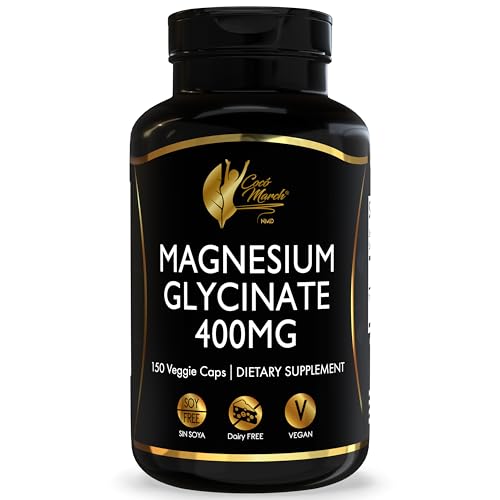
Determining an optimal magnesium glycinate dosage for an individual involves considering several factors beyond general guidelines. These can include dietary intake, lifestyle, and individual physiological responses. The form of magnesium also matters; magnesium glycinate is often chosen for its gentleness on the stomach, although it has not been shown to be absorbed better than other forms [7][8].
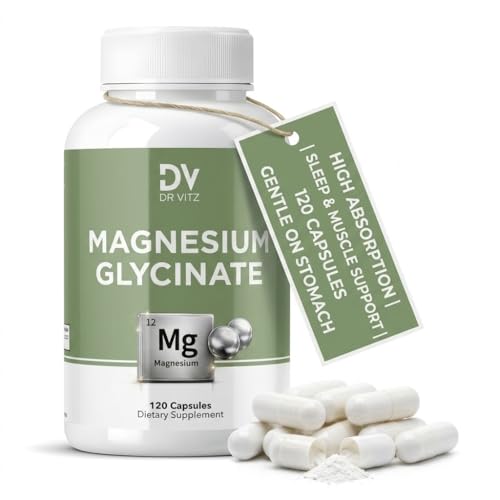
While specific dosage recommendations for magnesium glycinate for perimenopausal women are not detailed in the research reviewed here, it is generally understood that magnesium intake should be tailored to individual needs. A scoping review on optimal daily magnesium intake among physically active people noted that daily intake can range considerably, from 200 mg to 600 mg, depending on various individual factors [3]. This range illustrates the variability in individual requirements. Additionally, dietary magnesium intake has been explored in relation to proteinuria, suggesting another area where magnesium status might be relevant [6].
Two official benchmarks help frame that range. The RDA for women is 310 mg at ages 19 to 30 and 320 mg from age 31, covering food and supplements together. The upper limit of 350 mg applies to supplements and medications only, and diarrhea is the effect that limits it [8].
Finding Your Approach to Magnesium Glycinate
When considering magnesium glycinate, a measured approach is often recommended. Starting with a lower amount and gradually adjusting can help individuals assess their tolerance and perceived benefits. Observing how your body responds is key. The goal is to support overall well-being without exceeding comfortable levels.
It’s important to consider all sources of magnesium, including diet and any other supplements, when thinking about total daily intake. While the evidence highlights the importance of magnesium for various bodily functions and in relation to bone health [1], there isn’t a one-size-fits-all dosage for magnesium glycinate for women in perimenopause. The information presented here aims to provide a framework for understanding general magnesium needs and the factors that may influence them.

References
- Magnesium intake, bone mineral density, and fractures: results from the Women’s Health Initiative Observational Study. The American journal of clinical nutrition, 2014
- Total magnesium intake and risk of frailty in older women. Journal of cachexia, sarcopenia and muscle, 2024
- Determination of Optimal Daily Magnesium Intake among Physically Active People: A Scoping Review. Journal of nutritional science and vitaminology, 2022
- Daily magnesium intake and serum magnesium concentration among Japanese people. Journal of epidemiology, 2008
- Maternal Mineral and Bone Metabolism During Pregnancy, Lactation, and Post-Weaning Recovery. Physiological reviews, 2016
- Dietary Magnesium Intake and Proteinuria: Is There a Relationship?. Biological trace element research, 2024
- Schuette SA et al. Bioavailability of magnesium diglycinate vs magnesium oxide in patients with ileal resection. JPEN. Journal of parenteral and enteral nutrition (1994). PMID 7815675
- NIH Office of Dietary Supplements Magnesium: Fact Sheet for Health Professionals. NIH Office of Dietary Supplements (2026). source
- Groenendijk I et al. Impact of magnesium on bone health in older adults: A systematic review and meta-analysis. Bone (2022). PMID 34666201
- European Food Safety Authority (EFSA NDA Panel) Scientific Opinion on Dietary Reference Values for magnesium. European Food Safety Authority (EFSA NDA Panel) (2015). source
These statements have not been evaluated by the Food and Drug Administration. This information is not intended to diagnose, treat, cure, or prevent any disease. Content is for informational purposes only and is not medical advice; consult a qualified healthcare provider before starting any supplement. As an Amazon Associate we earn from qualifying purchases.
