Navigating perimenopause often brings new considerations for women’s health, including nutritional needs. Magnesium is an essential mineral involved in numerous bodily functions, and understanding appropriate magnesium dosage during this time can be a valuable part of supporting overall well-being.
This article explores general guidelines for magnesium intake, discusses why magnesium may be particularly relevant for women in midlife, and clarifies the difference between recommended daily allowances and potentially higher amounts sometimes explored for specific health goals. We will focus on evidence-based information to help you make informed choices.
Magnesium’s Role in Women’s Health During Midlife
Magnesium plays a fundamental role in over 300 enzymatic reactions within the body, impacting everything from muscle and nerve function to blood sugar control and blood pressure regulation. For women in perimenopause, adequate magnesium intake may be particularly relevant for several reasons.
Research suggests magnesium is important for bone health, which is a key consideration during perimenopause and menopause when bone density changes can occur [1]. Additionally, magnesium intake has been explored in relation to cognitive function, with some studies looking at its association with cognitive impairment among older women [2]. There is also interest in the association between magnesium intake and migraine among women, both pre and postmenopausal [3].
The impact of magnesium extends to cardiovascular health, with studies examining the relationship between dietary magnesium intake and outcomes such as heart failure among older women [4]. Given these wide-ranging roles, ensuring sufficient magnesium intake may be a supportive aspect of health during midlife.
Understanding the Recommended Daily Allowance (RDA) for Magnesium
The Recommended Dietary Allowance (RDA) for magnesium provides a guideline for the average daily dietary intake level that is sufficient to meet the nutrient requirements of nearly all healthy individuals in a specific life stage and gender group. For adult women, the RDA typically falls within a range, generally around 310-320 mg per day, increasing slightly for pregnant women. However, individual needs can vary.
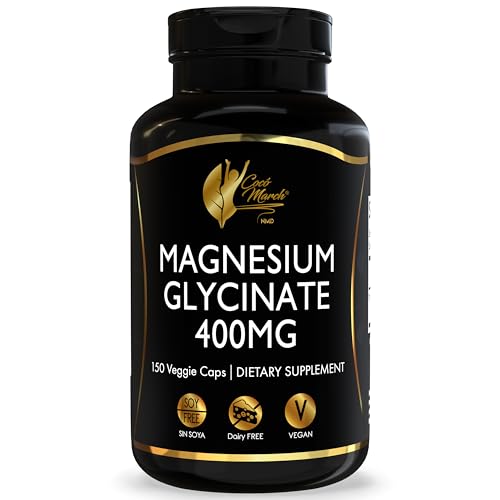
These recommendations are designed to prevent deficiency and support basic physiological functions. While the RDA provides a baseline, some individuals, especially during periods of physiological change like perimenopause, might consider whether their intake is meeting their needs. It’s also worth noting that many people may not consistently meet the RDA through diet alone [5].
Exploring Potentially Higher ‘Therapeutic’ Magnesium Amounts
Beyond the RDA, some research has investigated higher amounts of magnesium, sometimes referred to as ‘therapeutic’ amounts, for specific health considerations. These amounts are typically used under guidance and are not general recommendations for everyone. For example, in some clinical settings, magnesium sulfate has been studied at various doses for managing conditions like rapid atrial fibrillation [6].

For supporting mental well-being, studies have explored magnesium supplementation, sometimes in combination with vitamin B6. One analysis of a randomized controlled trial suggested that magnesium and vitamin B6 supplementation had an effect on mental health and quality of life in stressed healthy adults [7]. Another trial found superiority of magnesium and vitamin B6 over magnesium alone on severe stress in healthy adults with low magnesemia [8]. These studies often use amounts higher than the RDA, but within established upper intake levels.
It’s important to understand that ‘therapeutic’ amounts are not universally defined and can depend on the specific health goal being addressed and individual circumstances. These amounts should always be considered in consultation with a healthcare professional.
Magnesium Glycinate: Considerations for Absorption
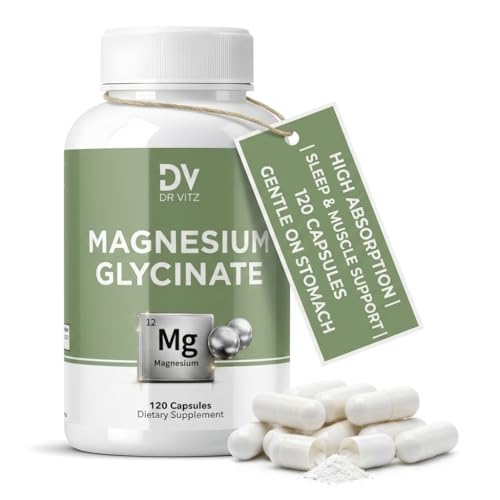
When considering magnesium supplementation, the form of magnesium can influence how well it is absorbed by the body. Magnesium glycinate is a chelated form of magnesium, meaning magnesium is bound to the amino acid glycine. This chelation is thought to enhance its bioavailability.
Some research has indicated that certain forms of magnesium, like magnesium diglycinate, may have better bioavailability compared to other forms, such as magnesium oxide [9]. Higher bioavailability means that a greater proportion of the magnesium consumed is absorbed and utilized by the body, which could be a factor when considering different magnesium supplements. This may be especially relevant if an individual is aiming to increase their magnesium levels.

Dietary Sources and Supplementation
Many foods are good sources of magnesium. These include leafy green vegetables, nuts, seeds, legumes, whole grains, and dark chocolate. Incorporating a variety of these foods into your diet is a foundational step for meeting magnesium needs. However, dietary intake alone may not always be sufficient for everyone.
For women in perimenopause who may be considering supplementation, it’s helpful to first assess current dietary intake. If dietary sources are insufficient, or if specific health goals are being considered, a magnesium glycinate supplement may be an option. Always discuss any supplementation plans with a healthcare provider to ensure it is appropriate for your individual health profile.

References
- An update on magnesium and bone health. Biometals : an international journal on the role of metal ions in biology, biochemistry, and medicine, 2021
- Relations of magnesium intake to cognitive impairment and dementia among participants in the Women’s Health Initiative Memory Study: a prospective cohort study. BMJ open, 2019
- Association Between Magnesium Intake and Migraine Among Pre and Postmenopausal Women: A Cross-Sectional Study. International journal of women’s health, 2025
- Relationship Between Dietary Magnesium Intake and Incident Heart Failure Among Older Women: The WHI. Journal of the American Heart Association, 2020
- [Aging and magnesium]. Clinical calcium, 2005
- Low-dose Magnesium Sulfate Versus High Dose in the Early Management of Rapid Atrial Fibrillation: Randomized Controlled Double-blind Study (LOMAGHI Study). Academic emergency medicine : official journal of the Society for Academic Emergency Medicine, 2019
- Effect of magnesium and vitamin B6 supplementation on mental health and quality of life in stressed healthy adults: Post-hoc analysis of a randomised controlled trial. Stress and health : journal of the International Society for the Investigation of Stress, 2021
- Superiority of magnesium and vitamin B6 over magnesium alone on severe stress in healthy adults with low magnesemia: A randomized, single-blind clinical trial. PloS one, 2018
- Bioavailability of magnesium diglycinate vs magnesium oxide in patients with ileal resection. JPEN. Journal of parenteral and enteral nutrition, 1994
These statements have not been evaluated by the Food and Drug Administration. This information is not intended to diagnose, treat, cure, or prevent any disease. Content is for informational purposes only and is not medical advice; consult a qualified healthcare provider before starting any supplement. As an Amazon Associate we earn from qualifying purchases.
