As women navigate perimenopause and midlife, changes in the body can bring new experiences, including shifts in joint comfort. Many seek ways to support their overall well-being, and nutritional factors are often part of this exploration.
Magnesium is an essential mineral involved in numerous bodily processes. For those experiencing joint discomfort, understanding the available evidence regarding magnesium’s potential role can be helpful, though research in this area is still developing.
Understanding Magnesium’s Role in the Body
Magnesium is a vital mineral that participates in over 300 enzymatic reactions throughout the body. These roles include supporting muscle and nerve function, blood glucose regulation, and blood pressure regulation. It also plays a part in protein synthesis, bone health, and energy production [1]. Given its widespread involvement in physiological processes, researchers are exploring its potential connections to various aspects of health, including joint comfort.
While magnesium’s broad functions are well-established, its specific interactions with joint health, particularly during midlife and perimenopause, are areas of ongoing investigation. The focus for many women is on how dietary intake and supplementation might influence comfort and mobility.
Magnesium and Joint Pain: Emerging Connections
Some research has explored the relationship between magnesium levels and joint discomfort, particularly in conditions like osteoarthritis. For instance, a study found an association between low magnesium intake and increased knee pain in individuals with radiographic knee osteoarthritis [2]. Another population-based study also observed an association of dietary magnesium intake with radiographic knee osteoarthritis [3].
Research note: A 2017 meta-analysis of randomized trials found magnesium lowered CRP by 1.12 mg/L only in people whose baseline CRP was above 3 mg/L, and not in those at or below 3 mg/L [13].
Further research has looked at the concentrations of various minerals within joint structures. One study examined calcium, magnesium, zinc, and lead concentrations in knee joint structures of patients with osteoarthritis [4]. Another analysis considered gender when looking at correlations among plasma silicon, magnesium, and calcium in patients with knee osteoarthritis [5]. These studies suggest that mineral balance within the body and joints may be relevant to joint health, though the exact mechanisms are still being explored.
Inflammation and Magnesium: A Potential Link
Inflammation is a natural bodily response, but chronic inflammation can contribute to various discomforts. Magnesium is understood to have a role in numerous physiological processes, including those related to inflammatory pathways. While direct evidence linking magnesium supplementation to a significant reduction in joint inflammation specifically in perimenopausal women is limited, its general involvement in bodily functions suggests a potential, indirect influence.
Magnesium did not lower CRP overall, only in trials where baseline CRP was above 3 mg/L
Magnesium is not shown to lower inflammation in people generally, only possibly where CRP starts high.
Pooled estimates with 95% confidence intervals from a meta-analysis of 11 randomized trials of oral magnesium. Source: Simental-Mendía et al., Current Pharmaceutical Design 2017.
Data table
| Comparison | Estimate | 95% CI |
|---|---|---|
| All trials, change in CRP (mg/L) | −0.11 | −0.75 to 0.52 |
| Trials with baseline CRP above 3 mg/L (mg/L) | −1.12 | −2.05 to −0.18 |
Embed this chart
Free to reuse on your site. Copy the code below; please keep the credit link.
Trials of magnesium for inflammation markers are mixed. A meta-analysis of randomized trials found no significant change in overall C-reactive protein, and one 8-week trial of 250 mg a day in middle-aged overweight women did not significantly reduce inflammatory markers. Another meta-analysis of 17 trials did find a significant decrease in C-reactive protein [13][14][15].
The broader context of pain management also includes magnesium. A narrative review on the management of pain using magnesium sulfate highlights its use in certain pain contexts [6]. Additionally, magnesium has been considered as an adjuvant in multimodal analgesia strategies to potentially reduce postoperative opioid consumption and complications in various surgical settings [10][9][8]. While these studies are not directly about perimenopausal joint pain, they illustrate magnesium’s acknowledged role in pain modulation within specific medical contexts.

Magnesium Glycinate: A Gentle Form
Magnesium glycinate is a form of magnesium where magnesium is bound to the amino acid glycine. This chelated form is often chosen for its gentle effect on the digestive system, since glycinate is not among the forms NIH lists as most commonly causing diarrhea. Whether it is absorbed better than other forms is less clear, because in 12 patients after ileal resection absorption was low and similar for diglycinate and oxide overall. That gentleness may matter for people with digestive sensitivities to other forms of magnesium [11][12].
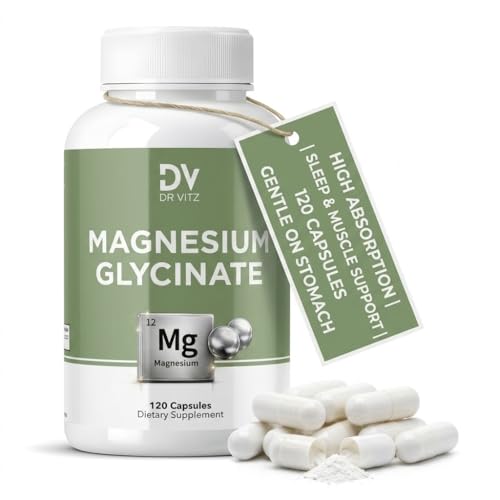
While the specific benefits of magnesium glycinate for joint discomfort in perimenopause are not distinctly studied, its tolerability makes it a popular choice [11] for individuals seeking to support their magnesium intake. The overall goal is to ensure adequate magnesium levels, which can contribute to general well-being during midlife transitions.

Dietary Magnesium and Long-Term Health
Beyond immediate comfort, adequate magnesium intake may play a role in long-term health, including aspects related to mobility and strength. An eight-year longitudinal study found that dietary magnesium intake was associated with incident frailty in older people at risk for knee osteoarthritis [7]. This is an observational link and does not show that maintaining sufficient magnesium levels preserves physical function.
For women in perimenopause, focusing on a balanced diet rich in magnesium-containing foods like leafy greens, nuts, seeds, legumes, and whole grains is a foundational step. If dietary intake is insufficient, a supplement like magnesium glycinate could be considered to help meet daily requirements.


References
- Magnesium in the gynecological practice: a literature review. Magnesium research, 2017
- Low magnesium intake is associated with increased knee pain in subjects with radiographic knee osteoarthritis: data from the Osteoarthritis Initiative. Osteoarthritis and cartilage, 2018
- Association of dietary magnesium intake with radiographic knee osteoarthritis: results from a population-based study. Arthritis care & research, 2012
- Calcium, magnesium, zinc and lead concentrations in the structures forming knee joint in patients with osteoarthritis. Journal of trace elements in medicine and biology : organ of the Society for Minerals and Trace Elements (GMS), 2018
- Correlations among plasma silicon, magnesium and calcium in patients with knee osteoarthritis – analysis in consideration of gender. Annals of agricultural and environmental medicine : AAEM, 2019
- Management of pain using magnesium sulphate: a narrative review. Postgraduate medicine, 2022
- Dietary Magnesium and Incident Frailty in Older People at Risk for Knee Osteoarthritis: An Eight-Year Longitudinal Study. Nutrients, 2017
- Preventive analgesia in hip or knee arthroplasty: a systematic review. Revista espanola de cirugia ortopedica y traumatologia, 2015
- PROSPECT guideline for tonsillectomy: systematic review and procedure-specific postoperative pain management recommendations. Anaesthesia, 2021
- Efficacy of nonopioid analgesics and adjuvants in multimodal analgesia for reducing postoperative opioid consumption and complications in obesity: a systematic review and network meta-analysis. British journal of anaesthesia, 2024
- NIH Office of Dietary Supplements Magnesium: Fact Sheet for Health Professionals. NIH Office of Dietary Supplements (2026). source
- Schuette SA et al. Bioavailability of magnesium diglycinate vs magnesium oxide in patients with ileal resection. JPEN. Journal of parenteral and enteral nutrition (1994). PMID 7815675
- Luis E. Simental‐Mendía et al. Effect of Magnesium Supplementation on Plasma C-reactive Protein Concentrations: A Systematic Review and Meta-Analysis of Randomized Controlled Trials. Current Pharmaceutical Design (2017). PMID 28545353
- Nazanin Moslehi et al. Effects of oral magnesium supplementation on inflammatory markers in middle-aged overweight women. Europe PMC (PubMed Central) (2012). PMID 23798918
- Veronese N et al. Effect of Magnesium Supplementation on Inflammatory Parameters: A Meta-Analysis of Randomized Controlled Trials. Nutrients (2022). PMID 35277037
These statements have not been evaluated by the Food and Drug Administration. This information is not intended to diagnose, treat, cure, or prevent any disease. Content is for informational purposes only and is not medical advice; consult a qualified healthcare provider before starting any supplement. As an Amazon Associate we earn from qualifying purchases.
