Ready to buy? Check current prices on Amazon and compare deals before you decide.
Navigating midlife and menopause often brings a focus on supporting overall well-being. Magnesium glycinate is a form of magnesium that some women consider for various aspects of their health during this time.
When exploring magnesium glycinate, understanding how to choose a suitable supplement can be helpful. This guide aims to provide practical considerations for selecting a product that aligns with your needs.
Understanding Magnesium Glycinate: What Makes It Distinct?
Magnesium is an essential mineral involved in numerous bodily processes. It comes in various forms, each with unique characteristics regarding absorption and potential effects. Magnesium glycinate is a chelated form, meaning magnesium is bound to the amino acid glycine.
This chelation is often highlighted for its potential impact on absorption. The glycine component may contribute to the gentle nature of this form on the digestive system[1], which can be a consideration for individuals who experience gastrointestinal discomfort with other magnesium types.
For women in midlife and menopause, supporting a balanced lifestyle is often a priority[6]. The choice of magnesium form can be part of this approach, with magnesium glycinate being a popular option due to its generally well-tolerated profile.
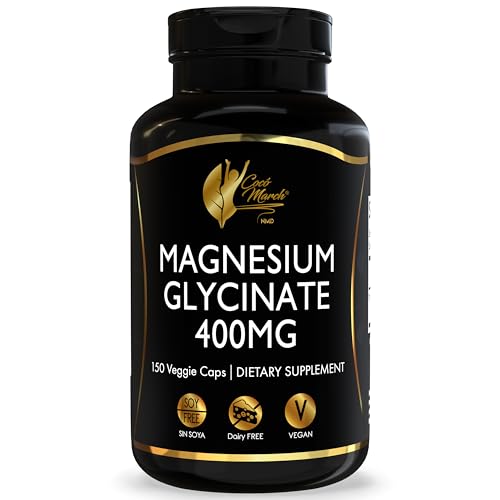
Key Factors When Evaluating Magnesium Glycinate Supplements
When you’re looking for a magnesium glycinate supplement, several factors can help you make an informed choice. These considerations often revolve around the product’s formulation, quality, and how it fits into your personal preferences.
One important aspect is the actual magnesium content per serving. Supplement labels typically list the total weight of the magnesium compound (e.g., magnesium glycinate) and then specify the elemental magnesium content. Elemental magnesium is the amount of pure magnesium available for the body to utilize, and this is the figure to focus on when comparing dosages[2].
Another factor to consider is the presence of other ingredients. Some supplements may include additional vitamins, minerals, or herbs. While these can sometimes offer complementary support, it’s also important to be aware of them, especially if you are sensitive to certain compounds or are already taking other supplements.
Purity, Potency, and Third-Party Testing
The quality of a supplement can be a significant concern. Reputable manufacturers often adhere to good manufacturing practices (GMPs), which are a set of guidelines ensuring product quality and safety. While not always explicitly stated on the label, a company’s commitment to GMPs can indicate a higher standard of production.
Third-party testing is another indicator of quality. This involves an independent laboratory verifying the supplement’s ingredients, purity, and potency[3]. Look for seals or statements on the product label that indicate third-party testing, as this can provide an extra layer of assurance regarding what’s in the bottle.

Purity extends to being free from unwanted additives. Some individuals prefer supplements that are free from common allergens like gluten, dairy, or soy, as well as artificial colors, flavors, or preservatives. Checking the ‘other ingredients’ list carefully can help you identify products that meet these preferences.
Dosage and Forms of Magnesium Glycinate
Magnesium glycinate supplements are available in various forms, most commonly capsules, powders, or tablets. The ‘best’ form often depends on individual preference and ease of use. Capsules and tablets offer convenience and precise dosing, while powders can be mixed into beverages and may allow for more flexible dosing.
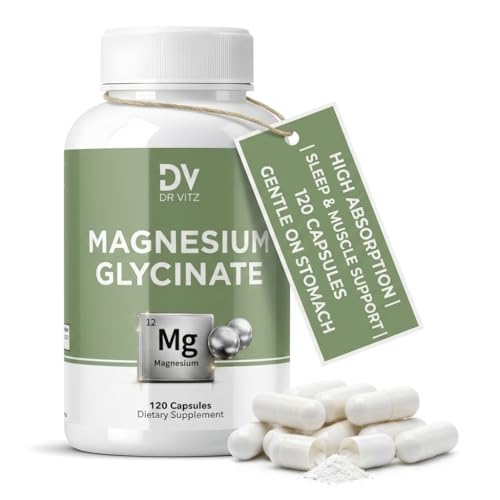
Regarding dosage, it’s important to understand that individual needs can vary. The recommended daily intake for magnesium differs based on age and sex[4]. For women in midlife, these guidelines are generally consistent, but personal factors might influence the amount considered appropriate.
When starting any new supplement, beginning with a lower dose and gradually increasing it can help assess tolerance[5]. Always pay attention to how your body responds and consider consulting with a healthcare professional to determine a suitable dosage for your specific circumstances.
Considering Your Individual Needs and Preferences
Ultimately, the choice of a magnesium glycinate supplement is a personal one. What works well for one person might not be the ideal choice for another. Taking into account your specific health goals and any sensitivities you may have is an important part of the decision-making process.
Think about factors like capsule size if you have difficulty swallowing pills, or taste if you are considering a powdered form. The price point and the number of servings per container can also influence your decision, especially if you plan to take the supplement long-term.
Reading reviews from other users can offer insights, but remember that individual experiences can vary. Focus on reviews that discuss product quality, ease of use, and any noticeable effects, rather than anecdotal claims of dramatic outcomes.

References
- Bioavailability of magnesium food supplements: A systematic review. Nutrition (Burbank, Los Angeles County, Calif.), 2021
- The Dietary Supplement Label Database: Recent Developments and Applications. The Journal of nutrition, 2018
- Analytical Challenges and Metrological Approaches to Ensuring Dietary Supplement Quality: International Perspectives. Frontiers in pharmacology, 2021
- Magnesium in Prevention and Therapy. Nutrients, 2015
- Comparative Clinical Study on Magnesium Absorption and Side Effects After Oral Intake of Microencapsulated Magnesium (MAGSHAPETM Microcapsules) Versus Other Magnesium Sources. Nutrients, 2024
- The Importance of Nutrition in Menopause and Perimenopause-A Review. Nutrients, 2023
These statements have not been evaluated by the Food and Drug Administration. This information is not intended to diagnose, treat, cure, or prevent any disease. Content is for informational purposes only and is not medical advice; consult a qualified healthcare provider before starting any supplement. As an Amazon Associate we earn from qualifying purchases.
