Navigating the world of dietary supplements can sometimes feel like deciphering a complex code, especially when you’re trying to make informed choices for your well-being during midlife and menopause. When it comes to magnesium, one term you’ll frequently encounter on supplement labels is ‘elemental magnesium.’ Understanding what this refers to can help clarify how much magnesium you are actually consuming.
This article aims to demystify the ‘elemental magnesium’ declaration and distinguish it from the total weight of the magnesium compound listed on your supplement. We’ll explore why this distinction matters, particularly when considering different forms of magnesium, such as chelated varieties like magnesium glycinate.
What is Elemental Magnesium?
When you look at a magnesium supplement label, you’ll often see two numbers: the total weight of the magnesium compound (e.g., 500 mg magnesium glycinate) and then a smaller number, usually listed as ‘elemental magnesium’ (e.g., 100 mg elemental magnesium). The ‘elemental magnesium’ figure represents the actual amount of magnesium available for your body to use. It’s the pure magnesium mineral itself, detached from any other compounds it’s bonded with.
Magnesium in supplements is always bound to another substance, such as citrate, oxide, or glycinate. This is because magnesium, as an element, is highly reactive and doesn’t exist in isolation in a stable form. The ‘elemental’ value tells you how much of the active magnesium is present within the larger compound listed on the label.
Why Does Elemental Magnesium Matter?
The importance of the elemental magnesium value lies in accurately determining your intake. If a supplement label states ‘500 mg magnesium citrate,’ it doesn’t mean you’re getting 500 mg of usable magnesium. Instead, you need to look for the ‘elemental magnesium’ amount to understand how much magnesium your body will potentially absorb. Different magnesium compounds contain varying percentages of elemental magnesium [1].
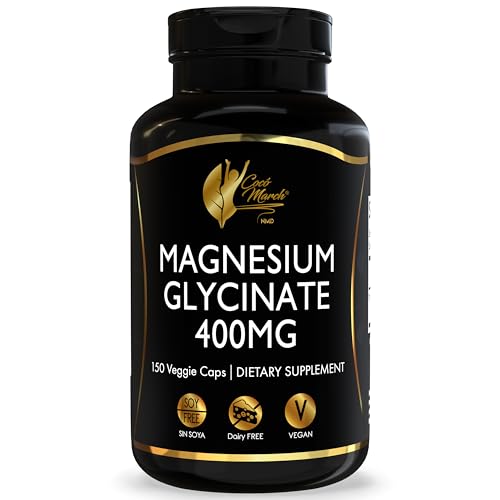
For instance, magnesium oxide has a relatively high percentage of elemental magnesium by weight, while magnesium citrate or glycinate might have lower percentages. However, the percentage of elemental magnesium is only one piece of the puzzle; how well the body can absorb that magnesium also plays a significant role in its overall utility.
Chelated Magnesium and Elemental Content
Chelated magnesium forms, such as magnesium glycinate, are compounds where magnesium is bound to amino acids. This chelation process is designed to enhance the stability and potential absorption of the mineral. While the total weight of a chelated magnesium compound might be higher, the elemental magnesium content within that compound is what determines the actual magnesium available to the body.

When comparing different magnesium supplements, especially chelated forms, always refer to the ‘elemental magnesium’ amount to make an accurate comparison of dosage. For example, one brand of magnesium glycinate might provide 100 mg of elemental magnesium per capsule, while another might offer 120 mg, even if the total compound weight appears similar.
Bioavailability and Different Magnesium Forms
Beyond the elemental content, the bioavailability of a magnesium supplement is a crucial factor. Bioavailability refers to the proportion of a nutrient that is absorbed from the digestive tract and utilized by the body. Some studies have explored the absorption profiles of different magnesium compounds, indicating that not all forms are absorbed equally [1].
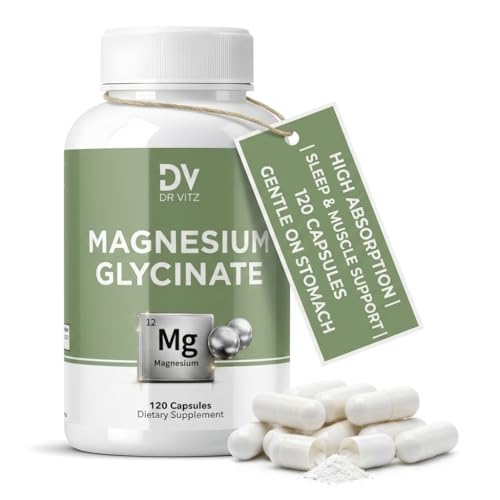
While the elemental magnesium content tells you how much magnesium is present, the form it’s in can influence how much of that elemental magnesium actually makes it into your system. For example, some research has investigated how different preparations of magnesium might be absorbed [2]. This highlights that a higher elemental magnesium percentage doesn’t automatically mean superior absorption if the form itself is not well-utilized by the body. The goal is to find a balance between adequate elemental magnesium and a form that is well-tolerated and readily absorbed.
Reading Your Magnesium Supplement Label
To effectively read a magnesium supplement label, first identify the specific magnesium compound listed (e.g., magnesium glycinate, magnesium citrate). Then, locate the ‘elemental magnesium’ or ‘total magnesium’ amount, which is typically expressed in milligrams (mg). This number is your key indicator for dosage.
Always compare elemental magnesium values when evaluating different products or adjusting your intake. If a label only provides the total compound weight, it may be helpful to consult the manufacturer or a healthcare professional for clarification on the elemental magnesium content. This careful approach can help ensure you are taking the amount of magnesium you intend.


References
- Dose-Dependent Absorption Profile of Different Magnesium Compounds. Biological trace element research, 2019
- Comparing the Bioavailability of Two Seawater-Derived Magnesium Preparations. Journal of medicinal food, 2025
These statements have not been evaluated by the Food and Drug Administration. This information is not intended to diagnose, treat, cure, or prevent any disease. Content is for informational purposes only and is not medical advice; consult a qualified healthcare provider before starting any supplement. As an Amazon Associate we earn from qualifying purchases.
