Ready to buy? Check current prices on Amazon and compare deals before you decide.
Are you one of the millions of women waking up tired, battling nightly leg cramps, or feeling a constant hum of anxiety? Perhaps your doctor mentioned magnesium, and now you’re staring at an overwhelming array of options: magnesium citrate, oxide, malate, L-threonate… and the one everyone keeps talking about for sleep and calm, magnesium glycinate. It’s enough to make anyone feel more confused than rested.
You’re not alone in feeling lost. The good news is, you’ve landed in the right place. By 2026, the science on magnesium forms is clearer than ever, and magnesium glycinate continues to stand out for its unique benefits and excellent tolerability. This comprehensive guide will cut through the confusion, explain why glycinate is so often recommended, and help you choose the best supplement to support your sleep, calm your mind, ease muscle tension, and fortify your bones.
As an Amazon Associate, MagnesiumHub earns from qualifying purchases made through the links in this article.
Why Magnesium Glycinate? Understanding the “Bioavailability” Buzz
When you take a magnesium supplement, the form it comes in significantly impacts how much magnesium your body actually absorbs and utilizes. This concept is called bioavailability. Many common forms, like magnesium oxide, contain a high percentage of elemental magnesium but are poorly absorbed, meaning much of it passes through your system without benefit.
Magnesium glycinate is different. It’s magnesium bound to glycine, a small amino acid. This chelated form is highly bioavailable, meaning your body can absorb and use a greater proportion of the magnesium it contains. The glycine itself also offers synergistic benefits, particularly for relaxation and sleep.

The Glycine Advantage: More Than Just Absorption
Glycine is an inhibitory neurotransmitter, meaning it can help calm the brain and promote relaxation. Research suggests glycine promotes sleep partly by lowering core body temperature, an effect traced to NMDA receptors in the brain’s circadian pacemaker[3], and small human studies report better subjective sleep quality after an evening dose[4]. When magnesium is bound to glycine, you get the double benefit of well-absorbed magnesium and the calming effects of glycine, making it a powerful combination for sleep and anxiety support.
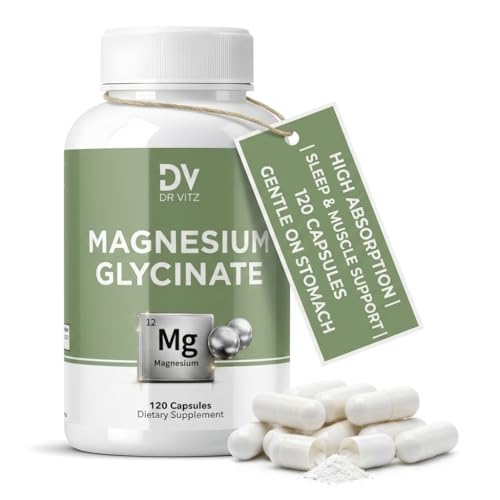
Magnesium Glycinate for Sleep: Evidence and Mechanisms
One of the most common reasons women, especially those in perimenopause, turn to magnesium glycinate is for sleep improvement. Magnesium plays a critical role in regulating neurotransmitters that promote sleep, such as GABA (gamma-aminobutyric acid). GABA helps quiet nerve activity, making it easier to fall asleep and stay asleep.
Magnesium also helps regulate melatonin, the hormone that controls your sleep-wake cycle. A systematic review of the literature on magnesium and sleep found that observational studies do link magnesium status to sleep quality, while the randomised trials run so far have reported contradictory results[1]. The most-cited of those trials, a double-blind placebo-controlled study in older adults with primary insomnia, did report improvements in sleep efficiency and time to fall asleep[2]. The mechanism is plausible; the trial evidence is not yet settled. While direct, large-scale studies specifically on magnesium glycinate and sleep are still emerging, the combined effects of highly bioavailable magnesium and calming glycine provide a strong rationale for its efficacy.
Magnesium Glycinate for Perimenopause Symptoms: Anxiety, Mood, and Muscle Cramps
The perimenopausal transition brings a cascade of hormonal changes that can manifest as anxiety, mood swings, and disruptive muscle cramps. Magnesium deficiency can exacerbate these symptoms, making adequate intake particularly important during this phase of life.
Anxiety and Mood Regulation
Magnesium helps modulate the body’s stress response system, specifically the hypothalamic-pituitary-adrenal (HPA) axis. By regulating neurotransmitters and hormones, magnesium can help reduce feelings of anxiety and improve mood stability. The glycine component of magnesium glycinate further supports this by acting as a calming agent in the brain. An open-label randomised trial in PLoS One found that 248 mg of elemental magnesium daily improved symptoms in adults with mild-to-moderate depression[5]. For anxiety specifically, a systematic review concluded the evidence is suggestive of benefit in anxiety-prone groups, while rating the quality of the underlying trials as poor[6].
Easing Muscle Cramps and Restless Legs
Nightly leg cramps and restless legs are common complaints, especially among women in their 40s and 50s. Magnesium is essential for proper muscle function, nerve transmission, and electrolyte balance. It acts as a natural calcium channel blocker, helping muscles relax. When magnesium levels are low, muscles can become overstimulated, leading to painful cramps and spasms. Magnesium glycinate, with its excellent absorption, can effectively replenish magnesium stores to alleviate these uncomfortable symptoms.

Magnesium Forms Comparison: Glycinate vs. The Rest
Navigating the various forms of magnesium can be daunting. Here’s a quick comparison to help you understand why magnesium glycinate is often the preferred choice for many individuals, especially for sleep and general calm, compared to other popular forms.
| Magnesium Form | Primary Use Cases | Key Characteristics | Bioavailability | Common Side Effects |
|---|---|---|---|---|
| Magnesium Glycinate | Sleep, relaxation, anxiety, muscle cramps, general deficiency | Magnesium bound to glycine; very gentle on the stomach. | High | Rare stomach upset, mild drowsiness (for some) |
| Magnesium Citrate | Constipation, general deficiency | Magnesium bound to citric acid; known for its laxative effect. | Good | Diarrhea, stomach cramps (especially at higher doses) |
| Magnesium Oxide | Indigestion, occasional constipation (laxative) | High elemental magnesium content but very poorly absorbed. | Poor | Laxative effect, little systemic benefit |
| Magnesium Malate | Energy production, muscle pain, fibromyalgia | Magnesium bound to malic acid; may support ATP production. | Good | Generally well-tolerated, some may experience mild energy boost |
| Magnesium L-Threonate | Cognitive function, brain health | Unique ability to cross the blood-brain barrier effectively. | Good (specifically for brain) | Generally well-tolerated, may be more expensive |
| Magnesium Taurate | Cardiovascular health, blood sugar regulation | Magnesium bound to taurine; taurine supports heart health. | Good | Generally well-tolerated |
As you can see, while other forms have their specific benefits, magnesium glycinate stands out for its high bioavailability and gentle nature, making it ideal for systemic benefits without the common digestive upset associated with other forms like citrate or oxide.
Choosing the Best Magnesium Glycinate Supplement (2026)
With so many products on the market, selecting the right magnesium glycinate supplement requires attention to a few key details. By 2026, transparency and quality testing are paramount.
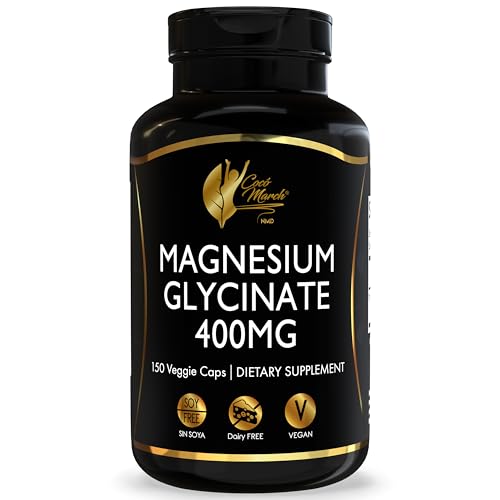
What to Look For: Key Features
When you’re ready to purchase, keep these criteria in mind:
Third-Party Testing: Look for supplements that have been independently tested for purity, potency, and absence of contaminants. Certifications from organizations like NSF International, USP, or ConsumerLab.com provide assurance of quality. This is crucial as the FDA does not regulate supplements in the same way it does pharmaceuticals.
Elemental Magnesium Content: Pay attention to the amount of “elemental magnesium” per serving, not just the total magnesium glycinate. This tells you how much actual magnesium your body will receive. A typical therapeutic dose for sleep or anxiety ranges from 200-400 mg of elemental magnesium per day, often split into two doses.
Formulation: Opt for products with minimal fillers, artificial colors, or unnecessary additives. If you have dietary restrictions, check for gluten-free, dairy-free, or vegan certifications. Some brands offer magnesium glycinate in powder form, which can be beneficial for those who prefer not to swallow pills or want to adjust their dosage more precisely.
Dosage and Serving Size: Ensure the serving size aligns with your needs and that the total daily dosage is easy to manage. Some products require multiple capsules to reach an effective dose, which might not be ideal for everyone.

Where to Find Quality Magnesium Glycinate
When searching online, focus your search on reputable brands known for their commitment to quality and transparency. Consider these types of products:
Third-party tested magnesium glycinate capsules: These are a convenient and popular option, ensuring consistent dosing.
Pure magnesium glycinate powder: Ideal for those who prefer to mix their supplements into drinks or want more flexibility with dosage.
Vegan magnesium glycinate supplements: For individuals following plant-based diets, ensuring no animal-derived ingredients are used.

Potential Side Effects and Precautions
Magnesium glycinate is generally well-tolerated. Unlike other forms, it rarely causes digestive upset or laxative effects due to its high absorption rate and the gentle nature of glycine. However, some individuals might experience mild side effects, especially when starting a new supplement or taking higher doses.
These can include mild drowsiness, which is often a desired effect when taking it for sleep, or very rarely, a slight headache or nausea. If you experience any adverse effects, reduce your dosage or consult with a healthcare professional.
Always consult your doctor before starting any new supplement, especially if you have pre-existing medical conditions (such as kidney disease), are pregnant or breastfeeding, or are taking other medications. Magnesium can interact with certain drugs, including antibiotics, diuretics, and proton pump inhibitors.
Conclusion: Embrace the Calm of Magnesium Glycinate
Navigating the world of magnesium supplements can feel overwhelming, but a clear picture of what magnesium glycinate does and does not do simplifies the choice for many. Be skeptical of the absorption pitch. Glycinate is genuinely better absorbed than magnesium oxide, which manages only about 4 percent fractional absorption[7], but it has not beaten the other well-absorbed forms in head-to-head testing: citrate produced the greatest mean serum magnesium in a randomised, double-blind, 60-day comparison in 46 adults[8], and in a 2025 crossover study against oxide and citrate, bisglycinate was the only form that did not significantly raise plasma magnesium[9]. Its gentle impact on digestion and the calming effects of glycine are the real reasons women choose it for sleep disturbances, anxiety, muscle cramps, and overall support during perimenopause.
By prioritizing third-party tested products with adequate elemental magnesium, you can confidently choose a supplement that truly supports your well-being. Here’s to better sleep, a calmer mind, and a more comfortable journey through every stage of life.
Frequently Asked Questions (FAQ)
What is the best time of day to take magnesium glycinate?
For sleep and relaxation benefits, it is generally recommended to take magnesium glycinate 30-60 minutes before bedtime. If you are taking it for general deficiency or anxiety, you might split the dose and take it earlier in the day.
How long does it take for magnesium glycinate to work?
Some individuals report feeling the calming effects within hours of the first dose. For more chronic issues like sleep improvement or reduced muscle cramps, consistent daily use for a few weeks may be needed to notice significant benefits as your body’s magnesium stores are replenished.
Can magnesium glycinate help with hot flashes during perimenopause?
While magnesium glycinate is not a direct treatment for hot flashes, its ability to reduce anxiety, improve sleep, and support overall nervous system balance can indirectly help manage the stress and discomfort often associated with perimenopausal symptoms, including the perception of hot flashes.
Is magnesium glycinate safe for long-term use?
For most healthy individuals, magnesium glycinate is safe for long-term use within recommended dosages. However, always discuss long-term supplementation with your healthcare provider to ensure it remains appropriate for your individual health needs.
What is the difference between magnesium glycinate and magnesium bisglycinate?
Magnesium glycinate and magnesium bisglycinate are essentially the same. “Bisglycinate” simply indicates that two glycine molecules are bound to one magnesium molecule, which is the standard chelated form that provides excellent absorption and gentle digestion.
Can I take magnesium glycinate with other medications?
Magnesium can interact with certain medications, including some antibiotics, diuretics, and heart medications. It is crucial to consult your doctor or pharmacist before combining magnesium glycinate with any prescription drugs to avoid potential interactions.
These statements have not been evaluated by the FDA. This product is not intended to diagnose, treat, cure, or prevent any disease.
References
- The Role of Magnesium in Sleep Health: a Systematic Review of Available Literature. Biol Trace Elem Res, 2023
- The effect of magnesium supplementation on primary insomnia in elderly: A double-blind placebo-controlled clinical trial. J Res Med Sci, 2012
- The sleep-promoting and hypothermic effects of glycine are mediated by NMDA receptors in the suprachiasmatic nucleus. Neuropsychopharmacology, 2015
- New therapeutic strategy for amino acid medicine: glycine improves the quality of sleep. J Pharmacol Sci, 2012
- Role of magnesium supplementation in the treatment of depression: A randomized clinical trial. PLoS One, 2017
- The Effects of Magnesium Supplementation on Subjective Anxiety and Stress-A Systematic Review. Nutrients, 2017
- Bioavailability of US commercial magnesium preparations. Magnesium research, 2002
- Mg citrate found more bioavailable than other Mg preparations in a randomised, double-blind study. Magnesium research, 2004
- Comparative Clinical Study on Magnesium Absorption and Side Effects After Oral Intake of Microencapsulated Magnesium (MAGSHAPETM Microcapsules) Versus Other Magnesium Sources. Nutrients, 2025
These statements have not been evaluated by the Food and Drug Administration. This information is not intended to diagnose, treat, cure, or prevent any disease. Content is for informational purposes only and is not medical advice; consult a qualified healthcare provider before starting any supplement. As an Amazon Associate we earn from qualifying purchases.
