Navigating midlife and perimenopause can bring a range of changes, and for many women, this includes new or intensified feelings of anxiety. As bodies adjust, seeking ways to support emotional well-being becomes a priority.
Magnesium is an essential mineral involved in numerous bodily functions, and its potential role in supporting nerve function and emotional balance has garnered interest. Specifically, magnesium glycinate, a form of magnesium, is often discussed for its gentle absorption and potential calming properties.
Understanding Anxiety During Midlife and Perimenopause
The perimenopausal transition, leading up to menopause, is characterized by fluctuating hormone levels, particularly estrogen and progesterone. These hormonal shifts can influence mood regulation and contribute to symptoms such as irritability, mood swings, and increased feelings of anxiety.
Beyond hormonal changes, midlife often brings other stressors, including career demands, family responsibilities, and aging parents. These factors, combined with physiological changes, can create a complex landscape where anxiety symptoms may become more noticeable or challenging to manage.

Magnesium’s Role in Nerve Function and Well-being
Magnesium is a vital mineral that participates in over 300 enzymatic reactions in the body. Its roles include muscle and nerve function, blood glucose control, and blood pressure regulation. Given its involvement in nerve function, researchers have explored its potential connection to mental well-being.
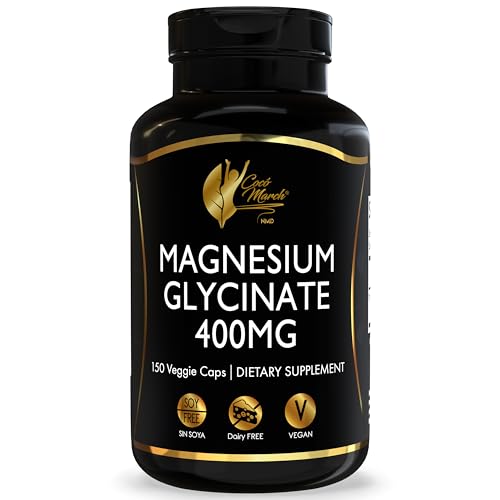
Some research suggests a potential link between magnesium status and anxiety. A systematic review published in 2010 noted that some studies indicated a positive effect of magnesium supplementation on anxiety symptoms, though the evidence was mixed and often derived from small studies [1]. This highlights the need for more robust research in this area.
Why Magnesium Glycinate for Anxiety Symptoms?
Among the various forms of magnesium available, magnesium glycinate is often highlighted for its potential benefits related to calming the nervous system. This form combines magnesium with glycine, an amino acid known for its calming properties. The chelated form of magnesium glycinate is also generally well-tolerated and may be less likely to cause digestive upset compared to some other magnesium compounds.
While direct, large-scale studies specifically on magnesium glycinate for perimenopausal anxiety are limited, the general understanding of magnesium’s role in nerve function, combined with glycine’s known effects, makes it a focus of interest for those seeking support for anxiety symptoms.
Evidence and Current Understanding
While specific high-quality studies on magnesium glycinate’s direct impact on perimenopausal anxiety are still emerging, existing research on magnesium and anxiety in general provides some context. The 2010 systematic review on nutritional and herbal supplements for anxiety acknowledged magnesium’s potential, but also emphasized that the evidence base was not consistently strong across all studies reviewed [1].
Another study focused on climacteric symptoms in perimenopausal women, including anxiety, examined serum mineral status. This research, published in 2013, explored serum mineral levels in perimenopausal women and noted that such levels can be relevant to climacteric symptoms, though it did not specifically evaluate magnesium glycinate supplementation for anxiety reduction [2].
It is important to understand that current evidence regarding magnesium for anxiety, particularly in the perimenopausal population, is moderate. While promising, more targeted and larger-scale research is needed to fully understand its efficacy and optimal use.
Integrating Magnesium Glycinate into Your Wellness Routine
If considering magnesium glycinate to support anxiety symptoms during midlife, it’s generally approached as a complementary strategy within a broader wellness plan. This plan might include stress management techniques, regular physical activity, a balanced diet, and adequate sleep.
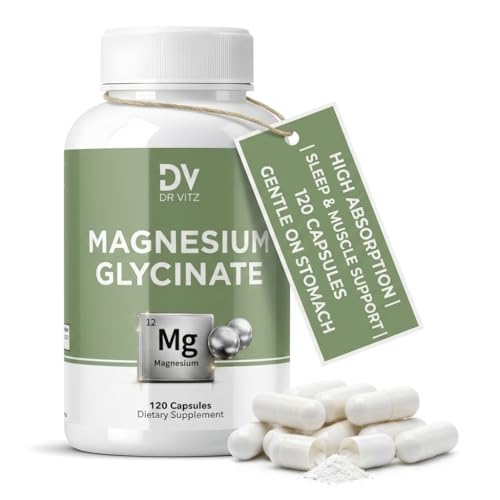
When choosing a magnesium glycinate supplement, look for reputable brands and follow dosage instructions. Individual responses to supplements can vary, and consistency is often key when observing potential benefits.

References
- Nutritional and herbal supplements for anxiety and anxiety-related disorders: systematic review. Nutrition journal, 2010
- Serum mineral status and climacteric symptoms in perimenopausal women before and after Yoga therapy, an ongoing study. Journal of mid-life health, 2013
These statements have not been evaluated by the Food and Drug Administration. This information is not intended to diagnose, treat, cure, or prevent any disease. Content is for informational purposes only and is not medical advice; consult a qualified healthcare provider before starting any supplement. As an Amazon Associate we earn from qualifying purchases.
