Are you one of the millions of women waking up tired, battling persistent muscle cramps, or feeling overwhelmed by anxiety as you navigate perimenopause? If you’ve started researching natural solutions, magnesium has undoubtedly popped up. But then you’re hit with a dizzying array of options: magnesium citrate, oxide, malate, threonate… and the one that keeps appearing for sleep and stress relief: magnesium glycinate.
It’s enough to make anyone throw their hands up in confusion. What exactly is magnesium glycinate, how does it differ from the others, and more importantly, what does the actual scientific research say about its benefits for sleep, mood, muscles, and bone health, especially for women in their 40s and 50s? Let’s cut through the noise and look at the evidence.
FTC Disclosure: This article contains affiliate links. If you make a purchase through these links, MagnesiumHub may earn a small commission at no extra cost to you. This helps support our mission to provide evidence-based information.
Understanding Magnesium Glycinate: Why Form Matters
Magnesium is an essential mineral involved in over 300 biochemical reactions in the body, from nerve function and muscle contraction to energy production and bone formation. However, not all magnesium supplements are created equal.
Magnesium glycinate is a chelated form of magnesium, meaning magnesium is bound to the amino acid glycine. This binding is key to its distinct properties compared to other forms like magnesium oxide or citrate.
Glycinate vs. Other Magnesium Forms
The primary advantage of magnesium glycinate lies in its bioavailability and gentleness on the digestive system. Glycine acts as a carrier, facilitating magnesium absorption without competing with other minerals.
Here’s a quick comparison of common forms:
| Magnesium Form | Key Characteristics | Common Uses |
|---|---|---|
| Magnesium Glycinate | Highly bioavailable, well-tolerated, less likely to cause digestive upset. Glycine has calming properties. | Sleep, anxiety, muscle relaxation, general deficiency. |
| Magnesium Citrate | Good bioavailability, mild laxative effect at higher doses. | Constipation relief, general deficiency. |
| Magnesium Oxide | Poor bioavailability, high elemental magnesium content, strong laxative effect. | Constipation, heartburn (antacid). Not ideal for addressing deficiency. |
| Magnesium Malate | Often combined with malic acid, which plays a role in energy production. | Muscle pain, fatigue, energy support. |
| Magnesium Threonate | A newer form, specifically designed to cross the blood-brain barrier. | Cognitive function, memory. |
For individuals seeking magnesium for sleep, anxiety, or general deficiency without the risk of digestive discomfort, magnesium glycinate is often a preferred choice, though the reason is its minimal laxative effect rather than any absorption advantage. It is clearly better absorbed than magnesium oxide, whose fractional absorption is about 4 percent[8], but it has not been shown to beat the other well-absorbed forms: citrate produced the greatest mean serum magnesium in a randomised, double-blind, 60-day comparison in 46 adults[9], and bisglycinate was the only form that did not significantly raise plasma magnesium in a 2025 crossover study against oxide and citrate[10].
Magnesium Glycinate for Sleep Quality
One of the most common reasons women turn to magnesium glycinate is to improve sleep. The research suggests several mechanisms through which it may help.
Magnesium plays a critical role in regulating neurotransmitters that promote sleep. It activates the parasympathetic nervous system, which is responsible for calming and relaxing the body.
Specifically, magnesium binds to gamma-aminobutyric acid (GABA) receptors, a neurotransmitter that reduces nerve activity in the brain, helping you feel more relaxed and ready for sleep. Additionally, magnesium helps regulate melatonin, the hormone that guides your sleep-wake cycle.
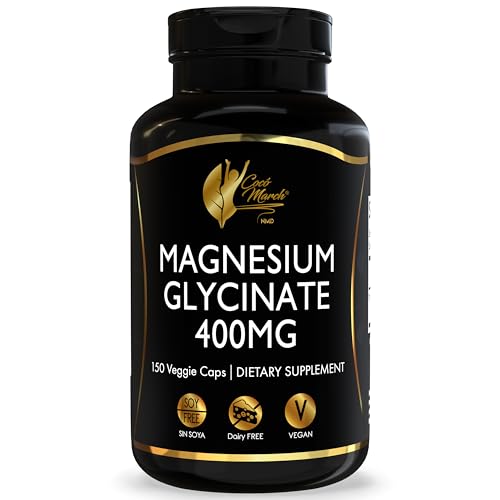
The glycine component of magnesium glycinate also contributes to its sleep-promoting effects. Glycine itself is an inhibitory neurotransmitter that can lower core body temperature and promote relaxation, signaling to the brain that it’s time to sleep.
While large-scale, placebo-controlled trials specifically on magnesium glycinate for sleep are still emerging, studies on general magnesium supplementation have shown promise. A 2012 randomized clinical trial published in the Journal of Research in Medical Sciences found that magnesium supplementation improved subjective measures of insomnia, sleep efficiency, and sleep onset latency in elderly individuals[1].
Restless legs syndrome, which often disrupts sleep, is sometimes raised as a second use, and the evidence there is weaker than it is usually presented. A systematic review of the available magnesium studies in restless legs syndrome was unable to reach a conclusion on effectiveness, and the one randomised placebo-controlled trial it identified found no significant treatment effect[2]. A 2024 open-label pilot in 12 treatment-naive adults did report symptom improvement, but it used magnesium citrate rather than glycinate and had no placebo group[3].
For women experiencing sleep disturbances during perimenopause, which can be exacerbated by hormonal fluctuations, magnesium glycinate may offer a gentle and effective way to support more restful nights.
Easing Anxiety and Stress with Magnesium Glycinate
Anxiety and stress are increasingly prevalent, and many individuals seek natural ways to manage these feelings. Magnesium is often referred to as “nature’s tranquilizer” due to its role in regulating the body’s stress response.
Magnesium helps modulate the hypothalamic-pituitary-adrenal (HPA) axis, which is the central stress response system. By influencing neurotransmitters like GABA and serotonin, magnesium can help calm an overactive nervous system.
Deficiency in magnesium has been linked to increased anxiety and stress susceptibility. The glycine in magnesium glycinate further enhances its calming properties, as glycine itself has been shown to have anxiolytic (anxiety-reducing) effects.
A systematic review published in Nutrients in 2017 examined the effect of magnesium supplementation on anxiety. It found the evidence suggestive of a benefit in anxiety-prone groups — mildly anxious people, premenstrual syndrome, hypertension — while explicitly rating the quality of the underlying studies as poor and calling for better-controlled trials[4].
For women navigating the emotional shifts of perimenopause, where anxiety can become more pronounced, magnesium glycinate provides a form that is well-absorbed and specifically combines magnesium with a calming amino acid, making it a thoughtful choice.
Muscle Cramps and Magnesium Glycinate
Persistent muscle cramps, especially in the legs, are a common complaint. Magnesium plays a vital role in muscle function, including contraction and relaxation.
It acts as a natural calcium channel blocker, preventing excessive calcium influx into muscle cells, which can lead to over-contraction and cramps. Adequate magnesium levels help ensure smooth muscle relaxation after contraction.
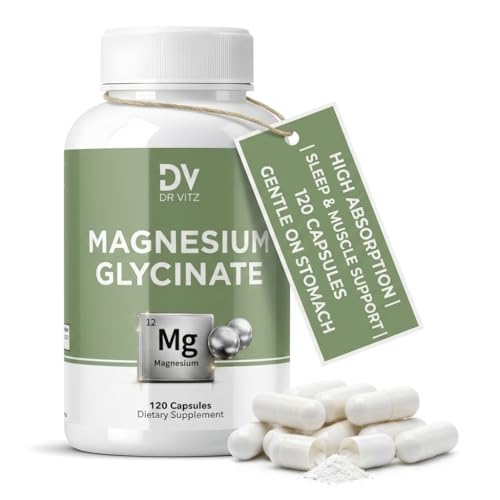
Many individuals experiencing nocturnal leg cramps or general muscle tightness find relief with magnesium supplementation. The best available evidence here is less encouraging than the marketing suggests. A Cochrane review of 11 randomised trials concluded it is unlikely that magnesium supplementation provides clinically meaningful cramp prevention for older adults, and found the literature on pregnancy-associated leg cramps to be conflicting[5].
Magnesium glycinate specifically has not been the focus of muscle cramp studies, and the mechanism usually claimed here is worth being careful about. Glycinate is better absorbed than magnesium oxide, which manages only about 4 percent fractional absorption[8], but that does not establish that it delivers more magnesium to muscle tissue. The trials that compared magnesium forms measured urinary excretion[8], serum concentration[9] and blood plasma levels[10], not uptake into muscle, and in the most recent of them bisglycinate was the one form that did not significantly raise plasma magnesium[10]. Being better absorbed than oxide is not the same as a demonstrated benefit for cramps.
Magnesium Glycinate and Bone Health in Perimenopause
Bone health becomes a significant concern for women in their 40s and 50s as estrogen levels decline during perimenopause and menopause. Magnesium is not just about calcium; it’s a critical component of bone structure itself.
Approximately 50-60% of the body’s total magnesium is stored in the bones. It plays a role in bone mineral density by influencing the activity of osteoblasts and osteoclasts, the cells responsible for bone formation and breakdown.
Furthermore, magnesium is essential for the activation of Vitamin D, which is crucial for calcium absorption and bone mineralization. Without sufficient magnesium, Vitamin D cannot effectively perform its role in bone health.
In the Women’s Health Initiative Observational Study of 73,684 postmenopausal women, those with the highest magnesium intakes had roughly 3% higher hip and 2% higher whole-body bone mineral density than those with the lowest[6]. Fracture risk is a separate question, and worth stating plainly: that same study found no difference in hip or total fracture rates across intake levels, and a modestly higher rate of wrist and lower-arm fractures in the highest-intake groups. A later meta-analysis likewise found high magnesium intake was not significantly associated with fracture risk, while confirming a marginal positive correlation with hip and femoral-neck bone density[7].
While calcium and Vitamin D often get all the attention for bone health, magnesium is an indispensable partner. For women concerned about maintaining bone strength during the perimenopausal transition, a highly absorbable form like magnesium glycinate is a smart addition to their wellness regimen.

Choosing the Best Magnesium Glycinate Supplement
When searching for a magnesium glycinate supplement, consider a few key factors to ensure you’re getting a high-quality product that meets your needs.
Look for products that clearly state “magnesium glycinate” or “magnesium bisglycinate” on the label. Some brands might use “magnesium chelate,” which isn’t always specific about the chelating agent.
Additionally, check for third-party testing certifications. These certifications from organizations like NSF International or USP verify the product’s purity, potency, and absence of contaminants.

Consider the dosage; typical recommendations for magnesium glycinate for sleep or anxiety range from 200-400 mg of elemental magnesium per day, often taken in the evening. Always start with a lower dose and gradually increase to assess tolerance.
You can find excellent options by searching for magnesium glycinate capsules, magnesium glycinate powder, or chewable magnesium glycinate on Amazon. Remember to read reviews and check the ingredient list for unnecessary fillers.
Conclusion
Magnesium glycinate is a sensible everyday form for women navigating the perimenopausal years, chosen for its gentleness rather than for any proven absorption advantage. It is far better absorbed than magnesium oxide[8], but citrate produced the greatest mean serum magnesium in the 60-day randomised comparison that tested them side by side[9], and bisglycinate did not significantly raise plasma magnesium in a 2025 crossover study[10]. What it does offer is a form most people can take daily without the digestive upset that drives them off the laxative forms, which is what matters when you are addressing sleep disturbances, anxiety, muscle cramps and bone health.
While more targeted research on magnesium glycinate specifically is always welcome, the existing body of evidence on general magnesium supplementation, combined with the known benefits of glycine, paints a compelling picture. By understanding the science and choosing the right form, you can confidently integrate magnesium glycinate into your wellness routine and experience its potential benefits.
Frequently Asked Questions (FAQ)
What is the best time of day to take magnesium glycinate?
For sleep and relaxation benefits, it’s generally recommended to take magnesium glycinate about 30-60 minutes before bedtime. If you’re taking it for general deficiency or anxiety, you can split the dose throughout the day or take it with your largest meal.
Can magnesium glycinate cause diarrhea?
Magnesium glycinate is known for being very gentle on the digestive system and is much less likely to cause diarrhea compared to forms like magnesium citrate or magnesium oxide. If you experience digestive upset, it might be due to a very high dose, or another ingredient in the supplement.
How long does it take for magnesium glycinate to work?
Some individuals report feeling calming effects or improved sleep within a few days of consistent use. For more chronic issues like muscle cramps or significant anxiety, it might take 2-4 weeks to notice substantial improvements. Consistency is key.
Can I take magnesium glycinate with other supplements?
Magnesium glycinate can generally be taken with most other supplements. However, it’s always wise to consult with a healthcare professional, especially if you are taking prescription medications, as magnesium can interact with certain drugs (e.g., some antibiotics, diuretics).
Is magnesium glycinate safe during perimenopause?
Yes, magnesium glycinate is generally considered safe and can be particularly beneficial during perimenopause for managing symptoms like sleep disturbances, anxiety, and supporting bone health. Always discuss any new supplement regimen with your doctor, especially if you have underlying health conditions.
These statements have not been evaluated by the FDA. This product is not intended to diagnose, treat, cure, or prevent any disease.
References
- The effect of magnesium supplementation on primary insomnia in elderly: A double-blind placebo-controlled clinical trial. J Res Med Sci, 2012
- Magnesium supplementation for the treatment of restless legs syndrome and periodic limb movement disorder: A systematic review. Sleep Med Rev, 2019
- Magnesium citrate monotherapy improves restless legs syndrome symptoms and multiple suggested immobilization test scores in an open-label pilot study. J Clin Sleep Med, 2024
- The Effects of Magnesium Supplementation on Subjective Anxiety and Stress-A Systematic Review. Nutrients, 2017
- Magnesium for skeletal muscle cramps. Cochrane Database Syst Rev, 2020
- Magnesium intake, bone mineral density, and fractures: results from the Women's Health Initiative Observational Study. Am J Clin Nutr, 2014
- Dietary magnesium intake, bone mineral density and risk of fracture: a systematic review and meta-analysis. Osteoporos Int, 2016
- Bioavailability of US commercial magnesium preparations. Magnesium research, 2002
- Mg citrate found more bioavailable than other Mg preparations in a randomised, double-blind study. Magnesium research, 2004
- Comparative Clinical Study on Magnesium Absorption and Side Effects After Oral Intake of Microencapsulated Magnesium (MAGSHAPETM Microcapsules) Versus Other Magnesium Sources. Nutrients, 2025
These statements have not been evaluated by the Food and Drug Administration. This information is not intended to diagnose, treat, cure, or prevent any disease. Content is for informational purposes only and is not medical advice; consult a qualified healthcare provider before starting any supplement. As an Amazon Associate we earn from qualifying purchases.
