As women navigate midlife and the menopausal transition, maintaining cardiovascular health often becomes a key consideration. Lifestyle choices, including nutritional intake, play a significant role in supporting overall well-being during this time.
Magnesium, an essential mineral, is involved in numerous bodily functions. This article explores the current understanding of magnesium’s potential role in cardiovascular health, particularly for women during their midlife years, without making medical claims.
Understanding Magnesium’s Role in the Body
Magnesium is a mineral crucial for over 300 enzymatic reactions in the body. These reactions are involved in processes such as muscle and nerve function, blood sugar regulation, and blood pressure maintenance. It also contributes to protein synthesis, bone health, and energy production. Ensuring adequate magnesium intake is a foundational aspect of general health.
While this article focuses on cardiovascular aspects, it’s important to recognize that magnesium’s broad involvement in physiological processes underscores its overall importance. For many, dietary intake might not always meet optimal levels, leading some to consider supplementation.
Magnesium and Blood Pressure Management
Maintaining healthy blood pressure is a significant aspect of cardiovascular well-being, especially as women enter midlife. While magnesium’s direct impact on blood pressure in healthy individuals is an area of ongoing research, its involvement in vascular function is recognized. Some studies have explored magnesium’s potential influence on blood vessel relaxation and overall cardiovascular dynamics.
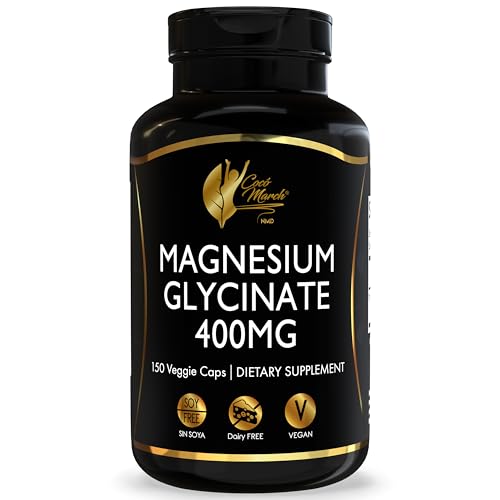
It’s worth noting that while magnesium’s role in general blood pressure regulation is a broad area of study, specific research on magnesium glycinate and its direct impact on blood pressure in midlife women is still developing. However, the importance of magnesium in maintaining normal physiological functions related to the cardiovascular system is widely accepted.
Magnesium and Preeclampsia: A Historical Context
While not directly related to midlife or menopause, the use of magnesium sulfate in managing certain hypertensive disorders of pregnancy provides a strong example of magnesium’s critical role in specific cardiovascular conditions. Preeclampsia, a condition characterized by high blood pressure during pregnancy, can have serious implications [1].
Magnesium sulfate has been shown to be effective in managing eclampsia and preventing its recurrence in women with preeclampsia [2]. It is also used in the management of postpartum preeclampsia or eclampsia [3]. This historical and clinical application highlights magnesium’s impact on severe blood pressure-related events, underscoring its profound physiological effects. However, it’s crucial to understand that this specific application is for acute, severe medical conditions and is distinct from general cardiovascular health support in midlife.
Magnesium Glycinate: Absorption and Bioavailability
When considering magnesium supplementation for general well-being, the form of magnesium can influence how well it is absorbed and utilized by the body. Magnesium glycinate is a chelated form, meaning magnesium is bound to the amino acid glycine. This chelation is thought to enhance absorption and reduce the potential for digestive discomfort often associated with other forms of magnesium.

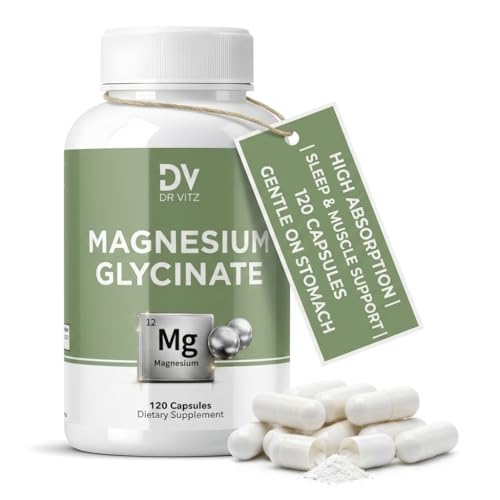
Improved absorption means that a greater proportion of the magnesium consumed may be available for the body’s various functions, including those supporting cardiovascular health. The glycine component itself is also an amino acid involved in various bodily processes, potentially offering additional general support.
Considering Magnesium for Overall Well-being in Midlife
Beyond specific cardiovascular parameters, adequate magnesium intake contributes to overall well-being, which indirectly supports heart health. For instance, magnesium is involved in energy metabolism and muscle function, which can be relevant for maintaining an active lifestyle [4]. An active lifestyle is a known factor in supporting cardiovascular health.
Additionally, magnesium has been studied for its potential impact on stress levels. A systematic review examined the impact of various supplements, including magnesium, on stress levels in women [5]. While this research provides a general context for magnesium’s role in well-being, it’s important to remember that stress management is multifaceted and involves various approaches. Supporting general well-being can be a holistic approach to health during midlife.


References
- The global impact of pre-eclampsia and eclampsia. Seminars in perinatology, 2009
- Do women with pre-eclampsia, and their babies, benefit from magnesium sulphate? The Magpie Trial: a randomised placebo-controlled trial. Lancet (London, England), 2002
- Postpartum preeclampsia or eclampsia: defining its place and management among the hypertensive disorders of pregnancy. American journal of obstetrics and gynecology, 2022
- Can Magnesium Enhance Exercise Performance?. Nutrients, 2017
- The impact of essential fatty acid, B vitamins, vitamin C, magnesium and zinc supplementation on stress levels in women: a systematic review. JBI database of systematic reviews and implementation reports, 2017
These statements have not been evaluated by the Food and Drug Administration. This information is not intended to diagnose, treat, cure, or prevent any disease. Content is for informational purposes only and is not medical advice; consult a qualified healthcare provider before starting any supplement. As an Amazon Associate we earn from qualifying purchases.
