For women navigating midlife and menopause, supporting overall well-being often involves a thoughtful approach to nutrition. While magnesium glycinate can be a valuable addition to your routine, integrating magnesium-rich foods into your diet offers a natural and complementary strategy.
This article explores various magnesium-rich foods, explaining how they can contribute to your daily intake and work alongside your supplement to support various bodily functions. Understanding these dietary sources can empower you to make informed choices for your health.
Why Focus on Magnesium During Midlife and Menopause?
Magnesium is an essential mineral involved in numerous bodily processes. It plays a role in muscle function, nerve function, and energy production [1]. Maintaining adequate magnesium levels is important for overall health, and dietary intake is a primary way to achieve this [2].
Pumpkin seeds, chia and almonds give the most magnesium per serving of these foods
Seeds, nuts, spinach and beans supply the most magnesium per serving here; banana, milk and salmon supply the least.
Magnesium per serving from the NIH food table, with percent of the Daily Value. Source: NIH Office of Dietary Supplements.
Data table
| Item | Value |
|---|---|
| Roasted pumpkin seeds, 1 ounce | 156 mg |
| Chia seeds, 1 ounce | 111 mg |
| Dry roasted almonds, 1 ounce | 80 mg |
| Boiled spinach, half cup | 78 mg |
| Cooked black beans, half cup | 60 mg |
| Cooked shelled edamame, half cup | 50 mg |
| Smooth peanut butter, 2 tablespoons | 49 mg |
| Banana, 1 medium | 32 mg |
| Milk, 1 cup | 27 mg |
| Farmed Atlantic salmon, cooked, 3 ounces | 26 mg |
Chart: magnesiumhub.com: Pumpkin seeds, chia and almonds give the most magnesium per serving of these foods
Embed this chart
Free to reuse on your site. Copy the code below; please keep the credit link.
During midlife and menopause, women may experience various physiological changes, making attention to nutrient intake particularly relevant. Incorporating magnesium-rich foods can be a proactive step in supporting general well-being during these life stages.
Leafy Green Vegetables: A Foundation of Magnesium
Leafy green vegetables are among the most accessible and nutrient-dense sources of magnesium. Boiled spinach is a standout example, with 78 mg of magnesium per half cup according to the NIH Office of Dietary Supplements. Kale, Swiss chard and collard greens are also commonly eaten [3]. These greens are not only rich in magnesium but also provide other vitamins and minerals, contributing to a balanced diet.
Research note: In the NIH food table, a half cup of cooked black beans has 60 mg of magnesium, a half cup of edamame 50 mg and 2 tablespoons of smooth peanut butter 49 mg [3].
A simple way to increase your intake of these vegetables is by adding them to salads, smoothies, or lightly sautéing them as a side dish. Regular consumption of leafy greens can significantly contribute to your daily magnesium intake, complementing any supplementation you may be using.
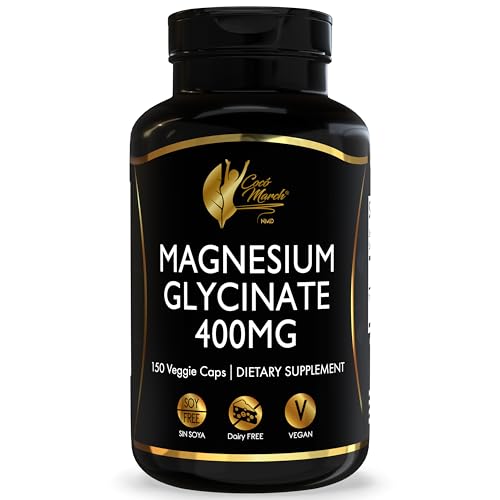
Nuts and Seeds: Convenient Magnesium Boosters
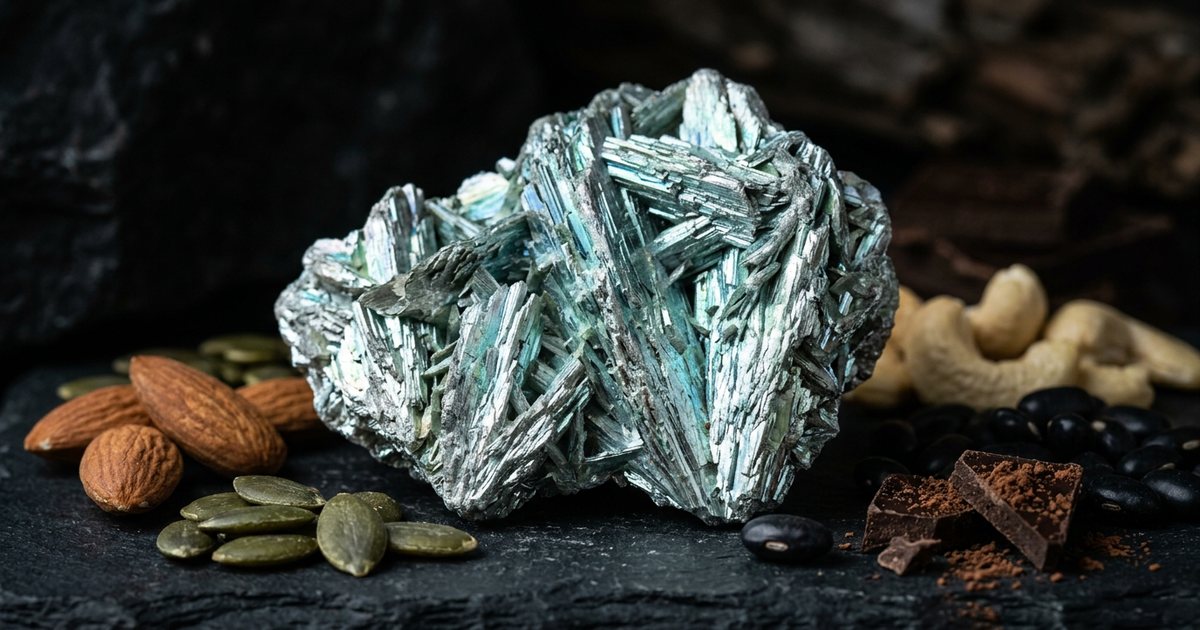
Nuts and seeds offer a convenient and concentrated source of magnesium. Among seeds, roasted pumpkin seeds (156 mg per ounce) and chia seeds (111 mg per ounce) stand out, and dry roasted almonds provide 80 mg per ounce. Cashews, Brazil nuts and peanuts are also commonly eaten [3]. These foods are also rich in healthy fats and fiber.
Incorporating a handful of nuts as a snack, sprinkling seeds over yogurt or salads, or adding them to baked goods can easily boost your magnesium intake. This makes them a versatile addition to almost any dietary pattern, supporting your magnesium levels alongside your glycinate supplement.
Legumes: Versatile Plant-Based Magnesium
Legumes, including black beans, kidney beans, lentils, and chickpeas, are valuable plant-based sources of magnesium. They are also packed with protein and fiber, making them a cornerstone of many healthy diets. Their versatility allows them to be incorporated into a wide variety of meals.
From soups and stews to salads and dips, legumes can be a regular feature in your diet. Including these magnesium-rich foods can help ensure a consistent intake of this vital mineral, working in conjunction with your magnesium glycinate to support your body’s needs.

Whole Grains: More Than Just Fiber
Whole grains like oats, brown rice, whole wheat, and quinoa provide a notable amount of magnesium, in addition to dietary fiber and other B vitamins. Opting for whole grains over refined grains is a simple yet impactful dietary choice for increasing nutrient density.
Starting your day with oatmeal, choosing whole-wheat bread, or incorporating quinoa into your lunch and dinner can enhance your magnesium intake. These foods contribute to a well-rounded diet that supports overall health during midlife and menopause.
Dark Chocolate and Avocados: Delicious Magnesium Sources
For those who enjoy a treat, dark chocolate (with a high cocoa content) can be a surprising source of magnesium. Avocados are another delicious fruit that provides magnesium along with healthy fats and other nutrients. These options can make increasing magnesium intake enjoyable.
A small piece of dark chocolate or adding avocado to salads, sandwiches, or smoothies can contribute to your daily magnesium needs. While these are enjoyable options, it’s important to consume them in moderation as part of a balanced dietary pattern.


References
- Magnesium in disease prevention and overall health. Advances in nutrition (Bethesda, Md.), 2013
- Minerals and Human Health: From Deficiency to Toxicity. Nutrients, 2025
- NIH Office of Dietary Supplements Magnesium: Fact Sheet for Health Professionals. NIH Office of Dietary Supplements (2026). source
These statements have not been evaluated by the Food and Drug Administration. This information is not intended to diagnose, treat, cure, or prevent any disease. Content is for informational purposes only and is not medical advice; consult a qualified healthcare provider before starting any supplement. As an Amazon Associate we earn from qualifying purchases.
