Perimenopause, the transitional phase leading to menopause, often brings a variety of changes, and for many women, persistent fatigue can be a significant concern. This weariness can impact daily life and overall well-being, prompting a search for ways to support energy.
Magnesium is an essential mineral involved in numerous bodily functions, including energy production. This article explores the current understanding of magnesium glycinate’s potential role in supporting energy levels, particularly for those experiencing perimenopausal fatigue, while acknowledging the limited specific research in this area.
Understanding Perimenopausal Fatigue
Fatigue during perimenopause can stem from various factors, including hormonal shifts, sleep disturbances, and the cumulative demands of midlife. It’s often described as a persistent lack of energy that isn’t relieved by rest, differing from simple tiredness.
While perimenopausal fatigue is a common experience, pinpointing a single cause can be complex. Lifestyle adjustments and nutritional support are often explored to help manage this challenging symptom.
Magnesium’s Role in Energy Production
Magnesium is a co-factor in over 300 enzymatic reactions in the body [1]. Many of these reactions are crucial for energy metabolism. For instance, magnesium is involved in adenosine triphosphate (ATP) synthesis, which is the primary energy currency of cells [1].

Adequate magnesium levels are considered important for maintaining normal cellular function and supporting metabolic pathways that generate energy. A deficiency in magnesium could potentially impact these energy-producing processes [1].

Why Magnesium Glycinate?
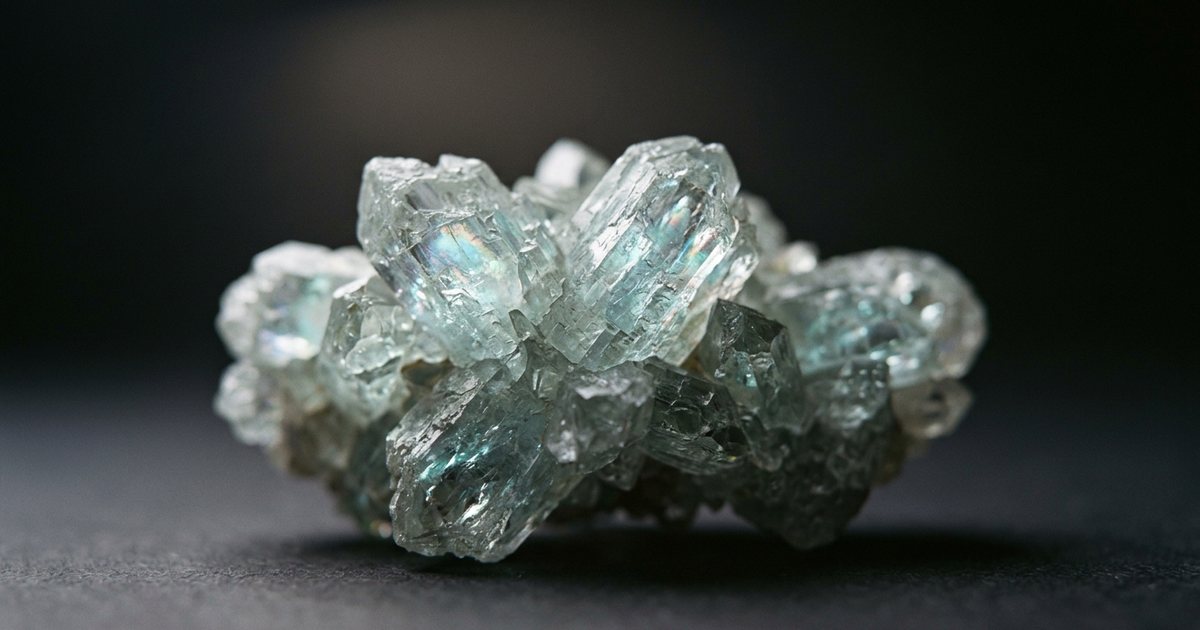
Magnesium glycinate is a form of magnesium where magnesium is bound to the amino acid glycine. This chelated form is often chosen for its perceived bioavailability and gentle effect on the digestive system compared to some other magnesium compounds.
While the specific benefits of magnesium glycinate for perimenopausal fatigue are not extensively studied, its form may offer advantages for absorption. The glycine component itself is an amino acid that plays various roles in the body, although its direct impact on energy when combined with magnesium in this context requires further research.

Magnesium and Fatigue: What the Research Suggests (Limited Evidence)
Research directly linking magnesium glycinate to perimenopausal fatigue is limited. However, some studies have explored magnesium’s potential role in conditions characterized by fatigue.
For example, low magnesium levels have been observed in some individuals experiencing chronic fatigue syndrome (CFS) [2]. Some nutritional approaches for CFS have included magnesium supplementation, though the evidence for its effectiveness in CFS is not conclusive [2]. The understanding of CFS itself is complex, with various factors potentially involved [4][5].

A review on fibromyalgia management also mentioned a neuronutritional approach, noting that magnesium may be considered in the context of nutrient deficiencies that can impact symptoms like fatigue [3]. It is important to note that these conditions are distinct from perimenopausal fatigue, and the findings cannot be directly extrapolated.
Considering Magnesium Glycinate for Energy Support
Given magnesium’s fundamental role in energy metabolism, ensuring adequate intake through diet or supplementation may be a sensible consideration for overall well-being, including energy levels during perimenopause [1].
While specific evidence for magnesium glycinate directly addressing perimenopausal fatigue is not robust, its potential to support general energy pathways and its gentle nature may make it an option for those exploring nutritional support. It is important to approach this with realistic expectations, as individual responses can vary.

References
- Magnesium in Aging, Health and Diseases. Nutrients, 2021
- Chronic fatigue syndrome (CFS): Suggestions for a nutritional treatment in the therapeutic approach. Biomedicine & pharmacotherapy = Biomedecine & pharmacotherapie, 2019
- Neuronutritional Approach to Fibromyalgia Management: A Narrative Review. Pain and therapy, 2024
- Chronic fatigue syndrome. BMJ clinical evidence, 2008
- Chronic fatigue syndrome. BMJ clinical evidence, 2011
These statements have not been evaluated by the Food and Drug Administration. This information is not intended to diagnose, treat, cure, or prevent any disease. Content is for informational purposes only and is not medical advice; consult a qualified healthcare provider before starting any supplement. As an Amazon Associate we earn from qualifying purchases.
