For women navigating midlife and menopause, managing various changes often involves considering different supplements. Magnesium glycinate is frequently discussed, and understanding its potential value in relation to its cost is a common question. This article aims to provide an evidence-based perspective on assessing the cost-effectiveness of magnesium glycinate supplements, acknowledging the current limitations in research.
When evaluating any supplement, including magnesium glycinate, it’s helpful to consider what ‘value for money’ truly means. This involves looking beyond just the price tag to potential benefits, ease of use, and individual needs. Our focus here is to provide clear, non-hyped information, drawing only from available evidence, to help you make informed decisions about magnesium glycinate cost.
What is Cost-Effectiveness in the Context of Supplements?
Cost-effectiveness, or cost-benefit analysis, is a method used to weigh the financial outlay against the potential advantages or outcomes. While often applied in broader public health interventions or specific medical treatments, its application to individual dietary supplements like magnesium glycinate is less direct and more nuanced. For example, studies have explored cost-benefit analyses for interventions such as calcium and vitamin D supplements [1], preoperative immunonutrition [2], and even recycling agricultural wastes [3]. These examples illustrate how such analyses are typically conducted in contexts where clear, measurable outcomes can be tied to specific interventions.
When considering magnesium glycinate, ‘cost-effectiveness’ for an individual often translates to whether the perceived benefits align with the financial investment. Unlike a specific medical treatment with well-defined outcomes, the ‘benefit’ of a general wellness supplement can be subjective and vary greatly from person to person. Therefore, assessing the magnesium glycinate cost requires a careful consideration of personal experience alongside general information.
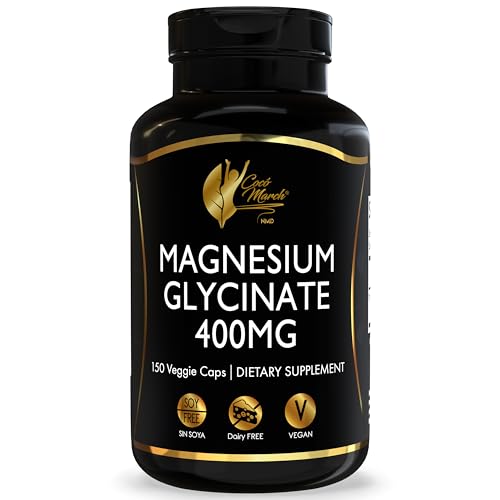
Current Evidence on Magnesium Glycinate and Cost-Benefit Analysis
It is important to state upfront that there is currently limited direct evidence specifically conducting a cost-benefit analysis for magnesium glycinate supplementation in the general population, or specifically for women in midlife and menopause. Most cost-benefit research cited in scientific literature focuses on broader health interventions or specific disease management strategies. For instance, research has evaluated the cost-benefit of nutritional interventions for infants [4] and oral nutritional interventions for frail older people who are malnourished [5]. Studies have also examined the cost-benefit of treatments for conditions like Irritable Bowel Syndrome with Diarrhea [6].
The absence of direct cost-benefit studies for magnesium glycinate does not mean it lacks value, but rather that its ‘value for money’ for general wellness support has not been formally quantified in the same way as some clinical interventions. This means that individuals evaluating the magnesium glycinate cost will need to rely on a combination of general information, personal experience, and discussions with healthcare providers.

Factors Influencing Magnesium Glycinate Cost and Perceived Value
Several factors can influence the price of magnesium glycinate supplements, including the brand, dosage, purity, form (capsule, powder), and the quantity purchased. Higher quality products, often those with third-party testing or specific certifications, may come at a higher magnesium glycinate cost. However, these factors do not automatically equate to greater personal value without individual experience.
From a personal perspective, perceived value is highly individual. For some, if a supplement appears to support their well-being in a way they find meaningful, the magnesium glycinate cost may be considered worthwhile. For others, if they do not notice a difference, even a lower-priced product may not be seen as good value. This subjective assessment is a key aspect of evaluating supplements where direct, quantifiable benefits are not always present or easily measured.
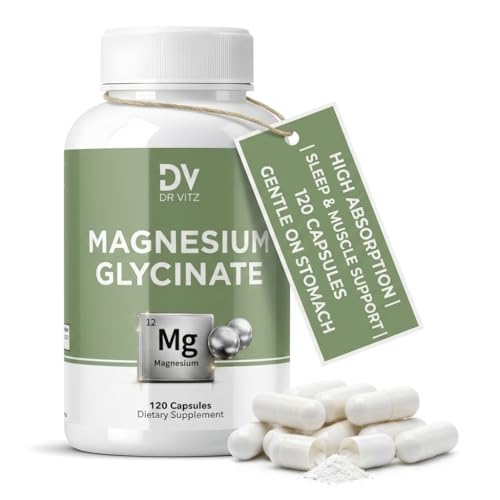
Making Informed Choices About Magnesium Glycinate Cost
Given the limited direct evidence on the cost-effectiveness of magnesium glycinate for general wellness, making an informed decision involves a few practical steps. Firstly, research different brands and product forms to understand the range of magnesium glycinate cost. Compare dosages and the number of servings per container to calculate a cost per dose, which can offer a more accurate comparison than just the total price.
Secondly, consider starting with a smaller package to assess individual response before committing to a larger, potentially more economical, purchase. This ‘trial period’ can help determine if the supplement aligns with your personal wellness goals and if you perceive sufficient value to justify the magnesium glycinate cost. Always discuss any new supplement with a healthcare provider, especially if you have existing health conditions or are taking other medications.


References
- Cost-benefit analysis of calcium and vitamin D supplements. Archives of osteoporosis, 2019
- Preoperative immunonutrition: cost-benefit analysis. JPEN. Journal of parenteral and enteral nutrition, 2005
- Cost-benefit analysis for recycling of agricultural wastes in Taiwan. Waste management (New York, N.Y.), 2021
- [Cost-benefit analysis of Ying Yang Bao (YYB) intervention in 6 to 23 months rural infants]. Wei sheng yan jiu = Journal of hygiene research, 2022
- Oral nutritional interventions in frail older people who are malnourished or at risk of malnutrition: a systematic review. Health technology assessment (Winchester, England), 2022
- Comparing Costs and Outcomes of Treatments for Irritable Bowel Syndrome With Diarrhea: Cost-Benefit Analysis. Clinical gastroenterology and hepatology : the official clinical practice journal of the American Gastroenterological Association, 2022
These statements have not been evaluated by the Food and Drug Administration. This information is not intended to diagnose, treat, cure, or prevent any disease. Content is for informational purposes only and is not medical advice; consult a qualified healthcare provider before starting any supplement. As an Amazon Associate we earn from qualifying purchases.
