Navigating perimenopause often brings a range of new or changing symptoms, and for many women, migraines can become a more prominent concern. Fluctuating hormone levels during this transitional phase may influence headache patterns, leading many to seek supportive approaches.
This article explores the current understanding of magnesium’s potential role in managing migraines, particularly in the context of perimenopause. We will review how magnesium may interact with factors relevant to headaches and discuss its use as a preventative consideration, based on available evidence.
Understanding Migraines in Perimenopause
Perimenopause is characterized by significant hormonal shifts, primarily fluctuations in estrogen. These changes can sometimes correlate with alterations in migraine frequency or intensity. While the exact mechanisms are complex, the interplay between hormones and neurological processes is an area of ongoing study.
For some individuals, migraines that were previously well-managed or infrequent may become more challenging during perimenopause, prompting a search for various supportive strategies. Considering different nutritional and lifestyle approaches can be a part of a comprehensive plan.
Magnesium and Its Connection to Headaches
Magnesium is an essential mineral involved in numerous bodily functions, including nerve transmission, muscle contraction, and energy production. Its broad roles suggest potential implications for neurological health and pain regulation. Some research has explored the relationship between magnesium levels and various types of headaches.
Research note: In a meta-analysis of randomized trials, magnesium lowered migraine attacks by 2.51, severity by 0.88 and monthly migraine days by 1.66 versus control [7].
There is an observed interrelationship between magnesium and estrogen, which has been discussed in the context of conditions such as eclampsia, migraine, and premenstrual syndrome [1]. This is a described interrelationship, not evidence that magnesium supplements steady migraines during hormonal change.
While more research is always beneficial, some studies have investigated magnesium’s impact on acute headaches. For instance, intravenous magnesium sulfate has been observed to rapidly alleviate various types of headaches [2]. That was an intravenous treatment for acute headaches, and it does not show that oral magnesium prevents migraines.
Magnesium as a Preventative Approach for Migraines
Given the various roles of magnesium in the body, its potential as a preventative measure for migraines has been an area of interest. The idea is that maintaining adequate magnesium levels might help stabilize neurological functions that, when disrupted, could contribute to migraine onset. This is particularly relevant in perimenopause, where hormonal fluctuations might make the nervous system more sensitive.
Migraine is magnesium's strongest area, but the rating is only Grade C, possibly effective
Grade C, possibly effective
A systematic review of five placebo-controlled trials in migraine patients aged 18-65 graded the evidence as Grade C. One of two top-quality (Class I) trials showed a significant reduction in migraine attacks versus placebo.
Fewer attacks versus control
In a later meta-analysis of randomized trials, magnesium reduced migraine attacks (mean difference -2.51) and monthly migraine days (mean difference -1.66) compared with control.
Of the areas people use magnesium for, migraine has the most human evidence, though it is still moderate.
Two independent reviews, shown with their own wording; neither tested glycinate specifically. Source: von Luckner et al., Headache 2018; Talandashti et al., Neurological Sciences 2025.
Embed this chart
Free to reuse on your site. Copy the code below; please keep the credit link.
No trial in the evidence reviewed tested magnesium glycinate for migraine prevention, in perimenopause or in anyone else. The trial and guideline support is for other forms, mainly citrate, and the estrogen link[1] is an interrelationship described in a review rather than a proven mechanism. Glycinate is often chosen for tolerability, which is a comfort reason, not evidence that it prevents migraines [3][4].

It’s important to approach magnesium supplementation as a supportive measure, part of a broader wellness strategy. Consistency is often key when considering nutritional support for chronic conditions like migraines.
Migraine is the area with the most human evidence for magnesium, though not for glycinate. A systematic review graded magnesium for migraine prevention as Grade C, meaning possibly effective. In a systematic review, trimagnesium dicitrate at 600 mg per day reduced attack frequency and severity versus placebo, while magnesium aspartate did not beat placebo and its trial was stopped early. The Canadian Headache Society gave magnesium citrate a strong recommendation for migraine prevention [5][4][3].
Choosing Magnesium Glycinate for Migraine Support
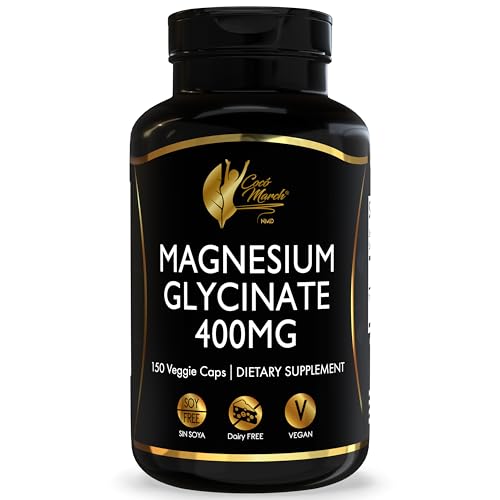
Magnesium glycinate is a chelated form of magnesium, meaning magnesium is bound to the amino acid glycine. This binding is thought to enhance absorption and may be gentler on the digestive system compared to other forms of magnesium, which can sometimes cause loose stools.
For individuals considering magnesium for long-term, preventative support, especially for concerns like magnesium migraines perimenopause, the tolerability of the supplement is an important factor. A form that is well-absorbed and less likely to cause discomfort may encourage consistent use.

While the specific evidence for magnesium glycinate’s efficacy in perimenopausal migraine prevention is still developing, the general understanding of magnesium’s role in neurological health and a reported interrelationship with estrogen[1] provides a basis for its consideration, not proof of benefit. As with any supplement, individual responses can vary.
Integrating Magnesium into Your Perimenopause Wellness Plan
Adopting a holistic approach to managing migraines during perimenopause often involves multiple strategies. This can include dietary considerations, stress management techniques, regular physical activity, and ensuring adequate sleep. Nutritional supplementation, such as magnesium, can be one component of this comprehensive plan.
When considering magnesium for migraine support, it’s advisable to discuss appropriate dosages with a healthcare professional. They can help determine if it’s a suitable option for your individual circumstances and ensure it complements any other medications or supplements you may be taking.
The usual migraine-prevention magnesium dose exceeds the upper limit for supplements, so NIH says it should be used only under health care provider supervision. In migraine trials the most common side effects were gastrointestinal, with diarrhea in up to 18.6% of participants [6][4].
Monitoring your symptoms and how your body responds to magnesium supplementation can also provide valuable insights. Keeping a headache diary might help track changes in frequency, intensity, and potential triggers over time.


References
- Interrelationship of magnesium and estrogen in cardiovascular and bone disorders, eclampsia, migraine and premenstrual syndrome. Journal of the American College of Nutrition, 1993
- Intravenous magnesium sulfate rapidly alleviates headaches of various types. Headache, 1996
- Silberstein SD Preventive Migraine Treatment. Continuum (Minneapolis, Minn.) (2015). PMID 26252585
- Habiblah Ayomide Jagunmolu et al. Efficacy of magnesium supplementation in the prophylaxis of migraine: a systematic review of clinical trials comparing oral magnesium to placebo or standard care. The Egyptian Journal of Neurology Psychiatry and Neurosurgery (2026). doi:10.1186/s41983-026-01150-z
- von Luckner A et al. Magnesium in Migraine Prophylaxis-Is There an Evidence-Based Rationale? A Systematic Review. Headache (2018). PMID 29131326
- NIH Office of Dietary Supplements Magnesium: Fact Sheet for Health Professionals. NIH Office of Dietary Supplements (2026). source
- Talandashti MK et al. Effects of selected dietary supplements on migraine prophylaxis: A systematic review and dose-response meta-analysis of randomized controlled trials. Neurological sciences : official journal of the Italian Neurological Society and of the Italian Society of Clinical Neurophysiology (2025). PMID 39404918
These statements have not been evaluated by the Food and Drug Administration. This information is not intended to diagnose, treat, cure, or prevent any disease. Content is for informational purposes only and is not medical advice; consult a qualified healthcare provider before starting any supplement. As an Amazon Associate we earn from qualifying purchases.
