Navigating the shifts of perimenopause can bring new or intensified experiences with premenstrual syndrome (PMS) and premenstrual dysphoric disorder (PMDD). These conditions are characterized by a range of physical and emotional changes that typically occur in the days or weeks leading up to menstruation, potentially impacting daily life.
Many women seek ways to support their well-being during this time. Nutritional approaches, including specific mineral supplementation, are sometimes explored as part of a broader strategy to manage these symptoms. Magnesium is one such mineral that has garnered interest for its potential role in supporting women’s health.
Understanding PMS and PMDD in Perimenopause
PMS encompasses a variety of symptoms, including mood swings, irritability, fatigue, breast tenderness, and bloating, which typically resolve shortly after menstruation begins. PMDD is considered a more severe form of PMS, involving pronounced mood disturbances such as intense sadness, anxiety, or anger that significantly interfere with daily functioning [1].
Perimenopause, the transitional phase leading to menopause, often involves fluctuating hormone levels, particularly estrogen and progesterone. These hormonal shifts can sometimes exacerbate existing PMS or PMDD symptoms or lead to their emergence in women who haven’t previously experienced them. Understanding the interplay between hormonal changes and these premenstrual conditions is a key aspect of finding supportive strategies.
While the exact mechanisms are complex, nutritional factors are increasingly being recognized for their potential influence on the severity and experience of premenstrual symptoms. A balanced diet and adequate intake of certain micronutrients are considered important for overall health during this phase [2].
Magnesium’s Role in Women’s Health
Magnesium is an essential mineral involved in over 300 biochemical reactions in the body. It plays a role in nerve function, muscle contraction, blood glucose control, and blood pressure regulation. For women, magnesium is also important for bone health, with implications for bone metabolism that are particularly relevant during perimenopause and beyond [3].
Some research suggests a connection between magnesium levels and the experience of premenstrual symptoms. Deficiencies in certain nutrients, including magnesium, have been explored as potential contributors to the severity of PMS and PMDD symptoms. Addressing these nutritional aspects might offer a supportive pathway for some individuals [2].
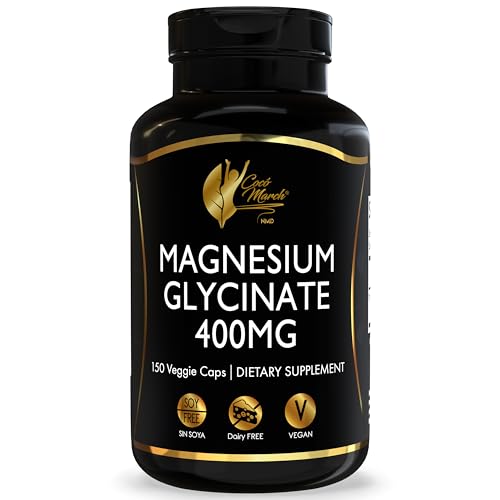
The way magnesium interacts with the body’s systems, including those involved in mood regulation and muscle function, makes it a subject of interest in discussions around premenstrual symptom support. While not a definitive solution, ensuring adequate magnesium intake is a foundational aspect of general nutritional well-being.
Magnesium and PMS/PMDD Symptoms: What the Evidence Suggests
Several systematic reviews have examined the potential impact of nutritional interventions, including magnesium, on premenstrual symptoms. One review noted that magnesium supplementation has been among the nutritional strategies explored for its potential to support women experiencing premenstrual syndrome [4].
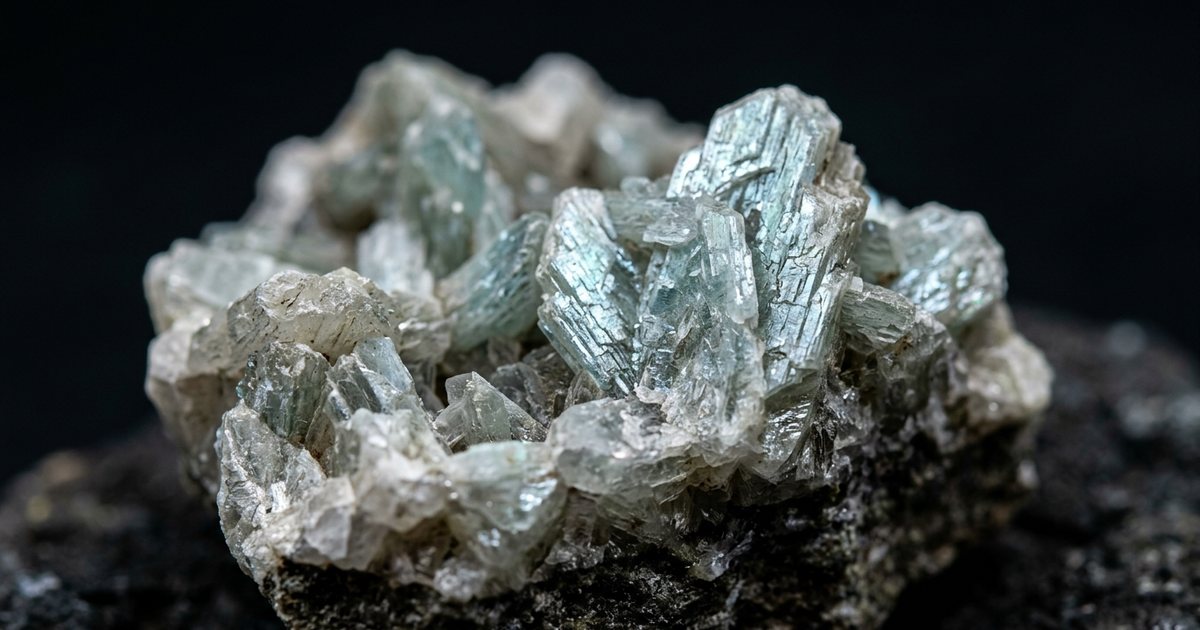
Another systematic review, focusing on nutritional interventions for the psychological symptoms of PMS, indicated that magnesium is among the nutrients studied for its potential effects. While the body of evidence continues to grow, these reviews highlight magnesium as a nutrient of interest in this area [5].
Regarding PMDD, some earlier research has explored magnesium’s potential. For instance, a study investigating intravenous magnesium infusion in women with PMDD observed effects on magnesium retention and mood [6]. It’s important to note that research in this area can be varied, and findings may not always be consistent across all studies. More comprehensive research is often needed to fully understand the extent of magnesium’s impact on these complex conditions.
While some studies suggest a potential benefit for certain symptoms, it’s crucial to approach these findings with a balanced perspective. Magnesium is not presented as a standalone solution, but rather as a potential component of a broader approach to supporting well-being during perimenopause and when experiencing premenstrual symptoms.
Why Magnesium Glycinate?
Magnesium glycinate is a form of magnesium where magnesium is bound to the amino acid glycine. This chelated form is often chosen for its reported bioavailability and gentleness on the digestive system compared to some other forms of magnesium.
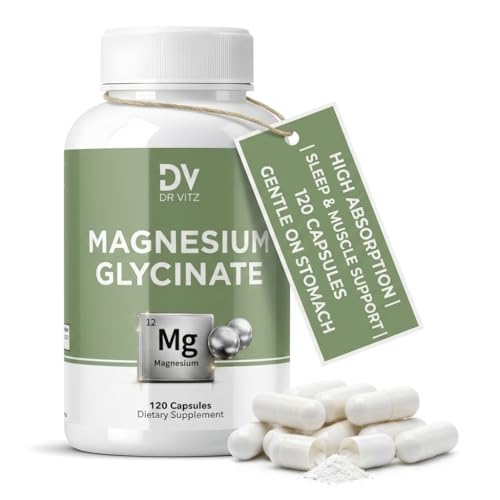
The presence of glycine may also offer additional considerations. Glycine is an amino acid that functions as an inhibitory neurotransmitter, and it has been explored for its potential role in promoting relaxation and supporting sleep. While the primary focus here is on magnesium’s potential, the combination with glycine may be appealing to some individuals seeking broad support.
When considering magnesium supplementation for general well-being, the form of magnesium can be a factor in how well it is absorbed and tolerated. Magnesium glycinate is frequently discussed in contexts where digestive comfort and efficient absorption are priorities.
Integrating Magnesium into a Holistic Approach
For women navigating perimenopause and experiencing PMS or PMDD symptoms, a holistic approach is often beneficial. This can include dietary modifications, regular physical activity, stress management techniques, and adequate sleep. Nutritional support, such as ensuring sufficient magnesium intake, can be a complementary part of this overall strategy.
While some nutritional interventions, including certain herbs like Vitex agnus-castus, have also been systematically reviewed for female reproductive disorders [7], magnesium offers a foundational mineral approach. It’s important to consider individual needs and preferences when exploring different supportive measures.
The goal is to support the body’s natural functions and help manage symptoms rather than relying on a single intervention. Discussing any significant changes in diet or supplement use with a qualified healthcare professional is always advisable, especially during the dynamic phase of perimenopause.

References
- Current management of premenstrual syndrome and premenstrual dysphoric disorder. Current psychiatry reports, 2001
- Impact of nutritional diet therapy on premenstrual syndrome. Frontiers in nutrition, 2023
- CRITICAL IMPLICATIONS OF FEMALE BONE METABOLISM IN ORTHOPEDICS: STATE OF THE ART. Journal of ISAKOS : joint disorders & orthopaedic sports medicine, 2026
- Herbs, vitamins and minerals in the treatment of premenstrual syndrome: a systematic review. The Canadian journal of clinical pharmacology = Journal canadien de pharmacologie clinique, 2009
- Effect of nutritional interventions on the psychological symptoms of premenstrual syndrome in women of reproductive age: a systematic review of randomized controlled trials. Nutrition reviews, 2025
- Magnesium (mg) retention and mood effects after intravenous mg infusion in premenstrual dysphoric disorder. Biological psychiatry, 2006
- Vitex agnus-castus extracts for female reproductive disorders: a systematic review of clinical trials. Planta medica, 2013
These statements have not been evaluated by the Food and Drug Administration. This information is not intended to diagnose, treat, cure, or prevent any disease. Content is for informational purposes only and is not medical advice; consult a qualified healthcare provider before starting any supplement. As an Amazon Associate we earn from qualifying purchases.
