Navigating midlife and perimenopause often brings new challenges, and for many women, persistent fatigue can be a significant concern. This type of tiredness is more than just feeling sleepy; it can impact daily life and overall well-being. Understanding potential nutritional support, such as magnesium, can be a valuable part of managing these changes.
Magnesium is an essential mineral involved in numerous bodily processes, including those related to energy metabolism. This article will explore the current understanding of how magnesium contributes to energy and its potential relevance for women experiencing fatigue during perimenopause, drawing on available scientific evidence.
Magnesium’s Fundamental Role in Energy Production
At the core of cellular energy lies adenosine triphosphate (ATP), often referred to as the ‘energy currency’ of the body. Magnesium plays a critical role in the synthesis and utilization of ATP. For instance, magnesium ions are essential for the activity of enzymes that process ATP, such as those involved in unwinding DNA or binding ATP in kinase domains [6][9]. Without sufficient magnesium, these fundamental energy-related processes may be less efficient.
The interaction between magnesium and ATP is complex. Research indicates that specific concentrations of magnesium are necessary for optimal ATP function, and both too little and too much ATP can influence cellular processes like protein synthesis [1]. Magnesium’s involvement extends to mitochondrial function, the ‘powerhouses’ of our cells, where ATP is primarily generated . These intricate roles highlight magnesium’s foundational importance in maintaining cellular energy levels.
While direct studies on magnesium’s impact on human energy during perimenopause are still developing, its established role in ATP metabolism provides a biological basis for exploring its potential influence on energy levels. The efficiency of these fundamental energy pathways can affect how the body produces and uses energy throughout the day.

Understanding Perimenopausal Fatigue
Fatigue during perimenopause is a common experience, often described as a pervasive lack of energy that is not always relieved by rest. It can manifest alongside other perimenopausal symptoms, such as sleep disturbances, mood changes, and hot flashes. The exact mechanisms behind perimenopausal fatigue are complex and likely involve hormonal fluctuations, changes in sleep patterns, and the body’s adaptation to new physiological states.
While there isn’t a single cause, chronic fatigue can significantly impact quality of life. Conditions like Chronic Fatigue Syndrome (CFS), though distinct from typical perimenopausal fatigue, share symptoms of profound, unexplained tiredness [7][8]. Some research exploring nutritional approaches to conditions with fatigue, such as fibromyalgia, has considered various micronutrients, including magnesium, as part of a broader management strategy [3]. This suggests a general interest in the role of nutrition in managing fatigue-related symptoms.
Magnesium and Cellular Respiration
Beyond its direct interaction with ATP, magnesium is also important for cellular respiration, the process by which cells extract energy from nutrients. This complex process involves multiple steps, many of which rely on enzymes that are magnesium-dependent. For instance, research using high-resolution fluoro-respirometry to study muscle cells demonstrates the intricate nature of cellular energy production [4]. The efficiency of these metabolic pathways directly influences the overall energy output of the body.
Magnesium’s role in various metabolic pathways means that an adequate supply is necessary for the body to efficiently convert food into usable energy. While specific studies directly linking magnesium supplementation to improved cellular respiration in perimenopausal women experiencing fatigue are limited, the foundational biochemical roles of magnesium suggest its importance in maintaining optimal energy metabolism as a whole. Ensuring sufficient magnesium intake may support the body’s natural energy production processes.
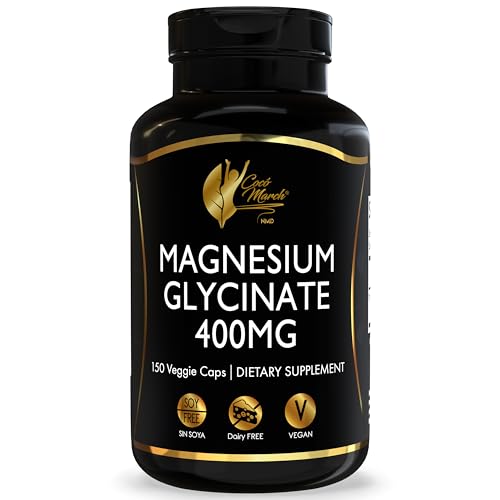
Magnesium Glycinate: Potential Benefits for Midlife Women
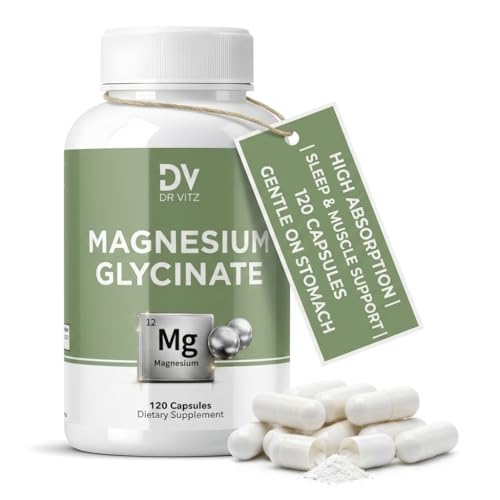
Magnesium glycinate is a form of magnesium that is often favored due to its good absorption profile and potential for digestive comfort. While the general benefits of magnesium for energy metabolism are well-documented, the specific advantages of magnesium glycinate in addressing perimenopausal fatigue are still an area of ongoing research. The ‘glycinate’ part refers to glycine, an amino acid that can also have calming properties, which may indirectly support energy levels by improving sleep quality, a common issue during perimenopause.
Adequate magnesium levels are considered important for overall health, especially as we age. Research highlights the significance of magnesium in aging, health, and various conditions, underscoring its broad physiological impact [5]. For women in midlife experiencing fatigue, ensuring optimal magnesium status through a well-absorbed form like magnesium glycinate may be a supportive measure, contributing to the body’s ability to maintain energy production and other vital functions.

References
- When Too Much ATP Is Bad for Protein Synthesis. Journal of molecular biology, 2015
- Retracted. Not used as evidence on this page. Lysophosphatidylcholine induces adenosine release from macrophages via TRPM7-mediated mitochondrial activation. Purinergic signalling, 2022
- Neuronutritional Approach to Fibromyalgia Management: A Narrative Review. Pain and therapy, 2024
- High-Resolution Fluoro-Respirometry of Equine Skeletal Muscle. Journal of visualized experiments : JoVE, 2023
- Magnesium in Aging, Health and Diseases. Nutrients, 2021
- Role of divalent metal cations in ATP hydrolysis catalyzed by the hepatitis C virus NS3 helicase: magnesium provides a bridge for ATP to fuel unwinding. Journal of molecular biology, 2007
- Chronic fatigue syndrome. BMJ clinical evidence, 2008
- Chronic fatigue syndrome. BMJ clinical evidence, 2011
- A second magnesium ion is critical for ATP binding in the kinase domain of the oncoprotein v-Fps. Biochemistry, 1998
These statements have not been evaluated by the Food and Drug Administration. This information is not intended to diagnose, treat, cure, or prevent any disease. Content is for informational purposes only and is not medical advice; consult a qualified healthcare provider before starting any supplement. As an Amazon Associate we earn from qualifying purchases.
