As women navigate midlife and menopause, various physiological changes can impact overall well-being, including the appearance and health of hair, skin, and nails. Many seek ways to support these aspects of health through nutritional choices.
Magnesium is an essential mineral involved in numerous bodily functions. While its role in bone health and muscle function is well-established, its potential contributions to the health of hair, skin, and nails are an area of ongoing interest, though research is currently limited.
Understanding Magnesium’s Role in the Body
Magnesium is a vital mineral that participates in hundreds of biochemical reactions throughout the body. These roles include supporting muscle and nerve function, blood glucose control, and blood pressure regulation. It is also necessary for energy production, protein synthesis, and bone development.
Given its widespread involvement in cellular processes, it’s plausible that adequate magnesium levels could indirectly support the health of rapidly regenerating tissues like hair, skin, and nails. However, direct evidence specifically linking magnesium supplementation to improvements in these areas is still emerging and limited.
Magnesium for Skin Health: Emerging Concepts
The skin is the body’s largest organ and acts as a protective barrier. Maintaining its integrity and function is crucial. Research suggests that various minerals and trace elements play key roles in skin health and may help defend against certain skin disorders [1]. While magnesium is a fundamental mineral, specific studies directly investigating magnesium glycinate’s impact on skin appearance or specific skin conditions in midlife women are scarce.
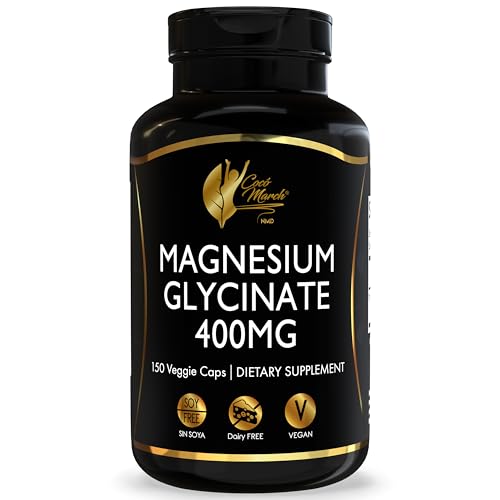
Some research highlights the importance of nutritional interventions for skin health, such as in preventing and addressing pressure ulcers, though these studies often focus on a broader range of nutrients rather than magnesium alone [2]. The physiological mechanisms determining eccrine sweat composition, which can impact skin moisture, also involve various electrolytes, but the direct impact of magnesium on skin hydration or elasticity in midlife is not well-documented [3].
Hair Health and Magnesium: What the Evidence Suggests
Hair is primarily composed of protein and its growth is influenced by a complex interplay of genetics, hormones, and nutrition. While some believe magnesium might play a role in hair health, direct scientific evidence specifically linking magnesium supplementation to hair growth or strength in midlife women is limited. Research has explored mineral concentrations in hair as indicators of overall mineral status in various contexts [4]. For example, studies have measured levels of calcium and magnesium, along with other trace elements, in the scalp hair of children [5].
However, measuring minerals in hair does not directly establish a causal link between magnesium intake and hair health outcomes in adults, particularly during midlife. While other compounds like arginine silicate inositol complex and biotin have shown effects on hair and nail growth in rodent models [6], similar direct evidence for magnesium glycinate in human hair health is not currently available from the provided research.
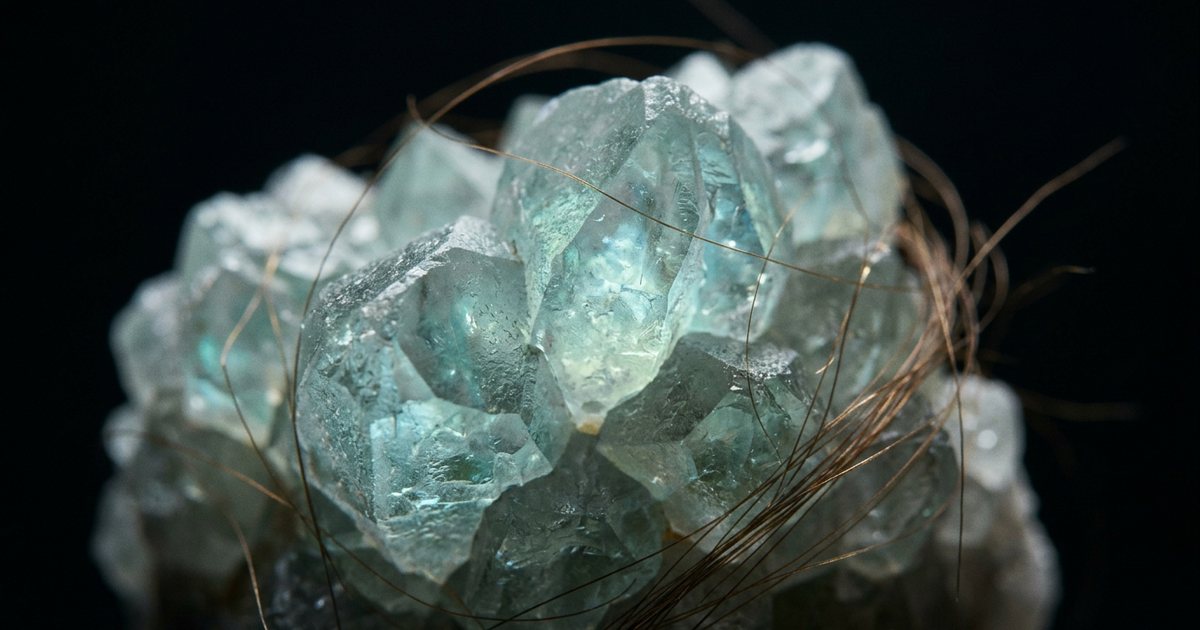
Nail Strength and Magnesium: Limited Research
Nails are composed of keratin and their health can be an indicator of overall nutritional status. Brittle or weak nails are a common concern for many women in midlife. Similar to hair and skin, the role of magnesium in promoting strong nails is often discussed anecdotally, but robust scientific studies are limited.
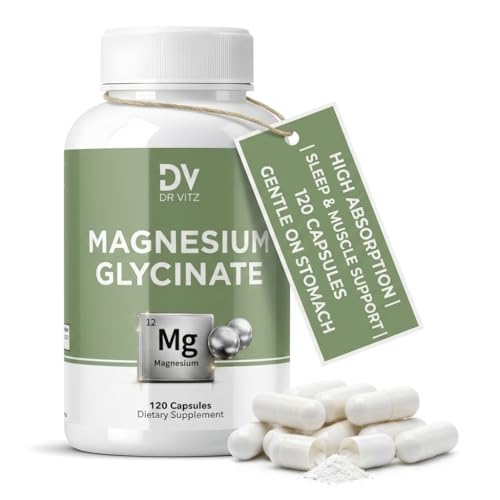
While studies in animal health have assessed the net requirements of minerals like magnesium for the growth of hair lambs [7], this research does not directly translate to human nail health. The provided evidence does not contain specific studies on magnesium glycinate and its direct effects on nail strength, growth, or appearance in midlife women.
Magnesium Glycinate: A Gentle Form
Magnesium glycinate is a form of magnesium that is often favored for its reported bioavailability and gentleness on the digestive system compared to some other forms of magnesium. This means it may be absorbed more effectively without causing significant gastrointestinal upset for some individuals.
While the specific benefits of magnesium glycinate for hair, skin, and nails are not extensively documented in the provided research, choosing a well-tolerated form of magnesium can be important for consistent intake if one is seeking to support overall magnesium levels.


References
- Minerals and Trace Elements: Key Protectors of Skin Health and Defenders against Skin Disorders. Current medicinal chemistry, 2025
- Nutritional interventions for preventing and treating pressure ulcers. The Cochrane database of systematic reviews, 2024
- Physiological mechanisms determining eccrine sweat composition. European journal of applied physiology, 2020
- Mineral concentrations in hair as indicators of mineral status: a review. Journal of animal science, 1982
- The levels of calcium and magnesium, and of selected trace elements, in whole blood and scalp hair of children with growth retardation. Iranian journal of pediatrics, 2013
- Effects of a Combination of Arginine Silicate Inositol Complex and a Novel Form of Biotin on Hair and Nail Growth in a Rodent Model. Biological trace element research, 2023
- Net requirements of calcium, phosphorus, magnesium, and sulphur for growth of non-descript breed hair lambs of different sex classes in the Brazilian semiarid conditions. Tropical animal health and production, 2016
These statements have not been evaluated by the Food and Drug Administration. This information is not intended to diagnose, treat, cure, or prevent any disease. Content is for informational purposes only and is not medical advice; consult a qualified healthcare provider before starting any supplement. As an Amazon Associate we earn from qualifying purchases.
