For women navigating midlife and menopause, understanding how various nutrients interact can be a key aspect of managing well-being. Magnesium, particularly in its glycinate form, is often considered for its potential role in various bodily functions. When considering magnesium supplementation, it’s natural to wonder how it might interact with other supplements someone might be taking.
This article explores the concept of “magnesium supplement stacking” – combining magnesium with other vitamins and minerals. We’ll look at potential synergistic relationships supported by current evidence, as well as important cautions to consider, offering an evidence-based perspective for informed decisions.
Magnesium and Vitamin D: A Closely Linked Relationship
One of the most frequently discussed combinations is magnesium with vitamin D. Research suggests that magnesium plays a crucial role in the body’s utilization of vitamin D [1]. This means that adequate magnesium levels may be important for vitamin D to function effectively within the body. Some research indicates that magnesium supplementation may be beneficial in cases of vitamin D deficiency [1].
The interaction between these two nutrients extends to various bodily processes. For instance, both vitamin D and magnesium have been discussed in relation to conditions like hyperinsulinemia and thrombosis [2]. Their combined roles are also being explored in areas such as gut microbiome health, with magnesium treatment potentially influencing gut microbes that synthesize vitamin D [3]. Furthermore, the interplay of vitamin D, magnesium, and calcium has been examined in relation to colorectal cancer recurrence and overall mortality [4]. This interconnectedness highlights why individuals considering vitamin D supplementation might also want to consider their magnesium intake.
The importance of both vitamin D and magnesium is also recognized in broader health contexts, including for athletes [5]. This suggests a fundamental role for both nutrients in maintaining various physiological functions. When considering supplementation, understanding this relationship can help in making more informed choices about nutrient intake.
Magnesium and Calcium: Balancing Essential Minerals
Calcium is another mineral often considered alongside magnesium. While both are vital for bone health and numerous other bodily functions, their balance is important. Magnesium is involved in the regulation of calcium in the body. Some research suggests that the interaction between magnesium, calcium, and vitamin D is relevant to health outcomes, such as in relation to colorectal cancer recurrence [4].
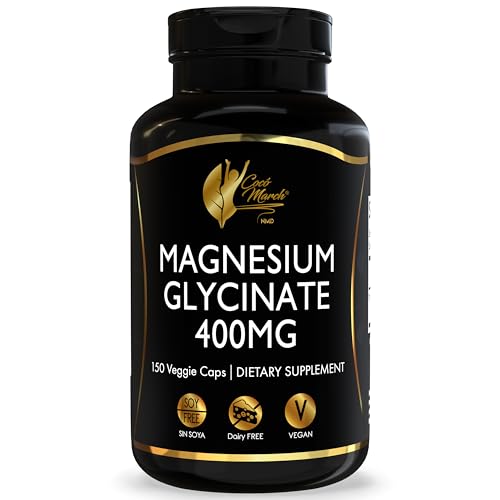
For women in midlife and menopause, maintaining bone mineral density is often a concern, and both calcium and magnesium contribute to bone health. However, it’s generally understood that calcium intake should be balanced with magnesium intake. An imbalance, particularly excessive calcium without sufficient magnesium, could potentially impact various bodily systems. Therefore, when considering calcium supplements, it may be prudent to also assess magnesium intake to support a balanced mineral profile.

Magnesium and B Vitamins: Supporting Nervous System Function
While direct synergistic studies on magnesium glycinate specifically with all B vitamins are less extensive in the provided evidence, magnesium is known to be involved in numerous enzymatic reactions throughout the body, many of which also involve B vitamins. For example, some dietary interventions and supplements, including magnesium, have been reviewed for their potential role in managing conditions like Attention-Deficit/Hyperactivity Disorder (ADHD), where nervous system support is a key consideration [6].
The B vitamins, particularly B6, are often discussed in relation to nervous system health and energy metabolism, areas where magnesium also plays a role. While not directly detailed in the provided evidence for specific combined effects, the general understanding of these nutrients’ individual contributions to cellular energy production and nerve function suggests a complementary relationship. Individuals exploring nutritional support for stress or cognitive function might find themselves considering both magnesium and B vitamins, recognizing their independent and potentially overlapping roles in these systems.
Magnesium and Thyroid Health: An Indirect Connection
Thyroid function is critical for overall metabolic health, particularly for women in midlife and menopause. While the provided evidence does not detail direct interactions between magnesium glycinate and thyroid medications, it does highlight the broader role of nutrition in thyroid function. Trace elements, including some minerals, are known to be important for thyroid health [7].
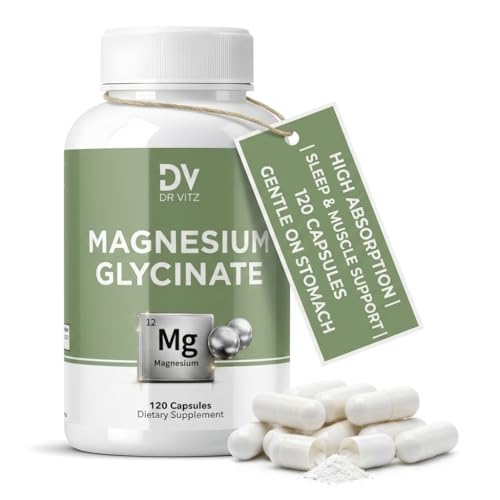
More broadly, nutrient intake can influence thyroid function [8]. While magnesium’s direct role in thyroid hormone production is not explicitly detailed in the provided studies, its involvement in numerous enzymatic processes means that adequate magnesium status is generally supportive of overall physiological well-being, which indirectly supports optimal organ function. Individuals with thyroid concerns should always discuss their supplement regimen with a healthcare provider, especially if taking thyroid hormone medication, to ensure no potential interactions or contraindications.
Cautions and Considerations for Magnesium Supplement Stacking
While the potential for beneficial interactions between magnesium and other nutrients exists, it is crucial to approach magnesium supplement stacking with care. The body’s intricate systems mean that nutrient interactions can be complex. For instance, the DASH diet, which is rich in magnesium and other minerals, has been explored as a preventive strategy for sarcopenia, highlighting the importance of a balanced dietary intake rather than isolated supplements [9].
It’s important to consider that nutrient needs can vary significantly based on individual factors, including dietary patterns. For example, individuals consuming plant-based diets may have different nutrient intakes and statuses compared to meat-eaters, which could influence their overall supplement needs [10]. Therefore, blanket recommendations for stacking are generally not advisable. Always consider your unique dietary habits and health status.

Before combining multiple supplements, especially if you are taking any medications, it is always recommended to consult with a healthcare professional. They can provide personalized advice based on your health profile and help identify any potential contraindications or imbalances. Self-prescribing multiple supplements without professional guidance may not be the most effective or safest approach to nutritional support.

References
- Magnesium Supplementation in Vitamin D Deficiency. American journal of therapeutics, 2019
- Relationships between hyperinsulinaemia, magnesium, vitamin D, thrombosis and COVID-19: rationale for clinical management. Open heart, 2020
- Magnesium treatment increases gut microbiome synthesizing vitamin D and inhibiting colorectal cancer: results from a double-blind precision-based randomized placebo-controlled trial. The American journal of clinical nutrition, 2025
- Vitamin D, magnesium, calcium, and their interaction in relation to colorectal cancer recurrence and all-cause mortality. The American journal of clinical nutrition, 2020
- The Importance of Vitamin D and Magnesium in Athletes. Nutrients, 2025
- Dietary Interventions and Supplements for Managing Attention-Deficit/Hyperactivity Disorder (ADHD): A Systematic Review of Efficacy and Recommendations. Cureus, 2024
- Trace elements and the thyroid. Frontiers in endocrinology, 2022
- The Role of Nutrition on Thyroid Function. Nutrients, 2024
- DASH diet as a preventive strategy for sarcopenia: integrated observational and mendelian randomization analyses in US adults. Nutrition & metabolism, 2025
- Nutrient Intake and Status in Adults Consuming Plant-Based Diets Compared to Meat-Eaters: A Systematic Review. Nutrients, 2021
These statements have not been evaluated by the Food and Drug Administration. This information is not intended to diagnose, treat, cure, or prevent any disease. Content is for informational purposes only and is not medical advice; consult a qualified healthcare provider before starting any supplement. As an Amazon Associate we earn from qualifying purchases.
